


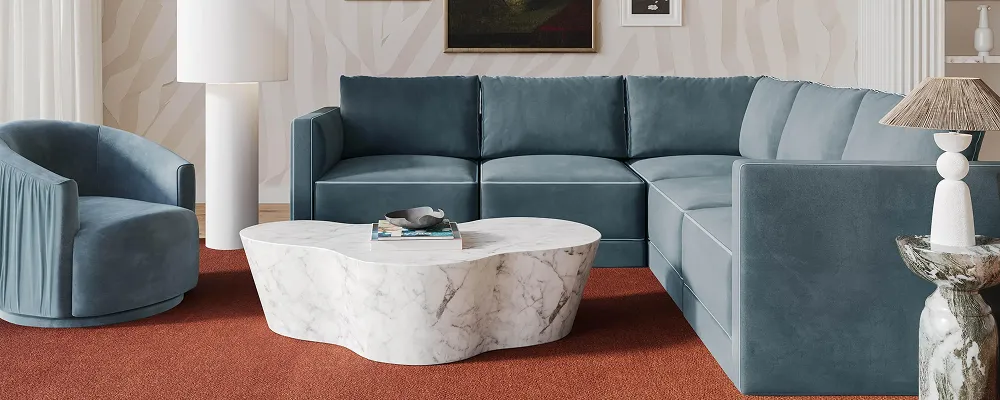
Sectional Couch Dimensions Explained
Choosing the right sectional couch means more than just picking a style you love —it also involves understanding how it fits into your space. Sectionals come in a wide variety of shapes and sizes, so knowing how to measure and interpret their dimensions is essential, whether you're furnishing a cozy apartment or a spacious living room. As a general guide, L-shaped sectionals work well in rooms around 12′ x 12′ or larger, while U-shaped sectionals typically require 15′ x 18′ or more to fit comfortably. Read on to learn about the key measurements and configurations, as well as some tips for measuring and picking the right size.
Key Takeaways
- Sectional couch dimensions vary by size, typically ranging from 75″ to 156″+ wide depending on configuration.
- Standard sectionals are usually 95″–115″ wide, while larger models can exceed 120″–150″+.
- Typical sectional depth ranges from 35″–42″, with chaise extensions reaching 60″–72″+.
- Seat depth typically falls between 20″–24″, while seat height is usually 17″–20″.
- Always leave 30″–36″ of clearance around your sectional for comfortable movement.
- The right size depends on your room layout, sectional configuration, and how the space is used.
Sectional Couch Size Guide by Category
Sectional couches are often grouped into size categories to help match your space and seating needs.
Small Sectionals (Apartment Size)
- Width: 75″–95″
- Best for apartments or compact living rooms
Standard Sectionals
- Width: 95″–115″
- Ideal for most average-sized living rooms
Large Sectionals
- Width: 120″–156″+
- Best for large rooms or open-concept spaces
These ranges can vary based on configuration, but they provide a helpful starting point when comparing sectional couch dimensions.
What Are My Sectional Couch Dimensions?
When measuring or shopping for a sectional, there are several key dimensions to consider:
-
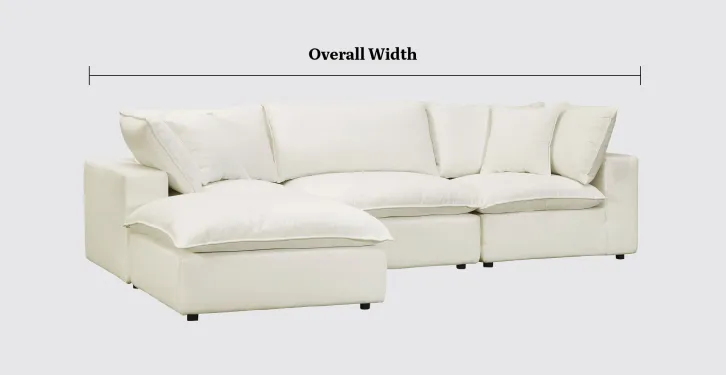
Overall width: The total distance from one end of the sectional to the other, often the longest measurement.
-
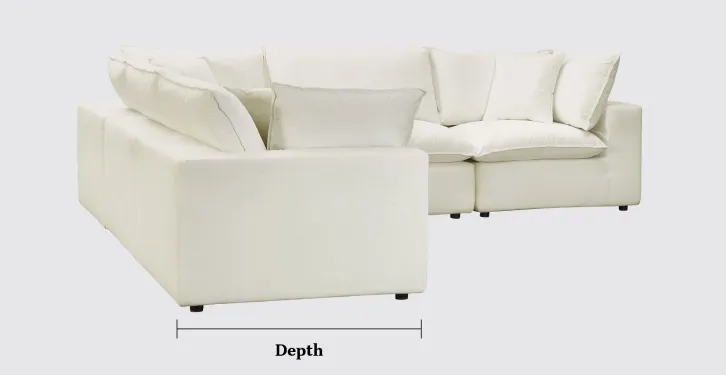
Depth: How far the sectional extends from the back to the front—important for walkways and room layout.
-
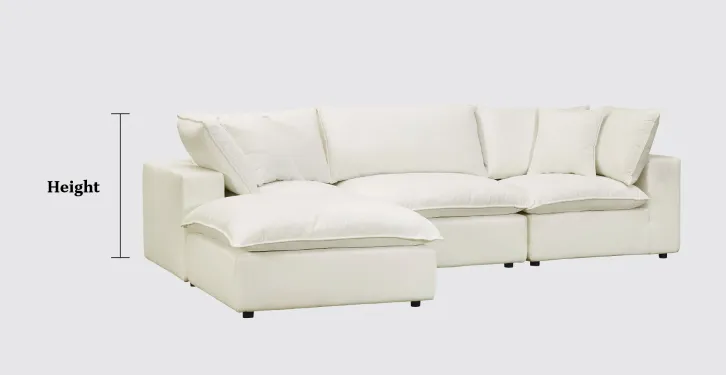
Height: The vertical distance from the floor to the highest point, usually the backrest.
-
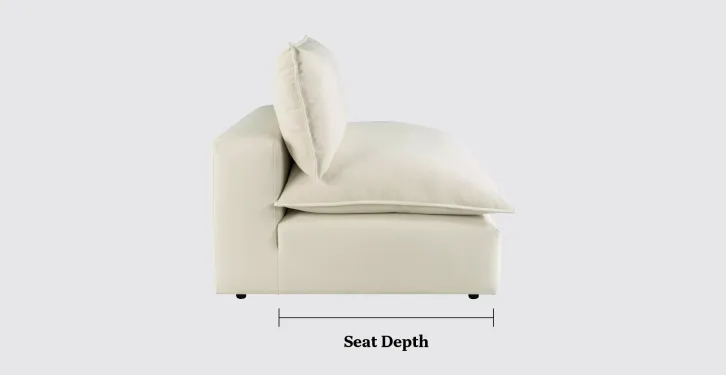
Seat depth: From the front edge of the seat to the back cushion—a key factor in comfort.
-
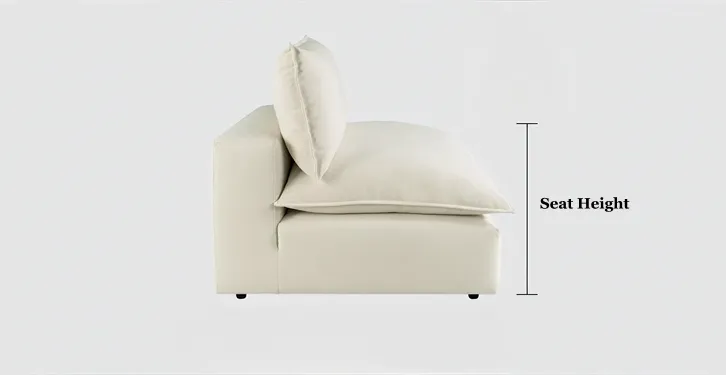
Seat height: The distance from the floor to the top of the seat cushion—typically 17″–20″ for most sectionals.
-
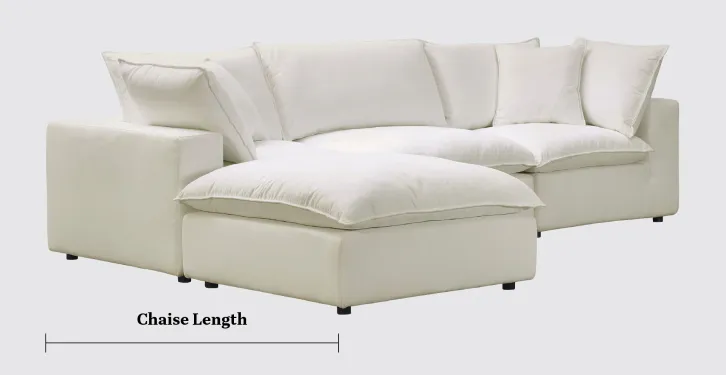
Chaise length: For sectionals with a chaise lounge, this is the length from the back to the end of the extended seat.
-
Sectionals also come in different configurations, and each one influences the dimensions—an L-shaped sectional and U-shaped sectional will fit in your room differently.
- Width: Measure from the outside edge of one arm to the outside edge of the opposite arm (or end piece). This gives you the overall span of the sectional.
- Height: Measure from the floor to the highest point of the backrest. If cushions or headrests stick up higher, include those in your measurement.
- Seat depth: Start from the front edge of the seat cushion and measure straight back to where the backrest begins. This tells you how deep the seating area is—important for comfort.
- Seat width: Measure the seating area from side to side, between the arms (or to the corner if it's armless in the middle). For sectionals with multiple seats, you can also measure each seat individually.
- Corner width/depth: For sectionals with a corner wedge, measure from the outer back corner to each end. Corners often extend further than the straight sections, so don’t skip this.
- Chaise length: Measure from the back of the seat (where it meets the backrest) to the end of the chaise lounge portion.
- Chaise width: Measure across the chaise from side to side—this is often narrower than the main seating area.
Popular Sectional Configurations
There are a few sectional configurations that you can choose from, including:
-
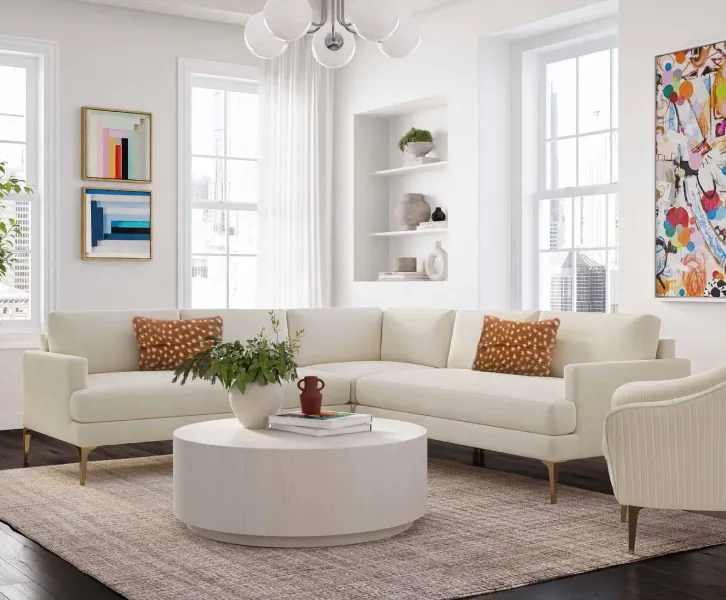
L Shape
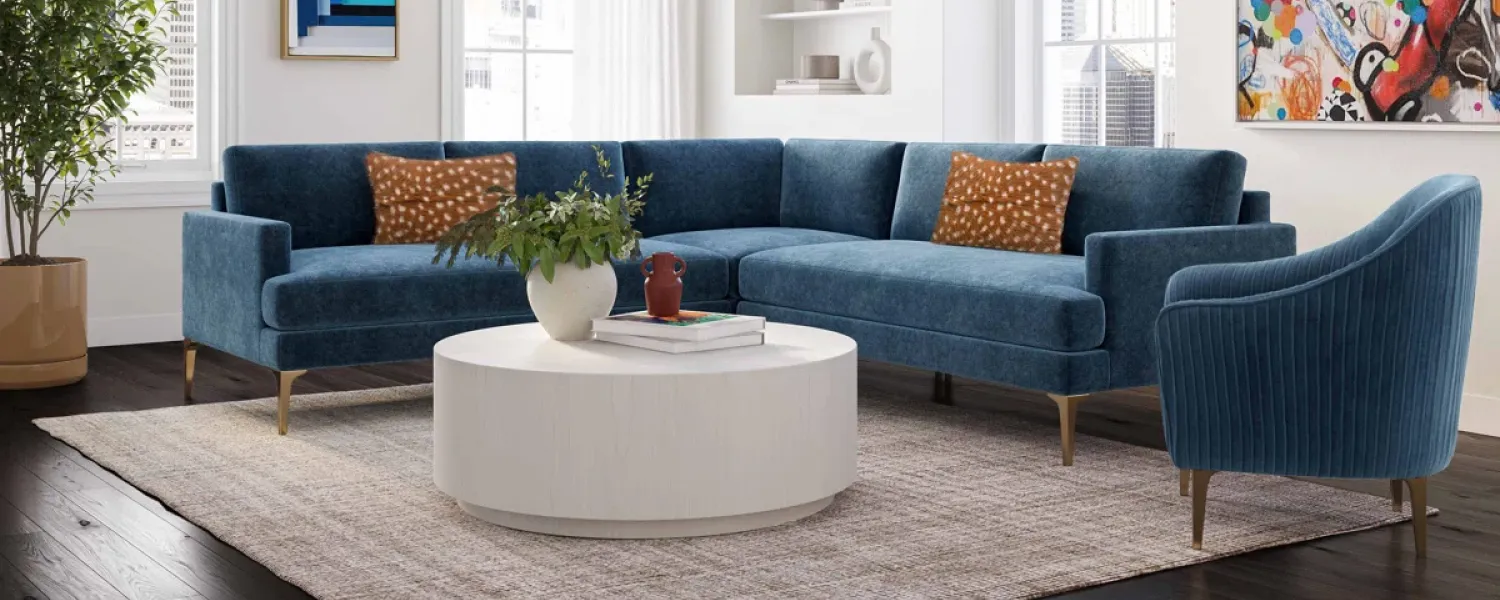
An L-shape sectional features two connected seating areas that form a right angle, ideal for corners or open-plan living rooms. For example, the Serena Cream Modular Sectional is a sleek and modern L-shaped sectional with plush velvet upholstery and elegant brass legs.
-
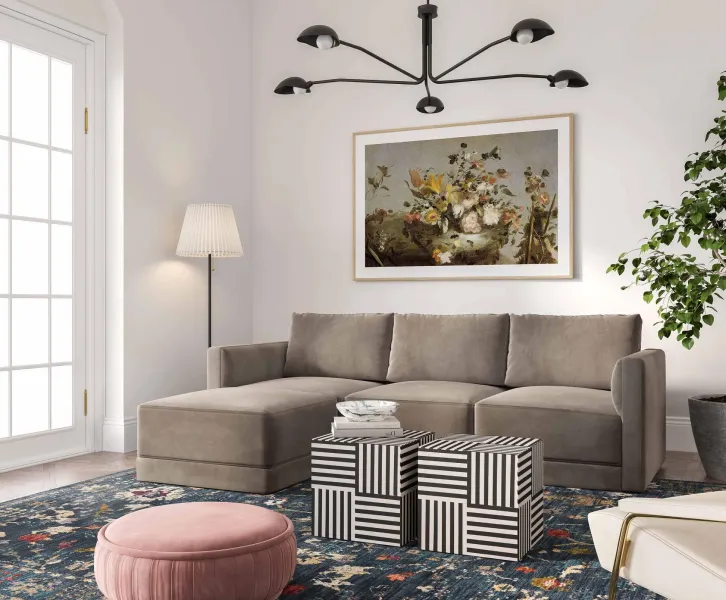
Sofa Chaise
A sofa chaise combines a traditional sofa with an extended lounge seat on one end for casual stretching out. The Willow Taupe Modular Sectional is a stylish and versatile sectional with a chaise, perfect for lounging and maximizing comfort.
-
U Shaped
A U-shaped sectional has three connected sides that wrap around to create a cozy, conversational seating arrangement. For example, the Willow Velvet Modular Sectional is a spacious U-shaped sectional designed for large gatherings, featuring deep, cozy seating.
-
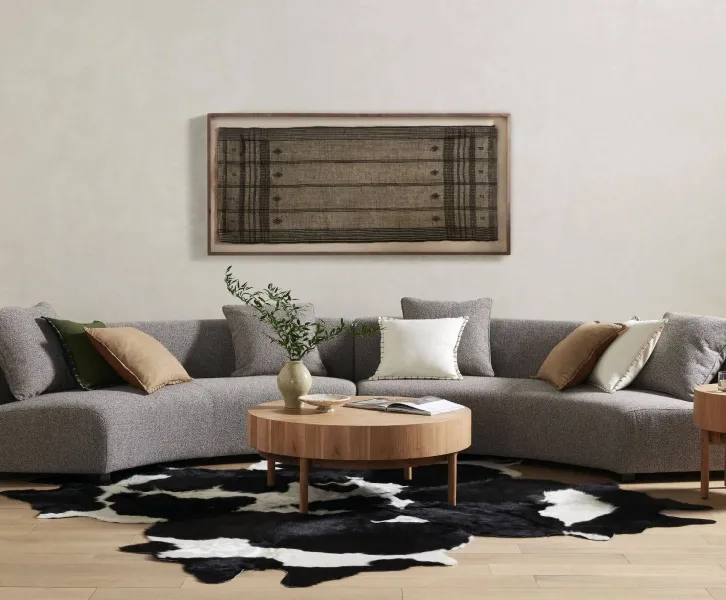
Curved
A curved sectional features a smooth, rounded shape that softens the layout and encourages face-to-face interaction. The Liam Astor Ink Performance Fabric Sectional is a sophisticated curved sectional offering both style and comfort.
-
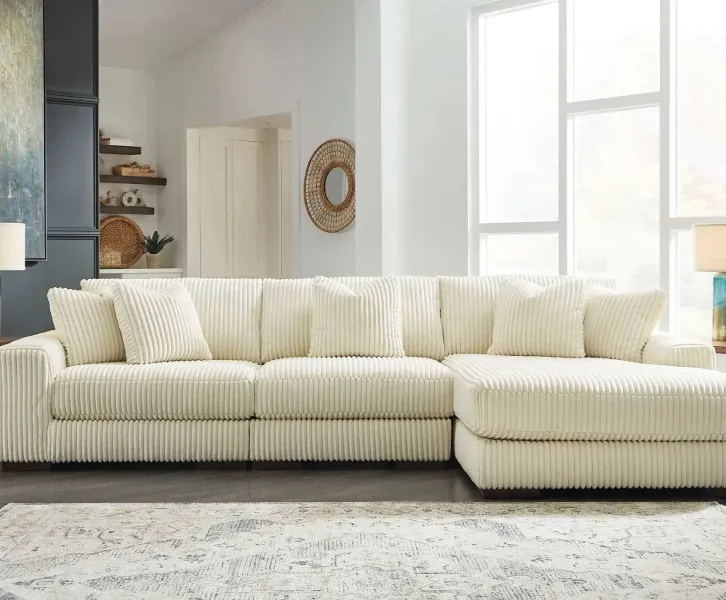
Right Arm Facing
A right arm facing sectional has the chaise on the right side when you're standing and looking at the piece. For example, the Lindyn Ivory Modular Sectional is relaxing and fits well with walls on the right side.
-
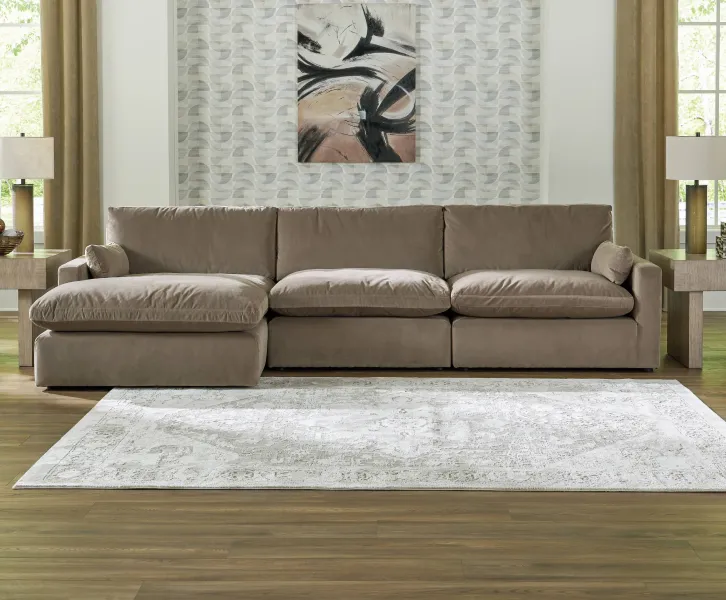
Left Arm Facing
A left arm facing sectional has the chaise on the left side when you're standing and looking at the piece. For instance, the Sophie Cocoa Modular Sectional is a rich cocoa-toned modular sectional with a left-arm design.

Choosing the Right Sectional for Your Space
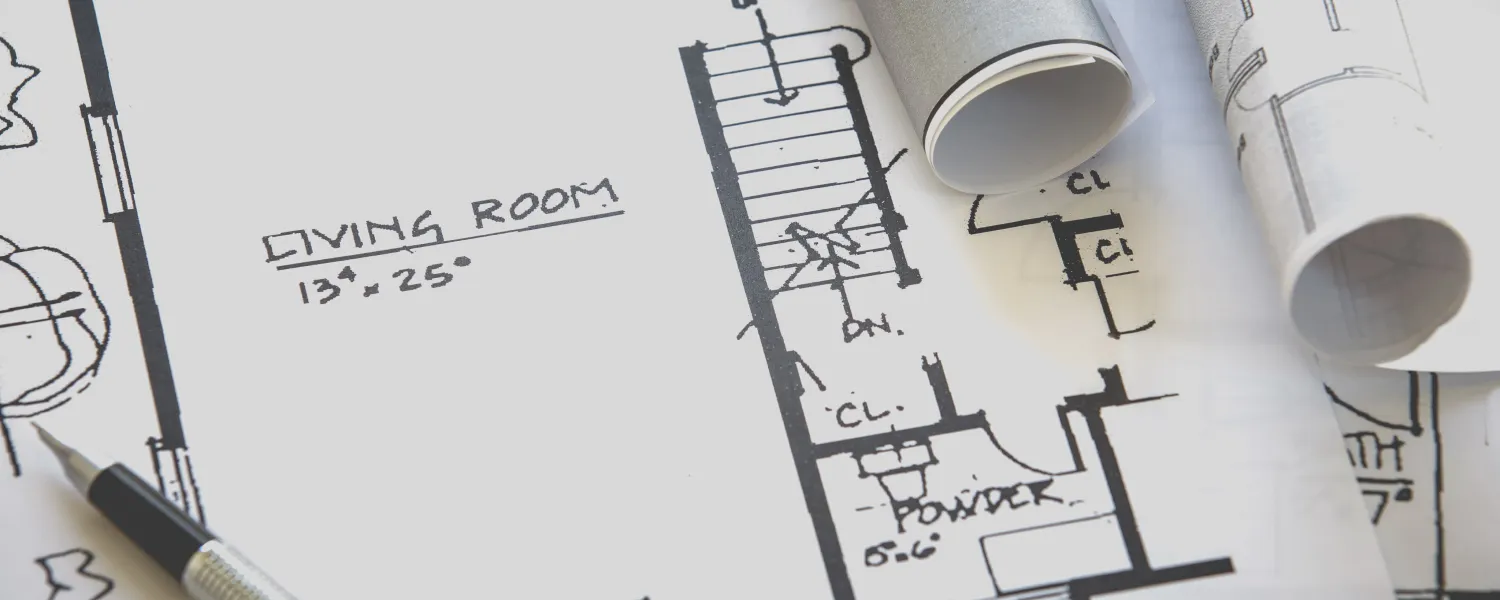
To make sure your new couch improves your space rather than overwhelms it, consider the size of the room, the layout, and how people move through the area. These are a few tips to consider when choosing the right sectional for your room.
- How much floor space can the sectional occupy without making the room feel cramped?
- Will the sectional block any windows, doors, or vents?
- Can you still comfortably walk around it?
In small rooms, opt for a more compact L-shape or a sofa with a chaise. In large, open-concept spaces, you have more freedom—a generous U-shaped sectional or modular design can help anchor the room and define distinct areas.
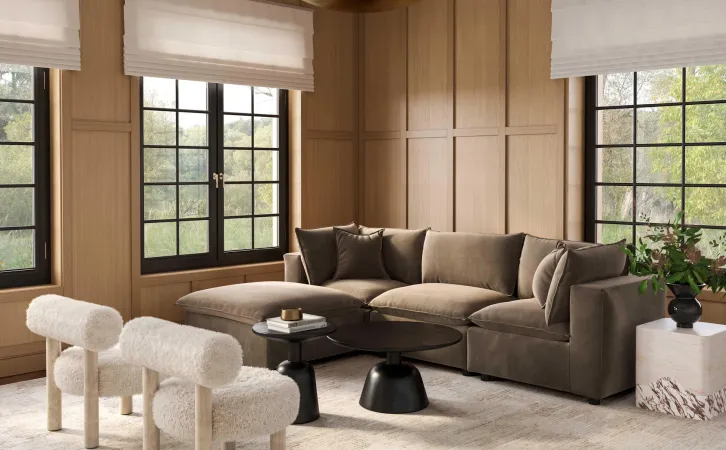
In tighter or more enclosed layouts, look for sleek, low-profile sectionals that offer ample seating without crowding the room. A sofa chaise is a smart, space-saving choice.
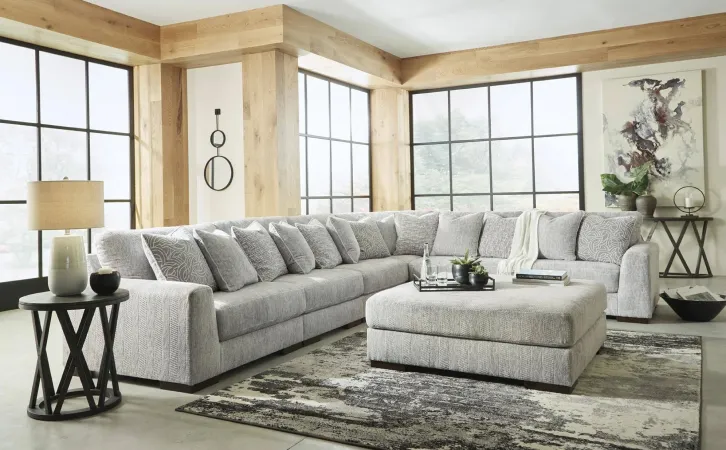
Bigger spaces can handle deeper seats, longer chaises, and more substantial silhouettes. Use a sectional to create zones—like separating a lounge area from a dining space—especially in open floor plans.
Leave at least 30–36 inches of clearance around the sectional so people can move freely. Avoid placing the sectional in a way that cuts off natural walking paths or creates awkward bottlenecks.
Finding a sectional that looks great and feels comfortable requires a little planning. Here are some expert tips on getting the size just right for your space and for your lifestyle.
- Seat depth: Deeper seats (22"–26") are great for lounging and taller individuals, while shallower seats (18"–21") provide more upright support and are better suited for formal seating or smaller frames.
- Back height: Taller backs (34"–40") offer head and neck support, ideal for relaxing or watching TV. Lower backs (30"–33") give a sleek, modern look and work well in open spaces where you don’t want to block the view.
In tighter or more enclosed layouts, look for sleek, low-profile sectionals that offer ample seating without crowding the room. A sofa chaise is a smart, space-saving choice.
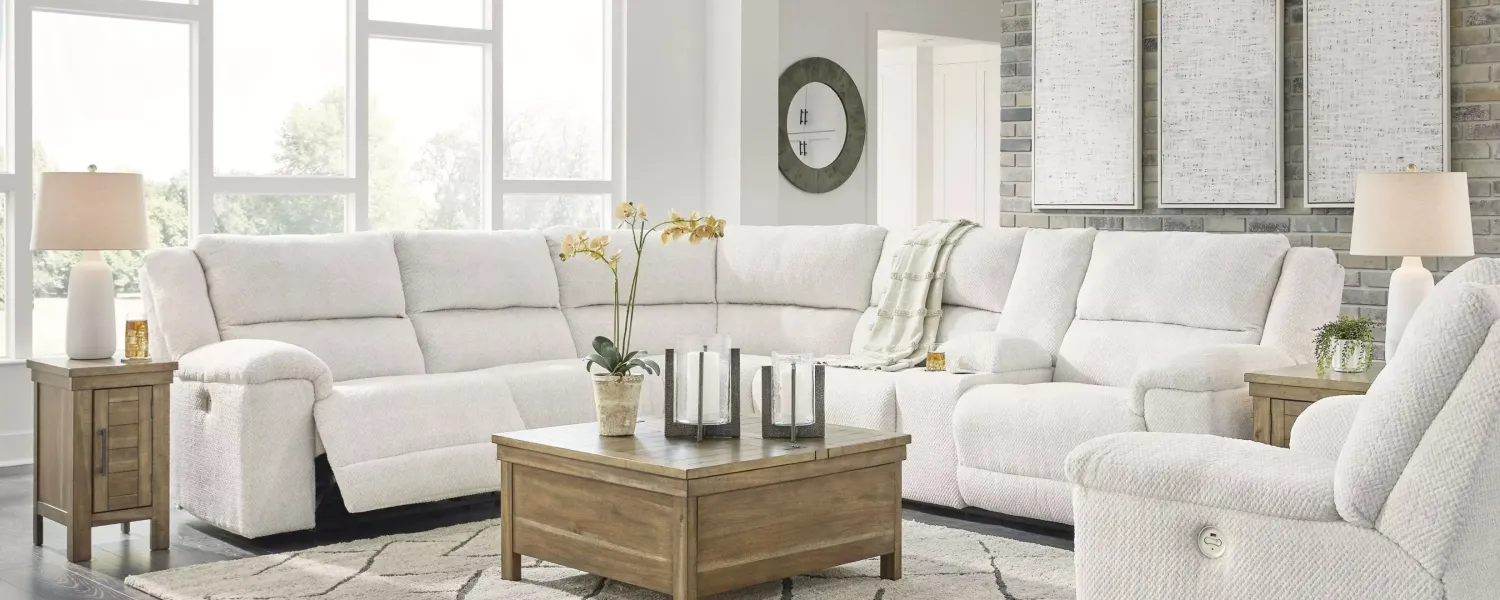
- Small rooms: Stick with sleek lines, armless pieces, and leggy designs to create an airy feel. Avoid bulky cushions or oversized arms that eat up visual space.
- Large rooms: Go bold with deeper seats, plush upholstery, and larger configurations. A big sectional can serve as a room anchor, especially in open-concept layouts.
Balance is key—you want the sectional to feel integrated, not overbearing or lost in the space.
- Modular sectionals: These come in individual pieces that can be rearranged or added to. Great for growing families, changing layouts, or unconventional spaces.
- Fixed-size sectionals: These are set in shape and size, usually more polished-looking and often more affordable. Ideal if your room layout won’t change much.
Before you fall in love with a sectional, make sure it can actually get into your home. Measure:
- Doorways (height and width)
- Hallways
- Stairwells
- Elevator access (if applicable)
Compare these with the packaged dimensions or request shipping details from the retailer. Some sectionals come in smaller pieces, but others (especially with built-in arms or frames) might be tricky to maneuver.
Make it Easy with Coleman Furniture
Shopping for the perfect sectional shouldn’t be a hassle, and with Coleman Furniture, it’s not. From curated styles to reliable service, we make sure your experience is smooth from start to sit.
Discover stylish, high-quality sectionals at prices you’ll love. No guesswork, just great deals. Plus, every product ships free*. In addition, some of our products come with free white glove service, where we’ll place it, assemble it, and take the packaging with us. And if you have any questions, you’ll get to work with our expert customer service team that’s ready to help.
Ready to find your perfect fit? Shop Sectionals.
*Shipping charges apply when shipping to Hawaii or Alaska.
A standard L-shaped sectional usually measures around:
- Length (long side): 95"–120"
- Length (short side): 60"–85"
- Depth: 36"–40"
This layout is one of the most versatile and space-efficient options, fitting well in both small and large rooms.
To calculate the full dimensions of a sectional:
- Measure the width: From the far-left edge to the far-right edge, including any arms or extensions.
- Measure the depth: From the back of the couch to the front edge of the deepest seat or chaise.
- Height: From the floor to the top of the backrest.
- Seat depth & height: Measure the seating area and cushion height for comfort preferences.
Always measure the full footprint, including corners and chaise extensions, as these can add several feet to the overall size.
For a 12x12 room, look for a small to mid-sized sectional:
- Ideal width: 80"–100"
- Chaise or short side: 60"–72"
- Depth: Stick to 36" or less for better flow
Opt for an L-shape or a sofa with chaise, and avoid bulky designs or U-shapes, which may overwhelm the space. Keep at least 30" of walking space around the sectional for comfort and movement.
