


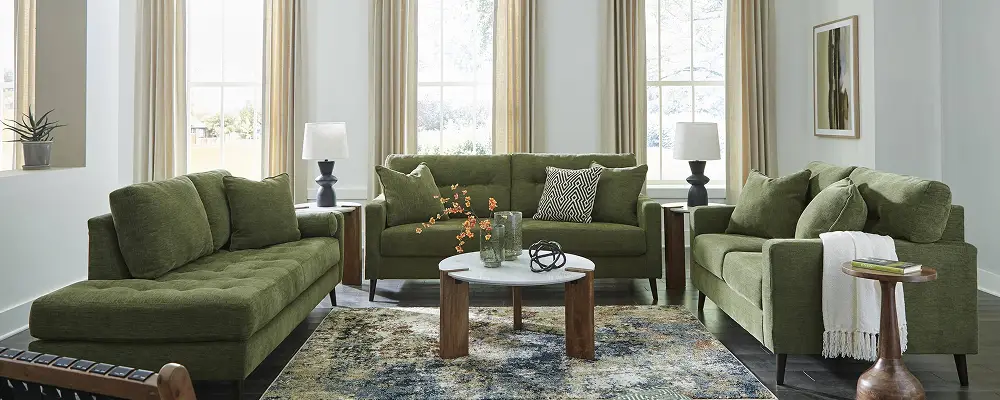
15 Types of Living Room Furniture Explained
Key Takeaways
- There are 15 main types of living room furniture, grouped into the categories of seating, tables, storage, and entertainment.
- Choosing between different furniture styles, including contemporary, classic, and rustic, changes the overall feel of the room.
- Selecting the right types of living room furniture comes down to your space, your lifestyle, and how you want the room to look and flow
Seating
-
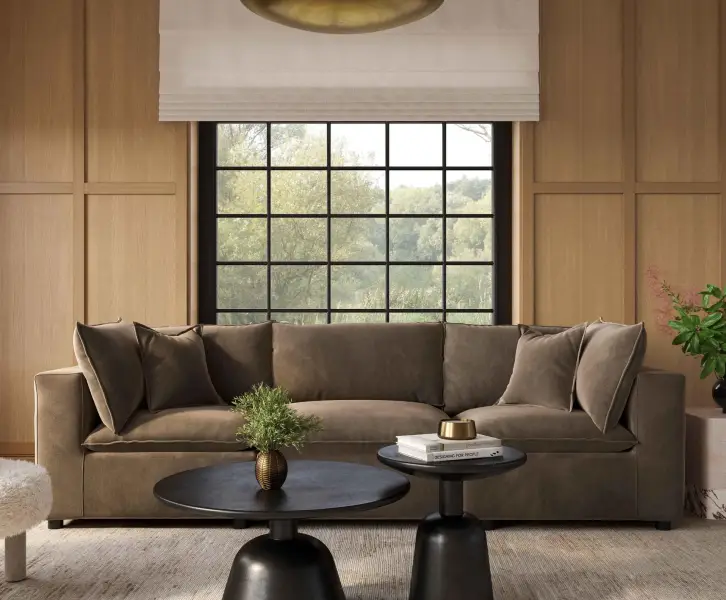
1. Sofas
The sofa is often the centerpiece of a living room. Standard sofas usually seat three people and range from about 72 to 96 inches wide. They’re versatile enough to work in both small and large spaces. A sofa anchors the room and gives you a base to build around with tables, chairs, and accessories.
Design Tip: Place your sofa against a wall to open up the rest of the room, or float it in the center of a larger space to define a seating area.
-
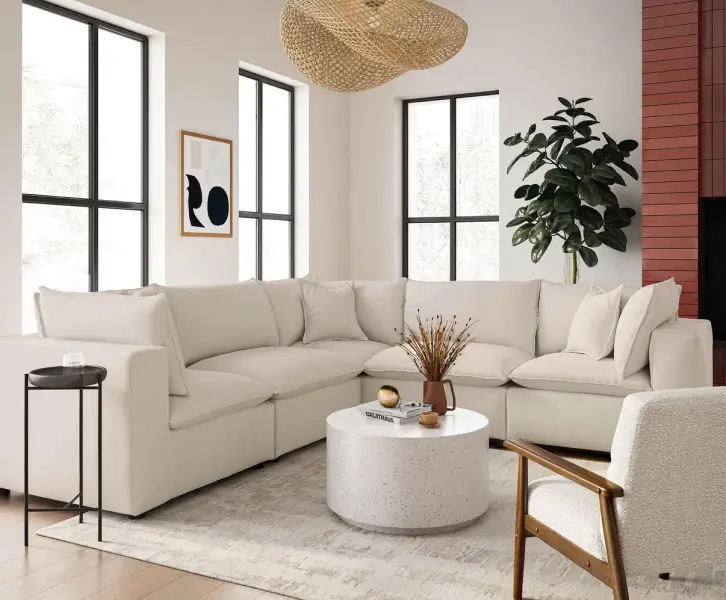
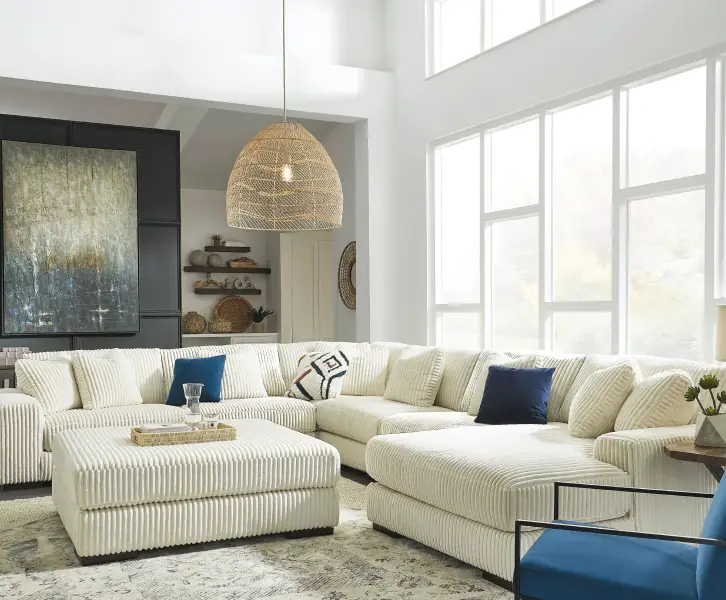
2. Sectionals
Sectional sofas are made up of multiple pieces that connect to form an L-shape, U-shape, or another layout. Sectionals are great for large families or anyone who loves to host. Sectionals offer plenty of seating and can also help divide open-concept spaces into distinct zones.
Design Tip: Use a sectional to frame a rug and coffee table, creating a natural conversation area in the room.
-
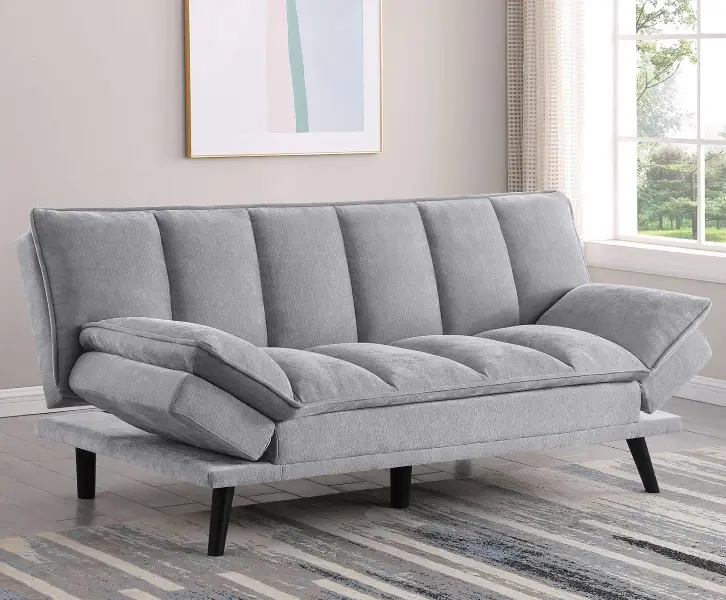
3. Futons & Sleeper Sofas
Futons and sleeper sofas are space-saving options that double as beds. They’re perfect for guest rooms, studio apartments, or multipurpose living spaces. During the day, they function as a sofa, and at night, they can convert into a sleeping area.
Design Tip: Place a sleeper sofa where it has enough clearance to fold out fully. Keep side tables light and easy to move so the transition from sofa to bed is simple.
-
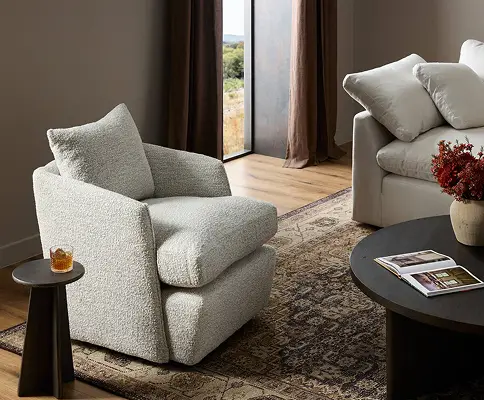
4. Accent Chairs
Accent chairs add an elegant touch to a living room. They come in many shapes, from simple accent chairs to plush, oversized versions. An accent chair is perfect for extra seating or for creating a cozy reading nook.
Design Tip: Pair two accent chairs across from a sofa to balance the layout and encourage conversation.
-
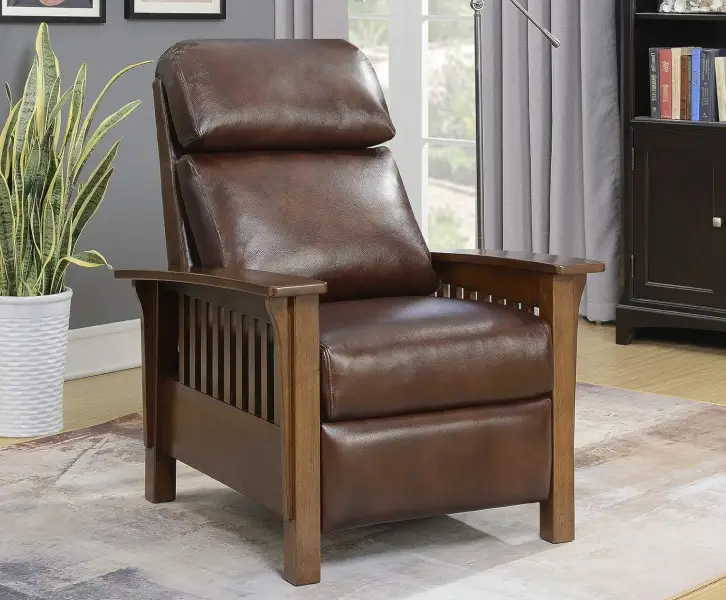
5. Recliners
Recliners are all about relaxation. They provide supportive seating with the option to lean back and extend a footrest. Modern recliners are comfortable and stylish. They are a popular choice for living rooms, dens, or media spaces.
Design Tip: Allow enough space behind and in front of the recliner so it can fully extend without crowding the room.
-
6. Ottomans & Poufs
Ottomans and poufs are trending pieces that can serve as footrests, extra seating, or even small tables with the addition of a tray. They’re lightweight and easy to move, perfect for flexible layouts.
Design Tip: Choose an ottoman with hidden storage to keep blankets, throw pillows, games, or magazines out of sight.
Tables
-
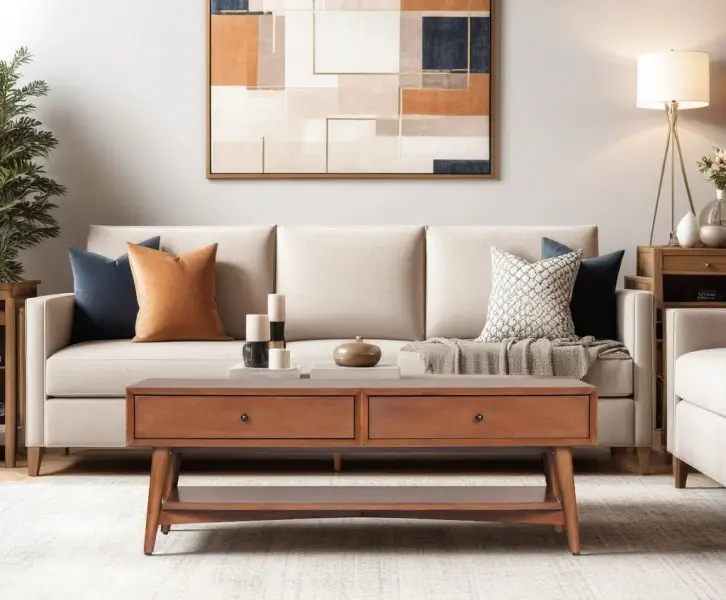
7. Coffee Tables
A coffee table is the centerpiece of most living rooms. It sits in front of the sofa, existing as a convenient spot for drinks, books, or décor. Standard sizes range from 36 to 48 inches long, but the right choice depends on the scale of your sofa and the room. Coffee tables also help anchor the space visually, creating a natural focal point in front of your seating.
Design Tip: Leave about 18 inches of space between your sofa and coffee table to give you room to stretch your legs.
-
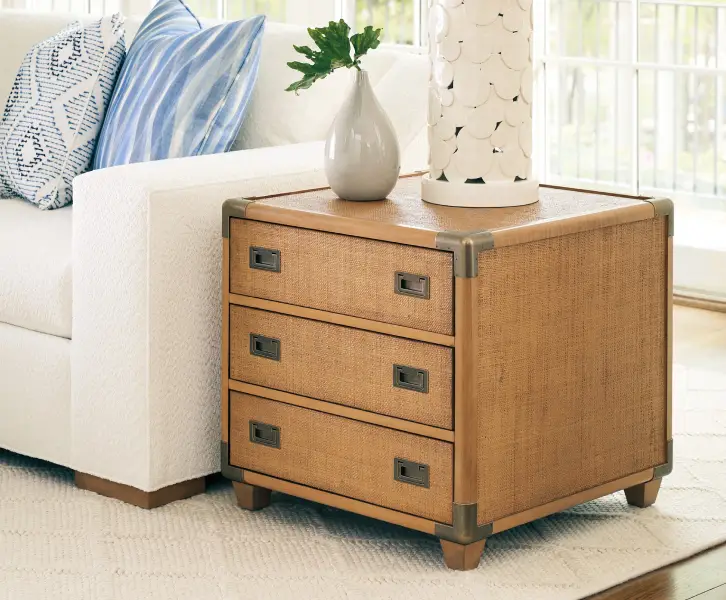
8. End Tables
End tables are the supporting players in a living room setup. Placed beside sofas or chairs, they provide surfaces for lamps, remotes, or a cup of coffee. End tables usually measure between 18 and 24 inches wide, making them compact and versatile. They’re available in countless styles, from sleek glass tops to warm wood finishes, so it’s easy to find a set that complements your main furniture pieces.
Design Tip: Choose end tables that sit close to the same height as your sofa’s armrest.
Storage & Display
-
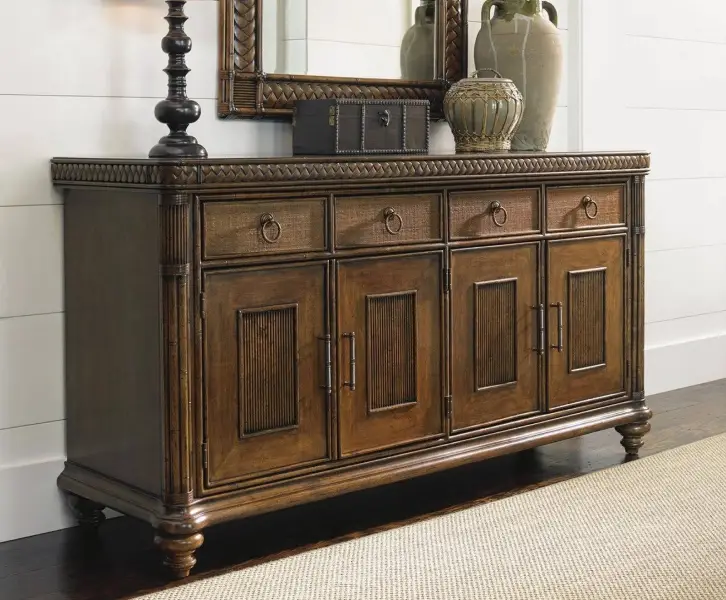
9. Buffets
A buffet is a long, low piece with cabinets or drawers, originally meant for serving food in dining rooms. In a living room, it works well for storing items you don’t want visible, like extra blankets, electronics, or board games.
Design Tip: Place a buffet behind a sofa or along a wide wall to double as both storage and a stylish display surface.
-
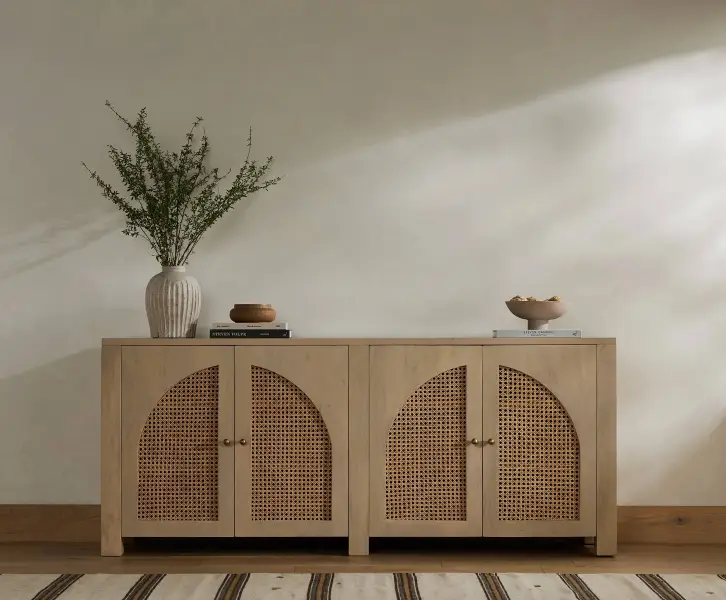
10. Sideboards
Sideboards are similar to buffets, but their design is usually lighter and more modern. While both pieces come with storage, sideboards are better suited to contemporary living rooms where you want the function of a buffet without the bulk.
Design Tip: Use a sideboard under a wall-mounted TV to hide electronics and keep the space uncluttered.
-
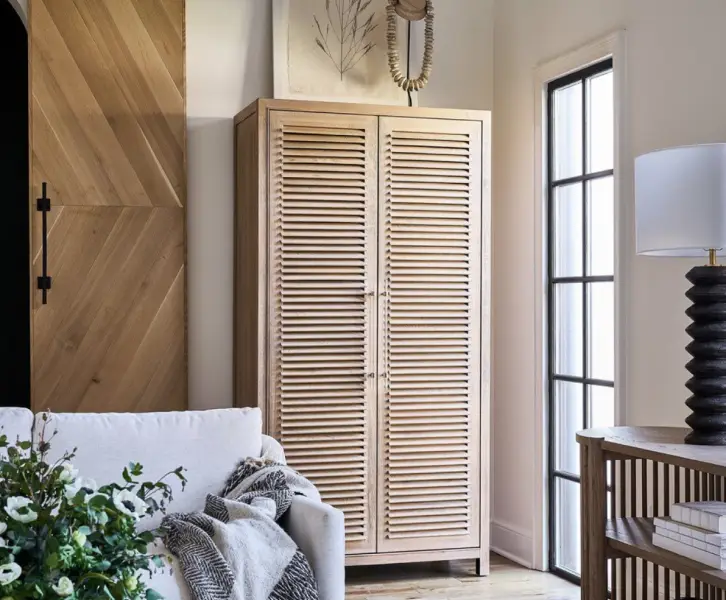
11. Cabinets
Cabinets are the most versatile of these storage pieces. They can be tall or short, wide or narrow, with doors that hide items inside. Unlike bookcases, cabinets prioritize concealed storage over display. Unlike buffets or sideboards, they aren’t tied to one particular shape or height — which makes them easy to adapt to your space.
Design Tip: Choose a tall cabinet to add presence in a smaller room, or a low cabinet for a living room that already has taller furniture.
-
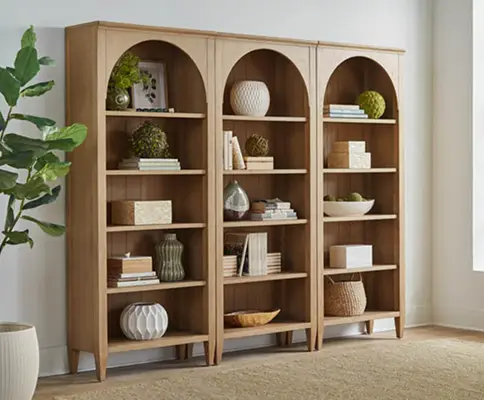
12. Bookcases
Bookcases are all about open display. Unlike buffets or sideboards, they don’t hide things away. Instead, they show off books, décor, or plants on open shelving. Their vertical design also helps draw the eye upward, making them a good choice when you want to add height to a room.
Design Tip: Mix books with decorative objects in a bookcase to keep the look balanced and visually interesting.
-
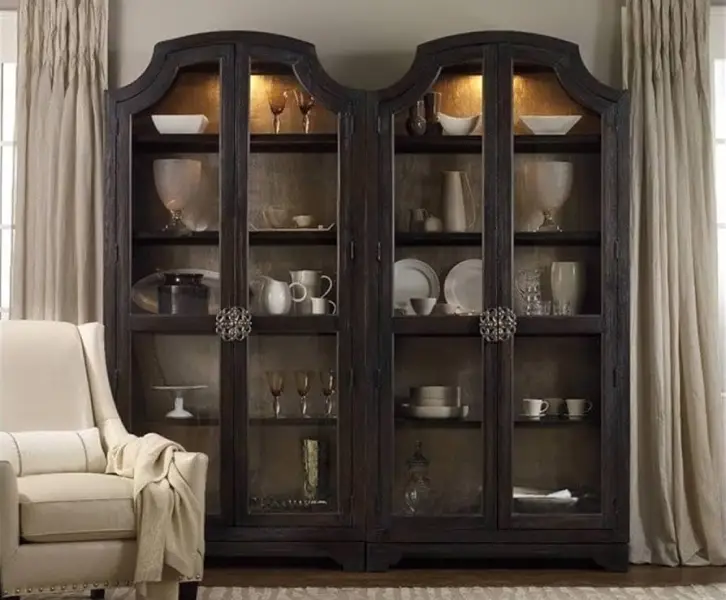
13. Curios
Curios are unique because they’re built for display and storage at the same time. With glass doors and shelves, they let you showcase collectibles, art, or heirlooms while keeping them safe from dust and handling. Unlike bookcases, curios usually have enclosed sides and doors, giving them a more finished, formal look.
Design Tip: Place a curio in a corner or along a side wall to highlight your favorite pieces.
Entertainment
-
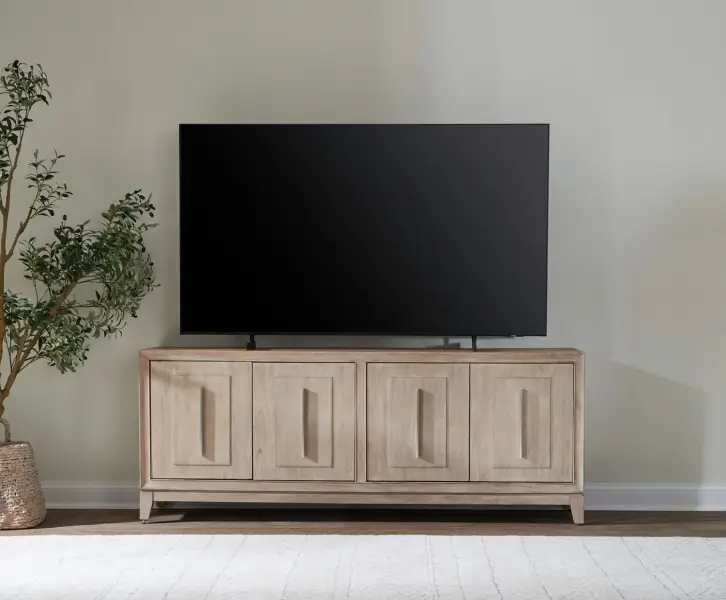
14. TV Stands
A TV stand is a lighter, elegant option for holding a television. Most TV stands are wide enough to support the screen and often include shelves for devices like cable boxes or gaming consoles. They keep things simple and functional without taking up too much space.
Design Tip: Choose a TV stand that’s slightly wider than your television. This gives the setup a balanced look and prevents the TV from feeling oversized.
-
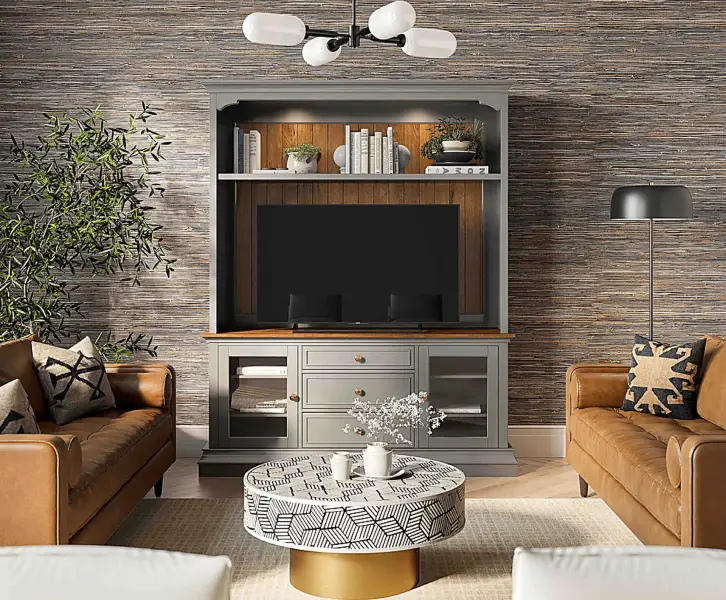
15. Entertainment Centers
An entertainment center is usually larger than a TV stand. These units frame the television with cabinets, shelves, and storage on the sides and above. They create a focal point wall in the living room while also providing space for books, décor, and media storage. Entertainment centers work best in larger spaces where you want storage built around the TV.
Design Tip: Keep the furniture surrounding the entertainment center simple so the unit remains the star of the wall.
How to Choose the Right Furniture for Your Living Room
When choosing between types of furniture, start with the basics: size and layout. Consider how the room flows, where people walk, and how the furniture will fit. Leave enough space for movement so the room feels open, not crowded. A sofa or sectional can anchor the space, but balance it with accent chairs, tables, and storage.
Next, consider your lifestyle. Do you love to host? A sectional with plenty of seating might be perfect. Prefer cozy evenings with a good book? A sofa paired with an armchair or two could be all you need. The right mix comes down to how you’ll actually use the space day-to-day.
Finally, let your style guide you. Modern pieces create a clean, open feel. Traditional furniture brings warmth and a sense of formality. Rustic or farmhouse designs add texture and coziness, while mid-century modern styles bring personality with simple, iconic shapes. Follow the theme of your existing decor, or throw it out the window to start from scratch and create the look you’ve always dreamed of.
Create Your Dream Living Room with Coleman Furniture
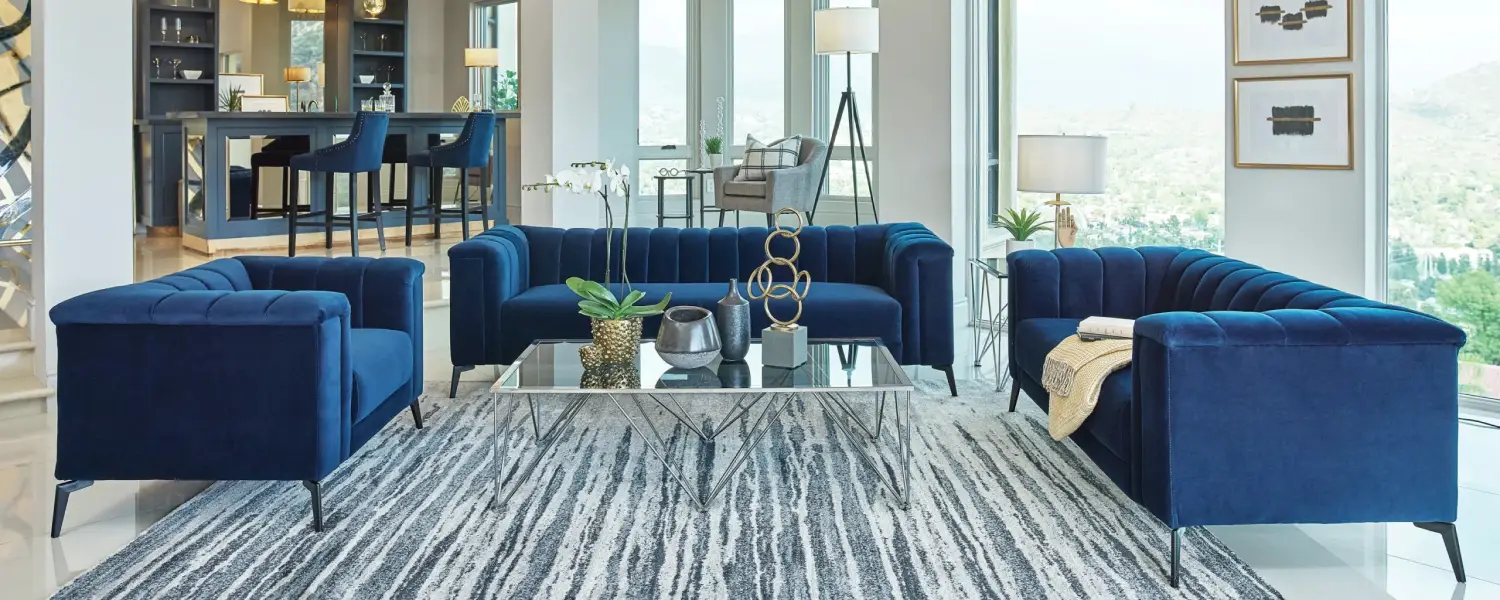
Your living room is where life happens, from quiet mornings with coffee to evenings spent hosting family and friends. The right furniture makes those moments even better. With a full range of sofas, sectionals, tables, storage, and more, Coleman Furniture has everything you need to design a living room that feels like home.
Shop Living Room Furniture at Coleman Furniture and bring home pieces that fit your style, your space, and your lifestyle.
The main categories are seating, tables, storage, and entertainment. Within those, you’ll find options like sofas, sectionals, recliners, coffee tables, sideboards, bookcases, and TV stands.
Buffets and sideboards are very similar, but a buffet is usually heavier and more traditional in style, while a sideboard often has slimmer legs and a more modern feel. Both include storage with cabinets and drawers, but their distinct look sets each apart.
Choose a coffee table that’s about two-thirds the length of your sofa. Leave around 18 inches of space between the table and the front of your seating for easy movement.
Think about the look you want your living room to have. Modern furniture creates a clean and open feel. Traditional furniture adds warmth and detail. Rustic and farmhouse designs make the room feel cozy, while mid-century modern adds personality with simple, timeless shapes. It’s entirely up to you!
A TV stand is a compact piece designed to hold a television and a few media devices. An entertainment center is larger, with built-in shelving and cabinets that frame the TV and provide extra storage and display space.
Focus on scale and spacing. Leave 30 to 36 inches for walkways and 18 inches between seating and a coffee table. Choosing the right mix of furniture for your room size will keep the space open and comfortable.


