


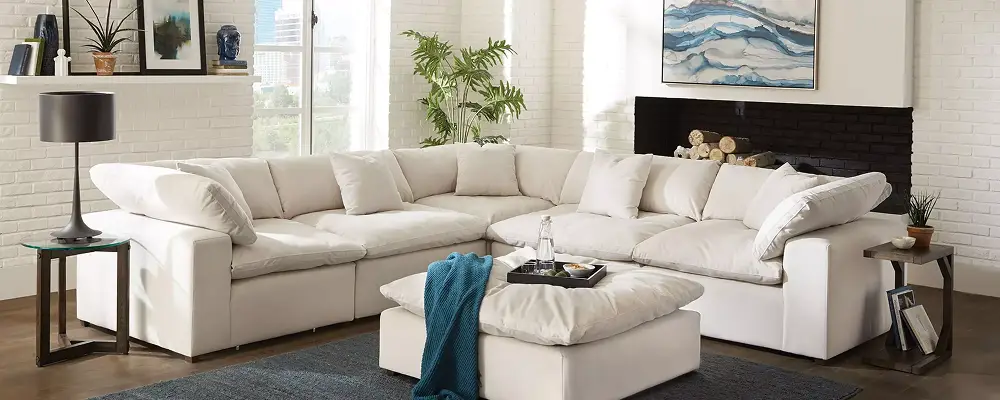
What is a Sectional Couch?
Key Takeaways
- A sectional couch is a multi-piece seating arrangement designed for flexibility and comfort.
- A sectional couch is ideal for families, entertaining, or maximizing seating in large or open rooms.
- Configurations range from L-shapes to U-shapes to chaise sectionals.
- Modular designs allow for customization based on your space and lifestyle.
- Understanding the parts of a sectional couch helps you choose the right one for your home.
What is a sectional couch, and how is it different from a sofa?
A sectional couch, also known as a sectional sofa, is made up of two or more connected pieces that form a larger seating arrangement. Each section is designed to fit together, creating a shape that suits the size and layout of your room. Some have chaises or recliners built in. Others are modular and can be rearranged as your needs change.
Instead of working around the limits of a standard sofa, a sectional gives you room to shape your space with intention. You might choose one to add extra seating, define zones in an open layout, or simply to make the most of a corner that a traditional couch can’t quite fill.
Parts of a sectional couch
What is a sectional couch made of? Understanding the different components of a sectional couch can help you choose the layout that fits your space and how you plan to use it. While styles and names can vary, most sectionals are built using a combination of the following pieces:
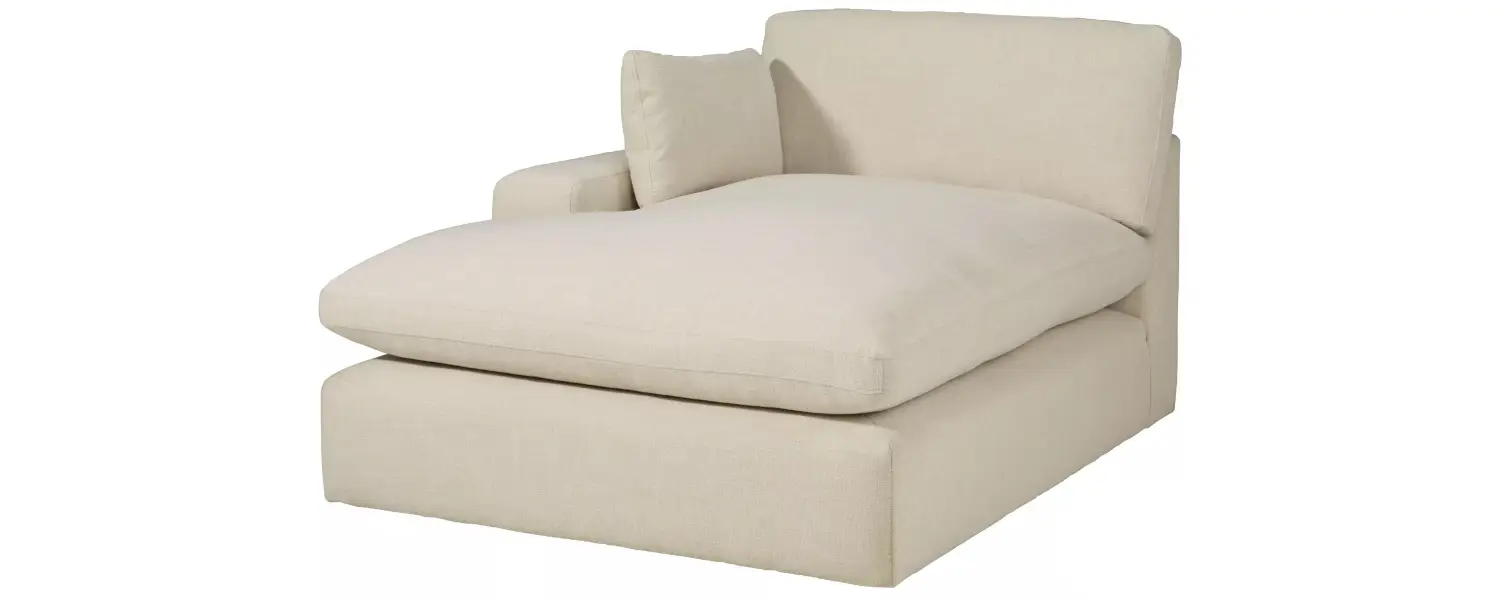
Chaise
A chaise is a long seat attached to one end of the sectional, designed so you can stretch out your legs. Some chaises are wide enough to sit two people, while others are more compact. If you like to read, relax, or nap on the couch, a chaise creates the perfect cozy spot without needing extra furniture.
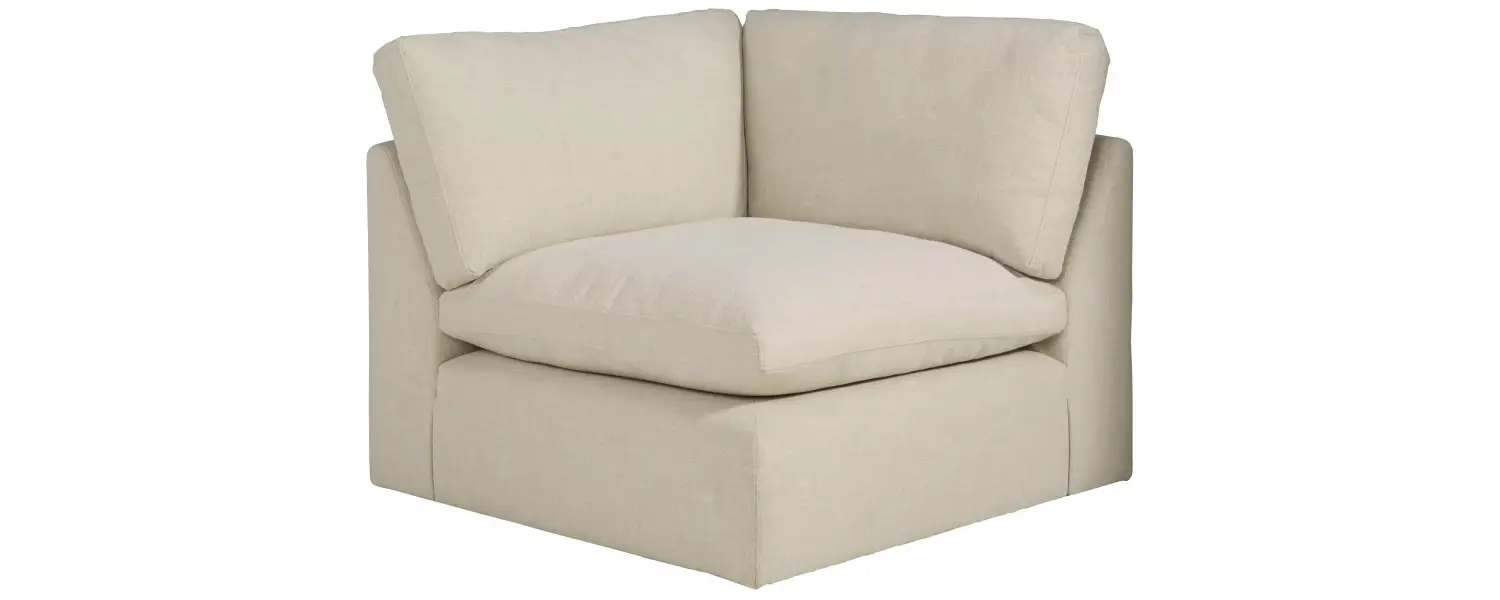
Corner Wedge
This is the angled piece that connects two seating sides and creates the turn in an L-shaped or U-shaped sectional. It allows the sectional to wrap around the room or anchor a corner. Some corner wedges are deep and rounded, giving you a wide seat right in the middle.
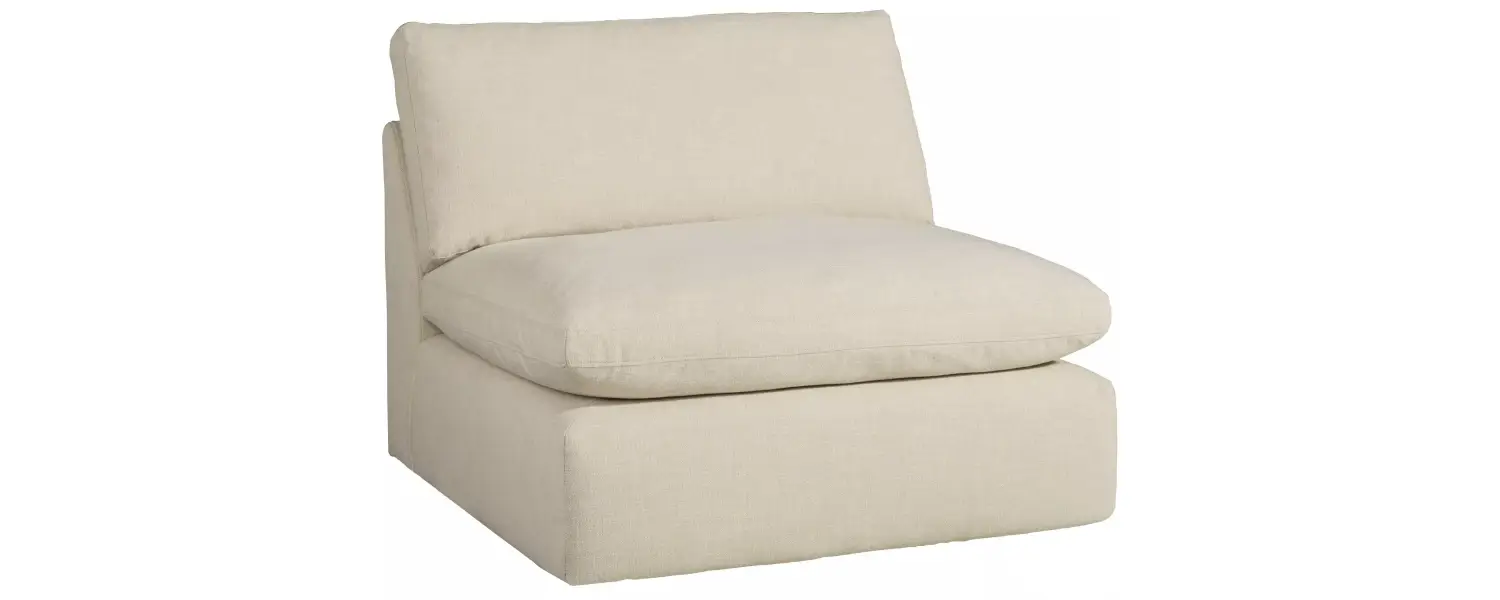
Armless Chair
An armless chair is a seat with no arms on either side. These pieces are often used between end units to extend the length of the sectional. You can add one to increase seating without changing the overall shape.
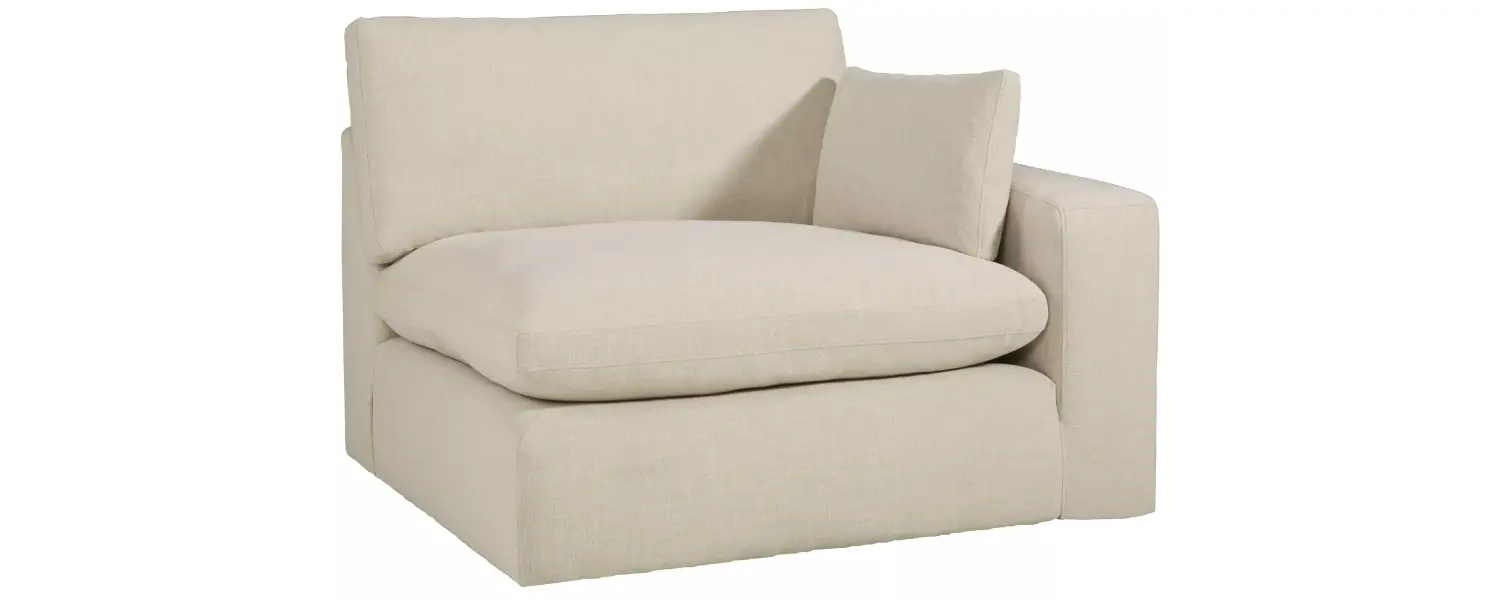
One-arm Chair
A one-arm chair has an armrest on only one side, either left-facing or right-facing. These are placed at the ends of a sectional or used to create the shape you need. The direction (left or right) is based on which side the arm is on when you're facing the seat.
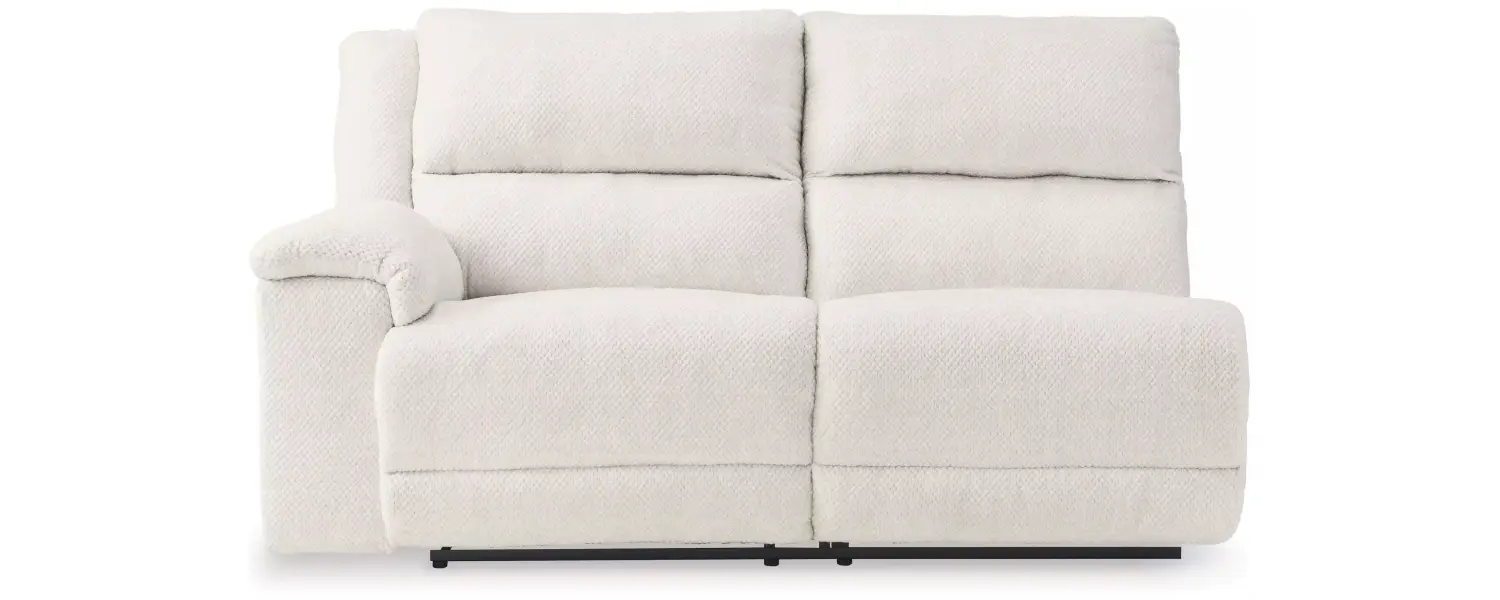
Loveseat Unit
This two-seat section often sits at one end of a sectional. It can include arms on both sides or just one, depending on its placement. Loveseats are useful when you want a more traditional seating feel within a larger configuration.
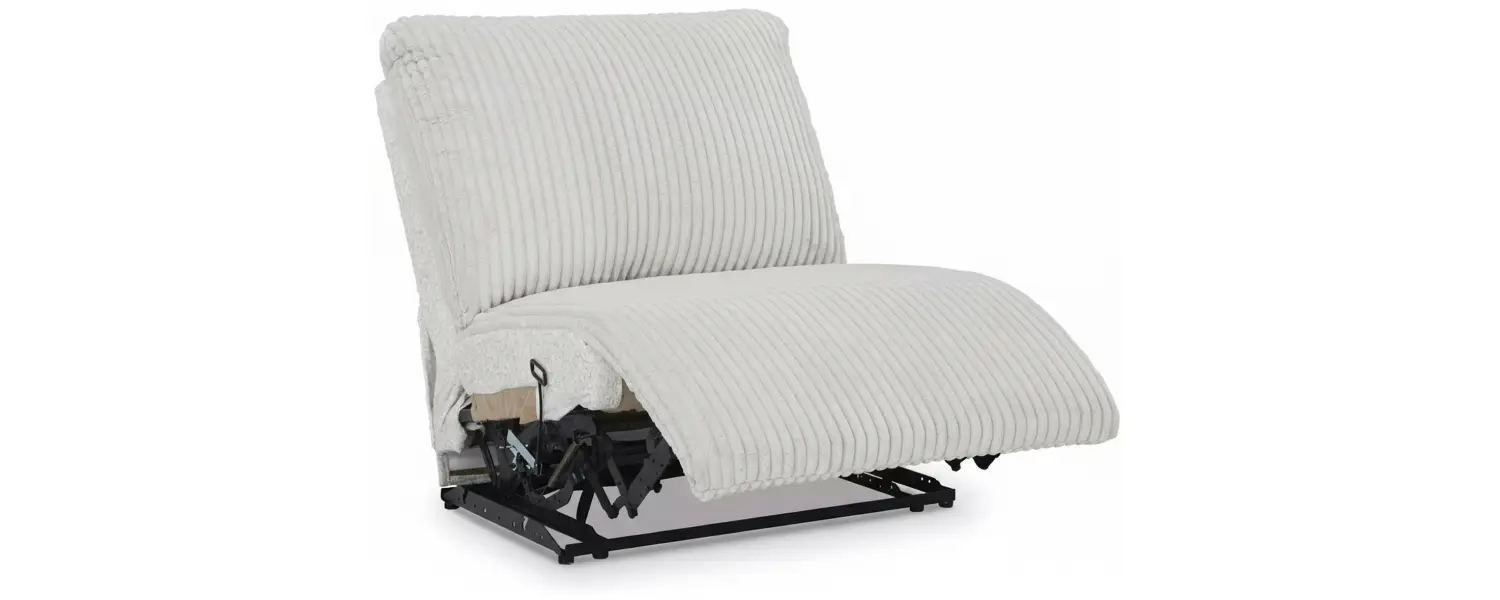
Recliner Unit
Some sectionals include manual or power recliners built into one or more seats. These allow you to kick back without adding a separate recliner to the room. Recliner sections are especially common in media or family rooms.
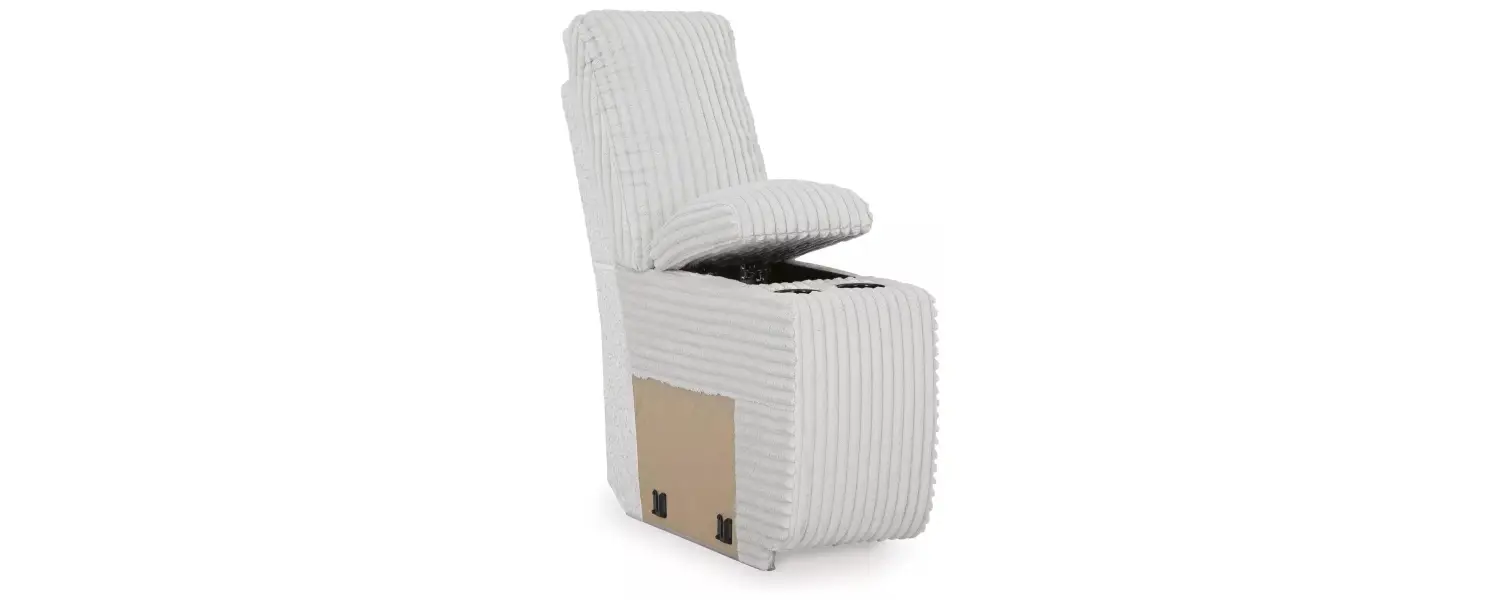
Console
A console is an optional section that includes storage, cup holders, or both. It’s usually placed between two seats, often in home theater setups or larger U-shaped sectionals.
Each of these parts connects securely to form a complete sectional couch. The right combination depends on your room size, how many people you want to seat, and the features that matter most to you.
Common configurations of sectional couches
Not every sectional couch looks or functions the same. The layout you choose will affect how the piece fits your space, how people move around it, and how comfortably it seats your household. Here are the most common configurations, along with when each one works best.
-
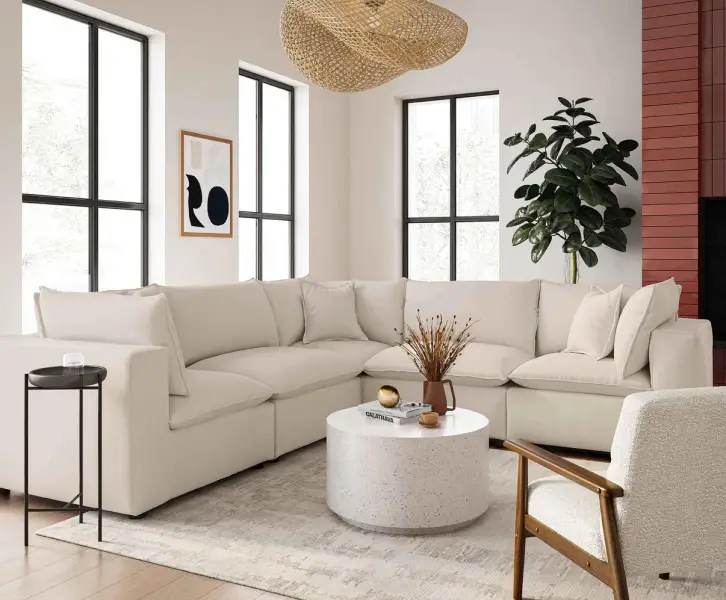
L-shaped sectional
This layout includes two connected seating sections that form a right angle. It fits well into corners or against two adjoining walls. An L-shape sectional is one of the most versatile options, making it a smart choice for apartments, family rooms, or homes with limited space. You can find compact versions with just four seats or larger styles that accommodate six or more.
-
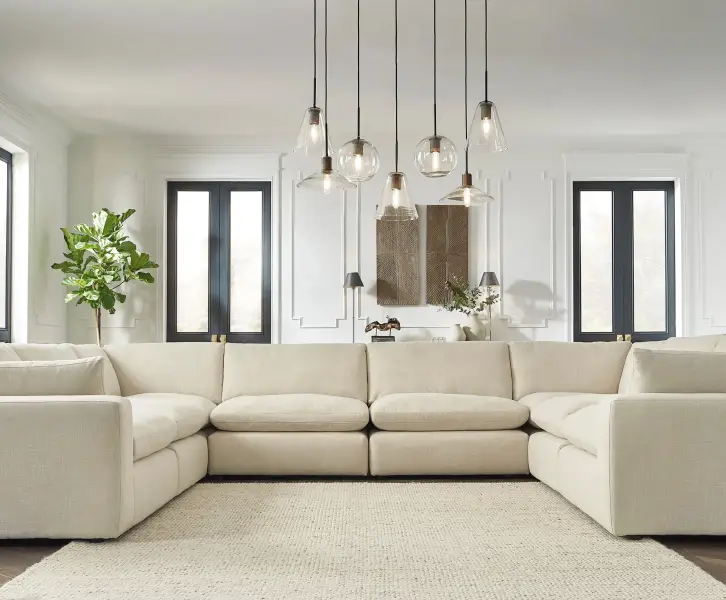
U-shaped sectional
A U-shaped configuration adds seating on both sides of a central section, wrapping around to create a more enclosed seating area. This shape works best in larger rooms where you want to encourage conversation or face everyone toward a focal point like a TV or fireplace. It also helps fill wide spaces without needing additional furniture.
-
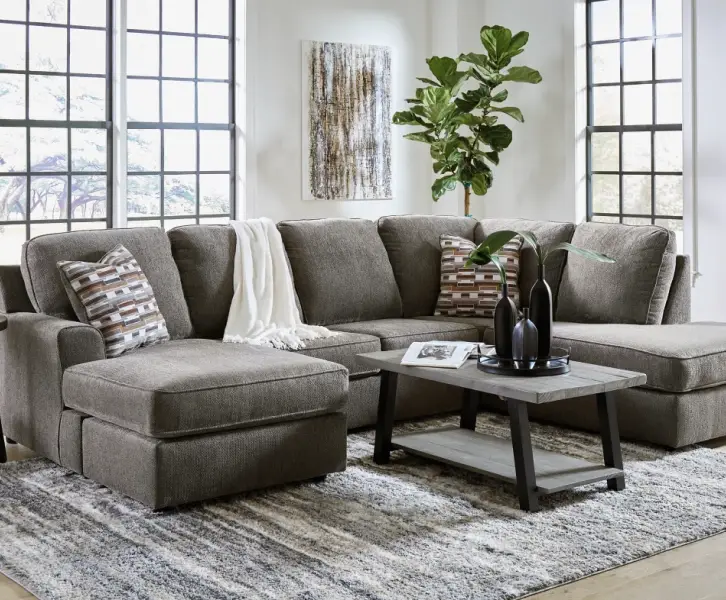
Chaise sectional
This style features a traditional sofa with a chaise extension on one side. It provides space to stretch out without taking up as much room as a full U-shaped setup. Chaise sectionals are ideal for relaxing, especially in living rooms that serve as everyday gathering spots. You’ll often see this layout in open-concept homes where the chaise helps define the edge of the space.
-
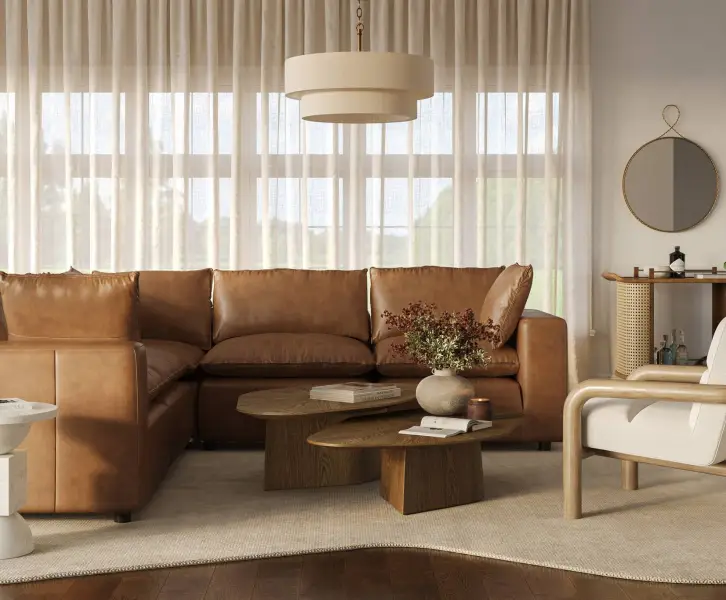
Modular sectional
Modular sectionals are made up of individual pieces that can be moved and reconnected as needed. Each unit is finished on all sides, so you’re not locked into a single layout. This type of sectional is useful for people who like to rearrange their furniture or expect their needs to change over time. It also helps when navigating tight hallways or doorways during delivery.
-
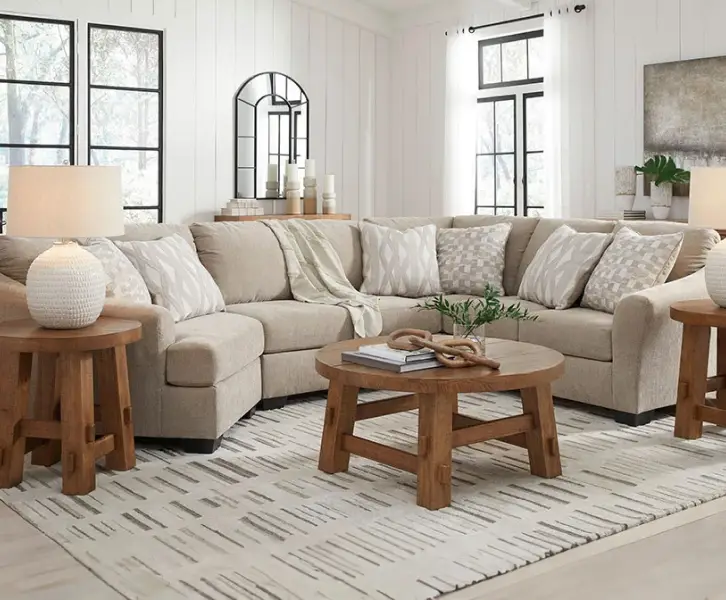
Curved sectional
Less common than the others, curved sectionals feature a gentle arc rather than straight lines or sharp corners. They create a more formal, symmetrical look and are often used in larger rooms with a central gathering space. Because of their shape, curved sectionals don’t usually sit flush against walls, so they’re better suited to open floor plans.
- Rotate cushions every few months
- Vacuum fabric and wipe down leather regularly
- Avoid placing it in direct sunlight
- Use arm covers or throws in high-contact areas
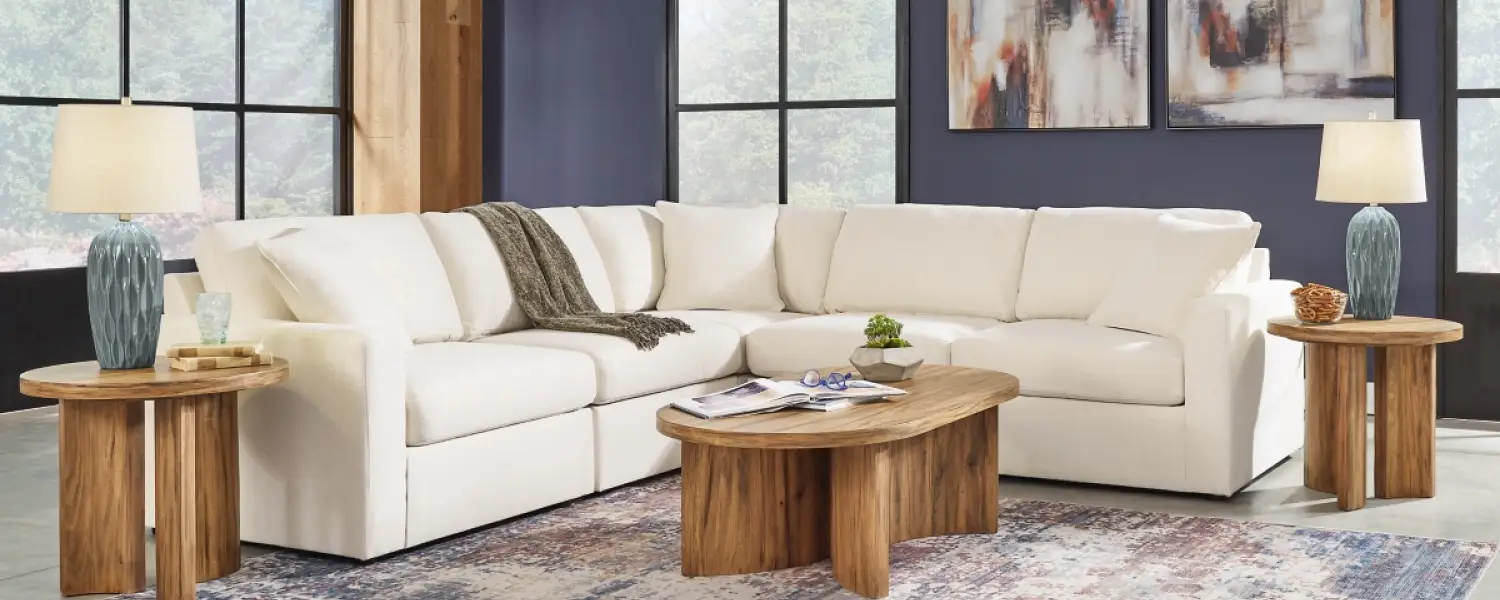
Why choose a sectional couch? 5 everyday uses
A sectional couch fits the way people live now. It supports casual gatherings, family routines, and the kind of comfort that doesn't require rearranging the room every time someone stops by. From open layouts to smaller homes that need smarter seating, sectionals provide an easy, low-stress solution.
1. Room for everyone
If you’ve ever run out of seating during a family gathering or had to drag in an office chair for extra space, you already know why this matters. A sectional couch gives you more seats in one unified piece, without cluttering the room. Depending on the configuration, you can seat five, six, or even more without needing to layer in additional furniture. This makes it a great choice for families, people who entertain often, or anyone who wants a simple way to create a welcoming space. Because the seating is continuous, it also feels more relaxed. People aren’t spread out across mismatched chairs, but together.
2. A natural spot to lounge
Sectionals are made for comfort, but the kind that works in everyday life. If you like to stretch out and unwind after a long day, a sectional with a chaise gives you that built-in spot to put your feet up without reaching for an ottoman. You can curl up with a book, queue up your favorite show, or take an afternoon nap without feeling like you’re cramming yourself onto a standard sofa. For households that share the couch—couples, kids, pets—it gives everyone their own corner to lounge without bumping elbows. It's a place to relax that doesn't need extra pieces or constant rearranging.
3. Easy flow in open layouts
In a space where the living room isn’t clearly divided from the kitchen or dining area, a sectional helps shape how the room flows. A sectional couch helps create structure by defining the seating area without adding bulk. It works like a natural room divider, guiding movement while still keeping the layout open and connected. You can angle it to direct attention toward a focal point like a TV, fireplace, or window, or use it to close off a walkway subtly. The result is a space that’s organized, but still open and livable.
4. A better fit for movie night
For families or households that center around the living room, comfort matters—especially when everyone’s home for a movie night or big game. A sectional makes that kind of togetherness easier. There's no need to figure out who gets the “good seat” or drag in dining chairs to make room. Everyone has a spot, and the L- or U-shaped design means no one's stuck with a side-angle view of the screen. Many sectionals also include reclining features or deep cushions that support long periods of sitting, so comfort lasts from the opening scene to the final credits. It’s a smart fit for any room that doubles as a shared hangout.
5. Adapts to the way you live
Life doesn’t always stay the same. Many sectionals are built with modular pieces that can be rearranged, expanded, or even reconfigured entirely. That kind of flexibility makes a sectional a long-term choice that can keep up with moves, remodels, or changing needs at home. You might start with a basic L-shape and later decide to add an armless chair for more seating. Or maybe the layout of your room shifts, and you need to move the chaise from one side to the other. A well-designed sectional makes those adjustments easy without needing to replace the whole thing.
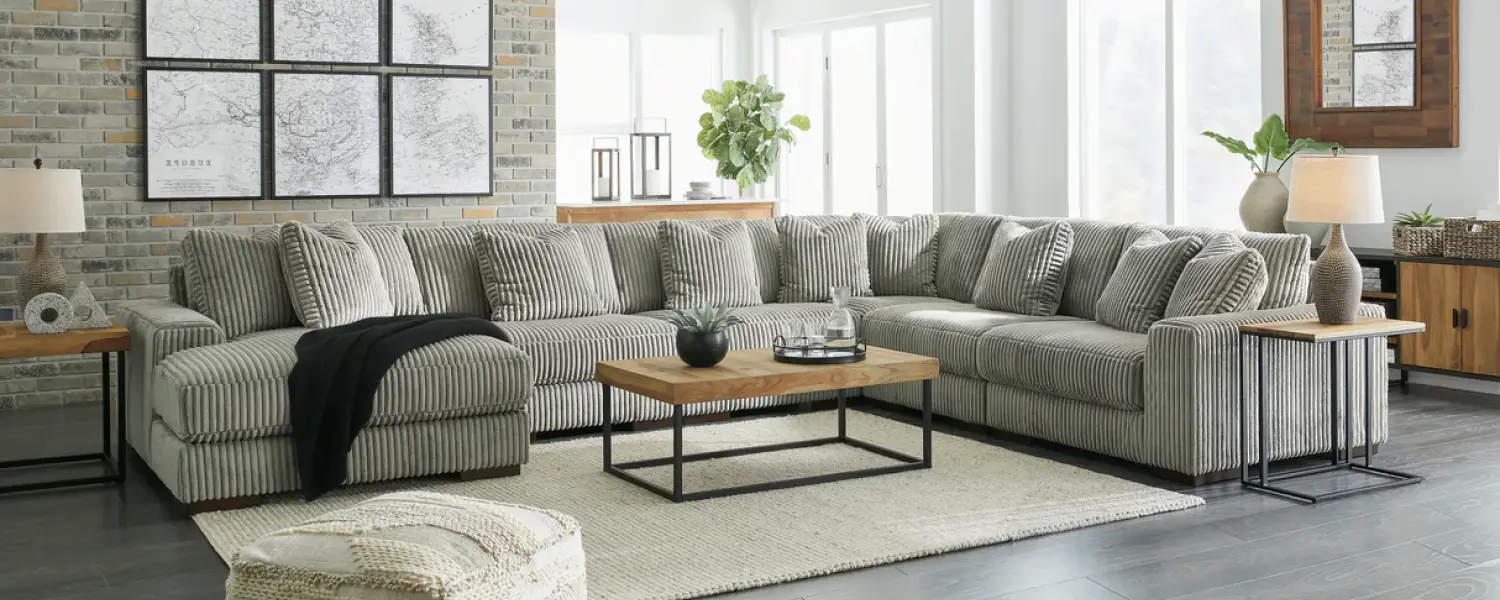
Choosing the right sectional for your space
The right sectional depends on your space, your lifestyle, and the way you like to live in your home. At Coleman Furniture, we make it easier to find one that fits all three.
Our collection includes a wide range of sectionals, from compact styles for smaller rooms to modular and U-shaped designs for large, open layouts. You’ll find options with chaises, recliners, storage consoles, and performance fabrics that are made to hold up to everyday use.
Each product includes full dimensions, detailed specs, and clear photos to help you visualize how it will work in your space. If you need a second opinion, our team is here to help you compare styles, measurements, and features that make sense for your home.
Explore more styles, see what fits, and take the guesswork out of choosing a sectional couch.
A sectional couch is used to create flexible, comfortable seating for living rooms, family rooms, or open spaces. It works well for lounging, entertaining, or fitting more people into one shared space.
Most sectional couches have a hardwood or engineered wood frame, foam or down-filled cushions, and fabric or leather upholstery. Some include built-in recliners, storage consoles, or modular pieces for added function.
A sofa is one solid piece, usually with space for two or three people. A sectional is made of multiple connected pieces and can seat more while adapting to different room layouts.
Sectional sofas are built from joined sections and often include a chaise, recliner, or modular features. Traditional sofas are single, fixed pieces that work best in compact spaces.
Sectionals can take up more space and may be harder to rearrange in small rooms. If one part wears out, replacing just that section can be more difficult than with standalone pieces.
Most do. Sectionals are usually built to separate for moving or reconfiguring, though how easily they come apart depends on the design. Modular styles offer the most flexibility.


