


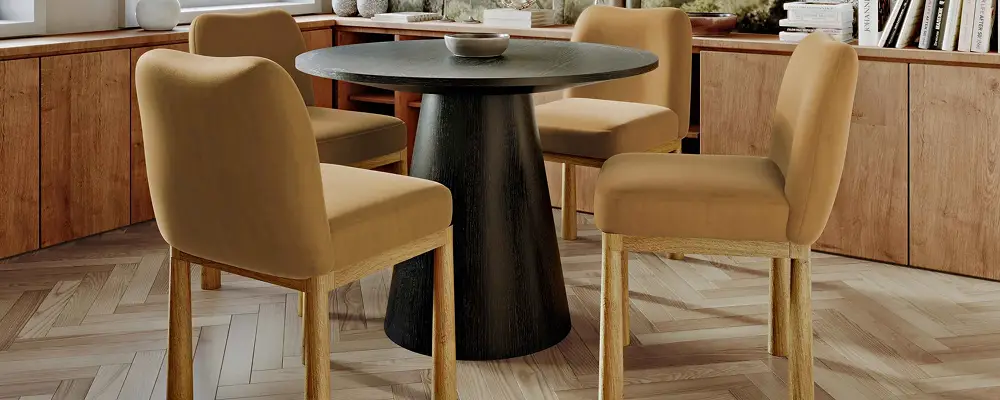
How to Choose Dining Chairs for Your Home
Looking to upgrade your dining room? Choosing dining chairs is an important part of creating your new aesthetic. However, picking out your chairs isn’t usually a clear-cut task and always requires careful thought. This involves knowing how to get the proportions right, finding materials that work together and hold up in your home, and choosing styles that match your aesthetic. If you’re not sure where to start, don’t worry. We’ve come prepared. Key Takeaways- The right dining chairs come down to scale, height, and fit
- Materials shape the look and feel, from versatile wood to cozy upholstery to polished leather
- Comfort matters, so think about seat depth, cushioning, and whether you want arms
- Mixing chairs adds personality, while matching keeps things simple
- Style is the finishing touch, whether you love modern, rustic, or timeless classics
- Coleman Furniture makes it easy to find options that fit your space
-
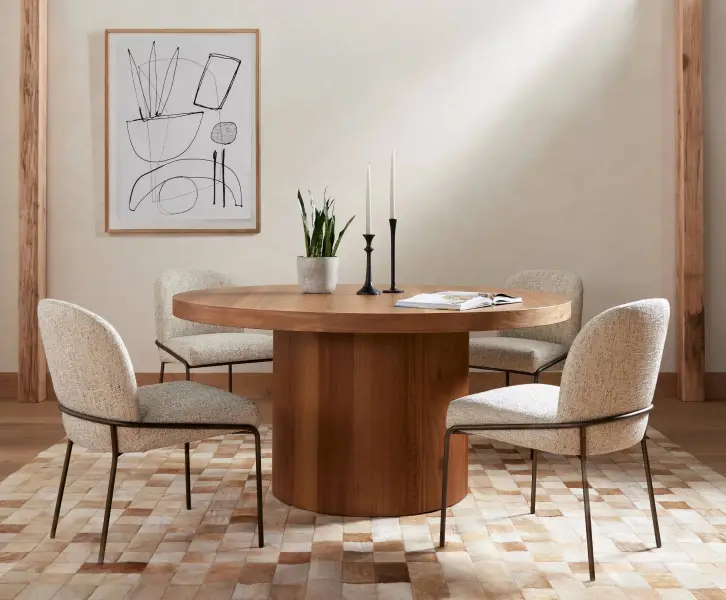
One of the most common mistakes people make when choosing dining chairs is not paying attention to scale. If your chairs are too bulky for the table or too slim for a large setup, the whole space feels off.
The general rule is to allow about 24 inches per person, which gives enough elbow room and keeps things from feeling crowded. Also, make sure the chair legs and arms fit under the table without bumping into anything. That’s especially important with pedestal or trestle bases.
The shape of your table matters, too. A round table works best with armless chairs or benches, while rectangular tables give you more flexibility to mix chair styles along the sides and ends.
-
2.
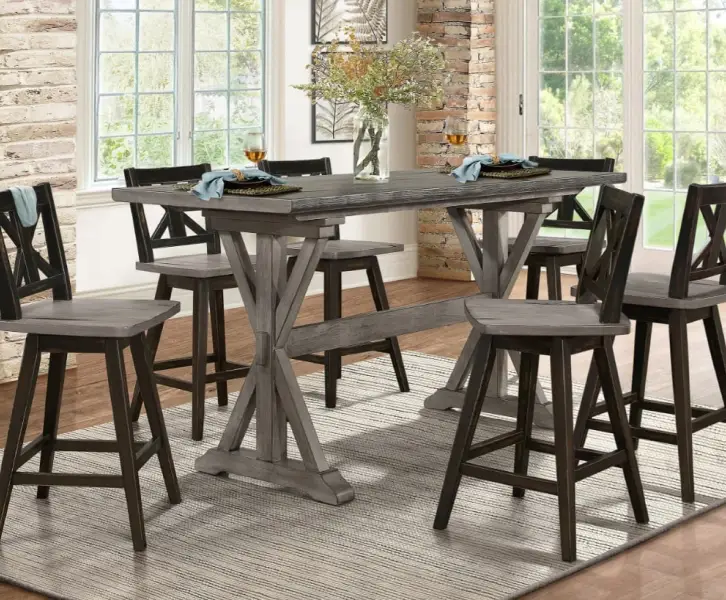
Check Chair Height and Table ClearanceThis is one of the most important parts of learning how to choose dining chairs. Remember: the sweet spot between your seat and table is 10 to 12 inches. That gives you enough legroom without making the table feel too far away. But measurements can get tricky depending on the table design.
If your table doesn’t have an apron, measure from the bottom of the tabletop to the top of the chair seat. If it does, measure from the bottom of the apron instead. For upholstered chairs, keep in mind the cushion compresses when you sit. You might need to test it with weight to get an accurate reading.
Also pay attention to back height, especially if you want the chairs to make a statement or stay tucked under when not in use. If you prefer a table that sits higher than the standard 30 inches, consider counter-height stools instead of traditional dining chairs.
-
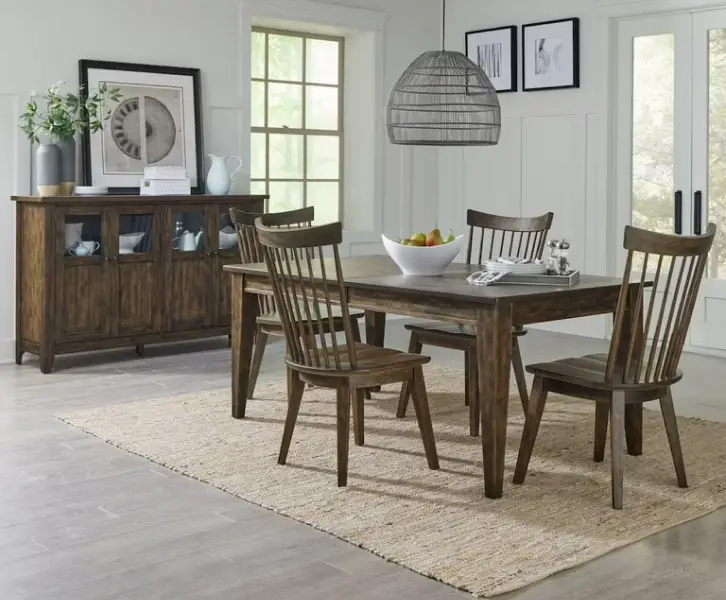
Wood is a go-to for a reason. It’s durable, easy to clean, and works with almost any style. Light wood chairs pair well with white or black tables for contrast, and darker wood chairs look great next to mid-tone or natural finishes. Wood dining chairs are a safe bet if you want a coordinated look without being too matchy-matchy.
-
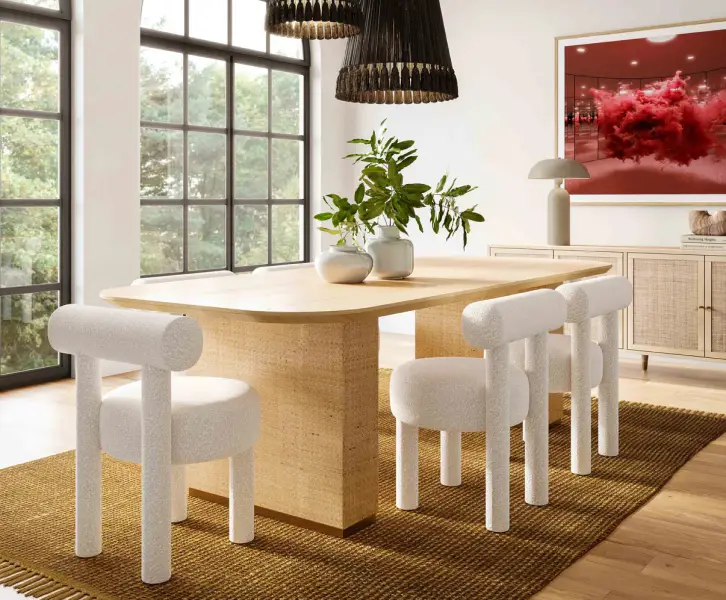
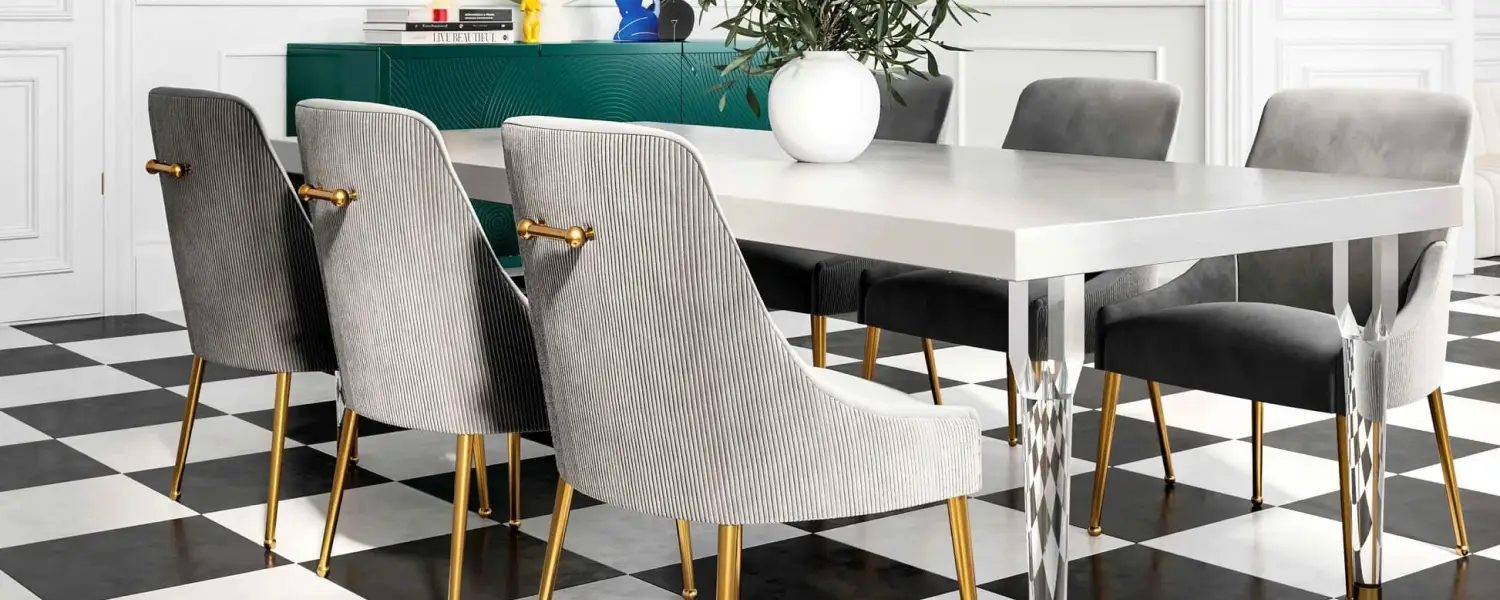
Upholstered chairs are soft and comfortable. They work especially well with hard-edged tables like metal or stone, or with very simple wood tables that could use some visual texture. Neutral fabrics are easy to pair with oak or walnut finishes, while bold upholstery can liven up more muted tables.Upholstered styles come in everything from clean-lined modern looks to more classic silhouettes.
-

Leather gives off a clean, elevated feel. It’s easy to wipe down, which makes it great for everyday use, but it still feels refined in a dining room. Try black or brown genuine leather chairs to bring out the richness of dark wood tables, or faux leather in lighter tones to pair with black or metal bases for a more modern mix.

-
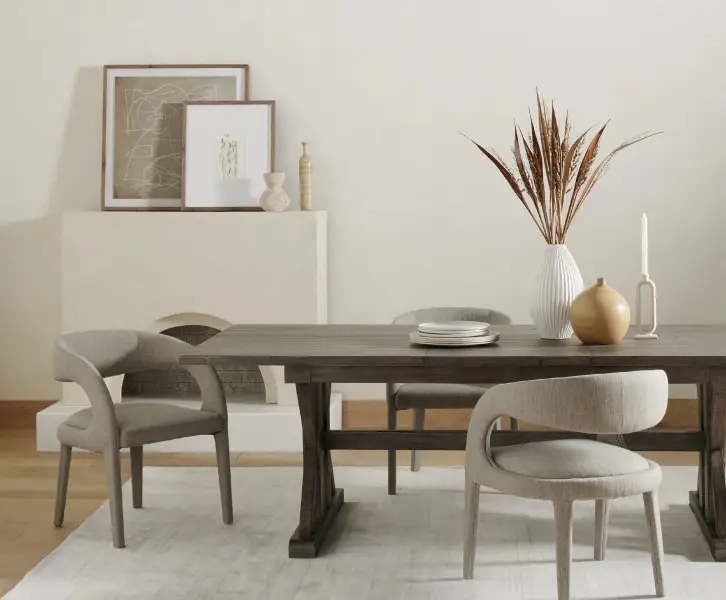
Comfort is easy to overlook when you're focused on colors, materials, and matching styles. But it’s one of the most important parts of choosing the right chair. After all, it doesn’t matter how good a chair looks if no one wants to sit in it.
Think about seat depth and cushioning. A deeper seat can feel more relaxed, while a firmer, shallower seat usually feels more upright and formal.
Then there’s the question of arms. Armchairs provide extra support and structure, but they take up more space. If your dining area is tight or you want more flexibility, armless chairs might be a better fit. For bigger tables, armchairs can work well at the ends to anchor the space.
Comfort doesn’t mean oversized or bulky. It just means finding the shape and support that fits how you use the space.
-
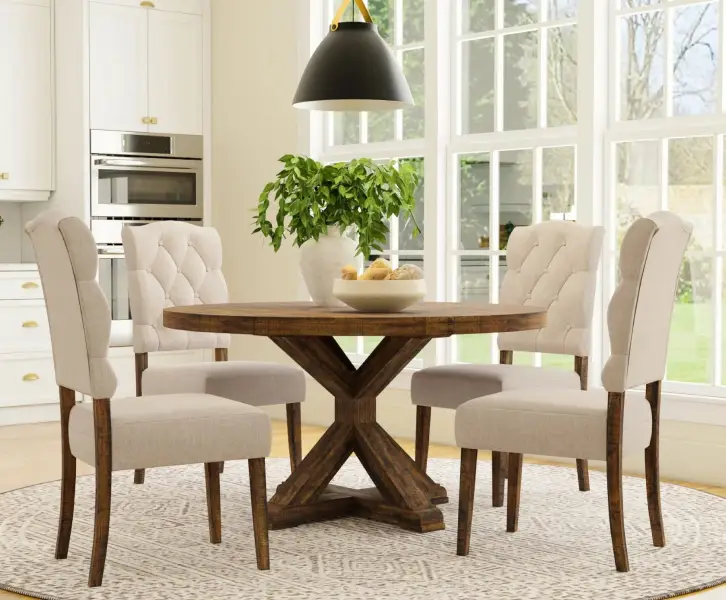
There’s no rule that says your dining chairs have to match your table, or even each other. Matching dining sets might be more traditional, but mixing styles can add depth and personality to your dining room.
For a creative mix, try combining different materials. For example, a wooden table with upholstered chairs will create a balance between hard and soft textures. You can also mix shapes, like using curved chairs around a square or rectangular table to break up the lines.
If you're working with limited space, a dining bench can be a smart alternative to extra chairs. It takes up less room visually and can slide under the table when not in use.
You can also play with hierarchy. Try using armchairs or upholstered host chairs at the ends of the table, and keep side chairs more minimal.
-
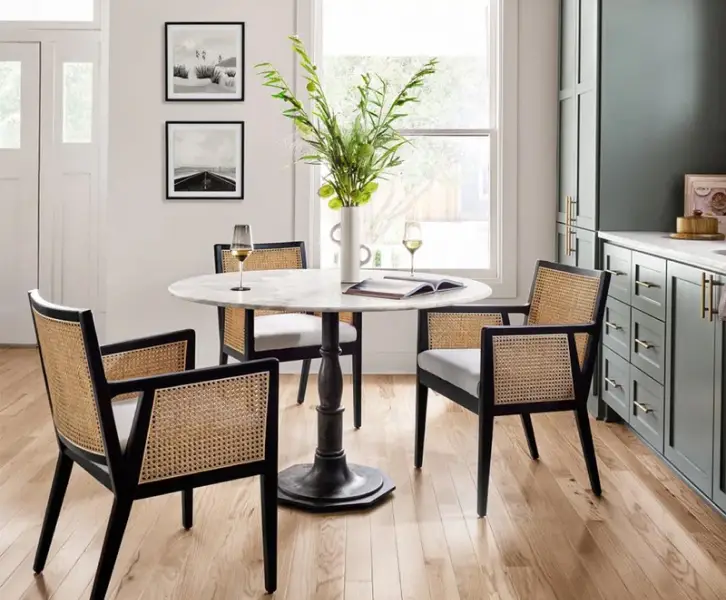
Solid back chairs have a clean, uninterrupted silhouette that works well in modern or minimal interiors. They create a more formal feel and are a good choice if you want something streamlined and simple. Pair them with a glass or marble table for a polished look.
-
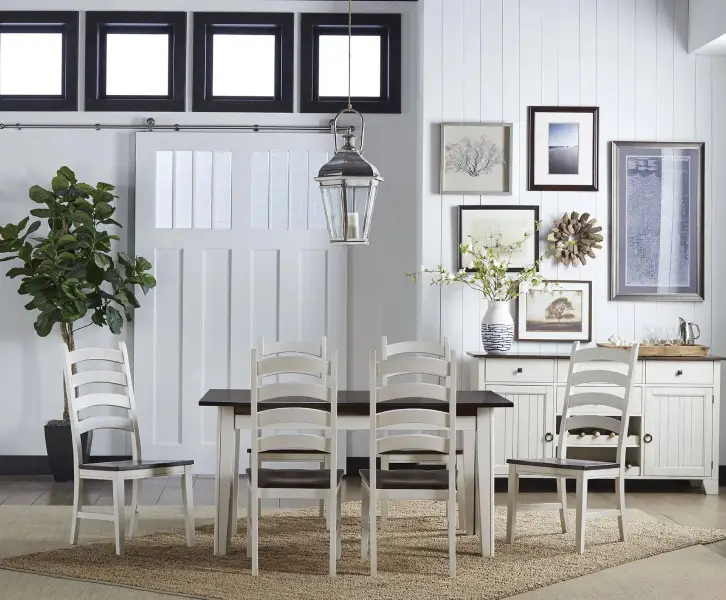
Ladder back chairs lean casual and classic. The horizontal slats add a relaxed, farmhouse feel, especially when paired with a wood table in a natural or distressed finish. They're also a good way to add visual interest without going bold on color or shape.
-
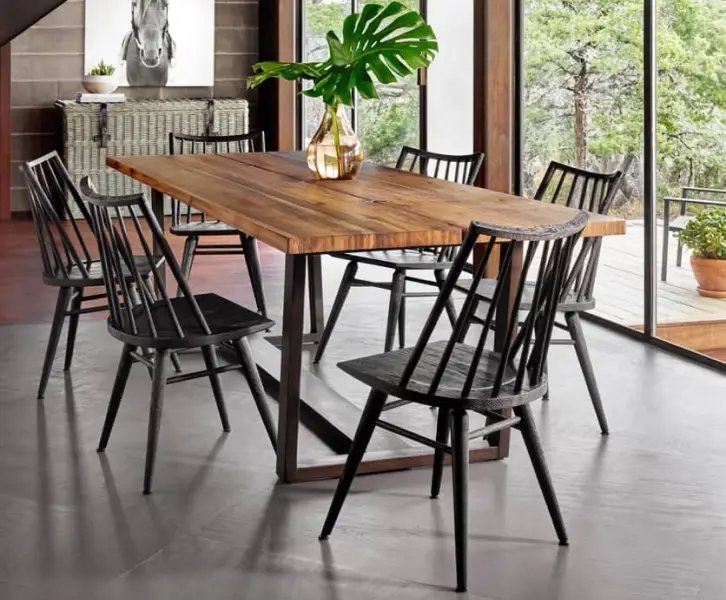
Windsor back chairs are a design classic. With their rounded spindle backs, they can go rustic or modern depending on the finish. For example, black Windsor chairs around a light wood table create an attractive contrast and balance in an open-concept dining space.
-

Similar to the windsor design, slat back chairs are a safe middle ground between traditional and contemporary. They work especially well in rooms that already have strong horizontal elements, like long tables or built-in shelving.
-
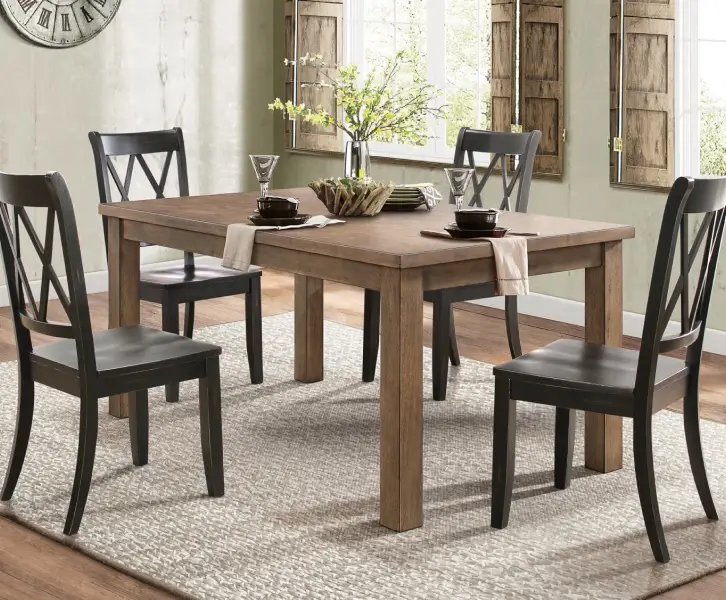
Cross-back chairs have an X-shaped design that is a staple in rustic, farmhouse, and French country spaces. They also work in coastal or casual modern settings. The crossed frame adds detail without being fussy, and it pairs well with wood or stone tables in natural finishes.

Start with how you use your space. Do you eat quick dinners or host long ones? Do you want something sleek or soft? From there, make sure the scale works with your table, and pick a material that fits your lifestyle. The “perfect dining chair” really just depends on your own personal preferences.
There’s no rule, but contrast can often look better than an exact match. Light chairs around a dark table (or the other way around) give the space more depth. If everything’s the exact same tone, you risk the space feeling flat.
A good go-to is a slat back chair in a neutral finish. It’s simple, versatile, and plays well with a range of tables and room styles. If you want something that holds up over time, both in durability and looks, a slat back like our Skempton dining chair is a safe bet.
For families, consider skipping light fabrics and going for materials that wipe down easily, like wood, faux leather, or even metal. Upholstery can work well if it’s durable and stain-resistant, but otherwise, it’s not worth the stress.
Check the measurements: seat height, seat depth, and back height all matter. Look for reviews that mention how it feels to sit in, and pay attention to whether the seat is cushioned or firm. If you’re unsure, look for chairs with a little give in the back or a soft seat, since they’re usually safer bets.


