Inspiration
6 Timeless Living Room Layout Ideas
Trying to figure out the right living room layout can feel like solving a puzzle with missing pieces. The couch won’t fit where you thought it would, the chairs look weird at an angle, and suddenly you're questioning every design decision you've ever made.
You’re not alone. Some living rooms weren’t even built with furniture in mind. Between off-center windows, too many doorways, and focal points that compete for attention, it’s easy to feel stuck. But a good layout doesn’t have to be complicated.
We’ve compiled six tried-and-true living room layout ideas to inspire your design. They make sense, they look pretty, and they’re easy to tweak for whatever shape room you’re working with. We’ve also found a few layout fixes for long, open, or awkward spaces.
Let’s get your living room working with you!
Key Takeaways
-
The right living room layout makes a space feel more open, functional, and comfortable.
-
Your furniture layout can be easily adapted to fit different room sizes and shapes.
-
Start by identifying your focal point and planning clear walking paths.
-
Optimizing your layout is the first step to making your space feel 100% like home.
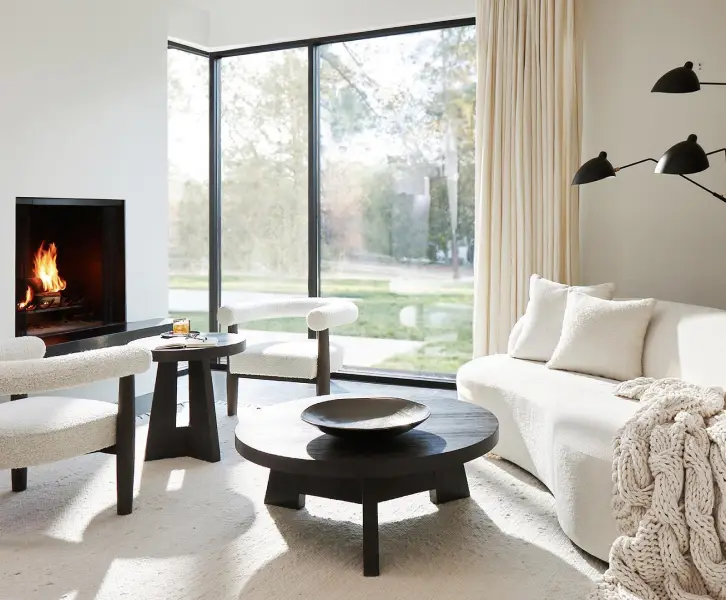
1. Pair of Angled Chairs with a Sofa
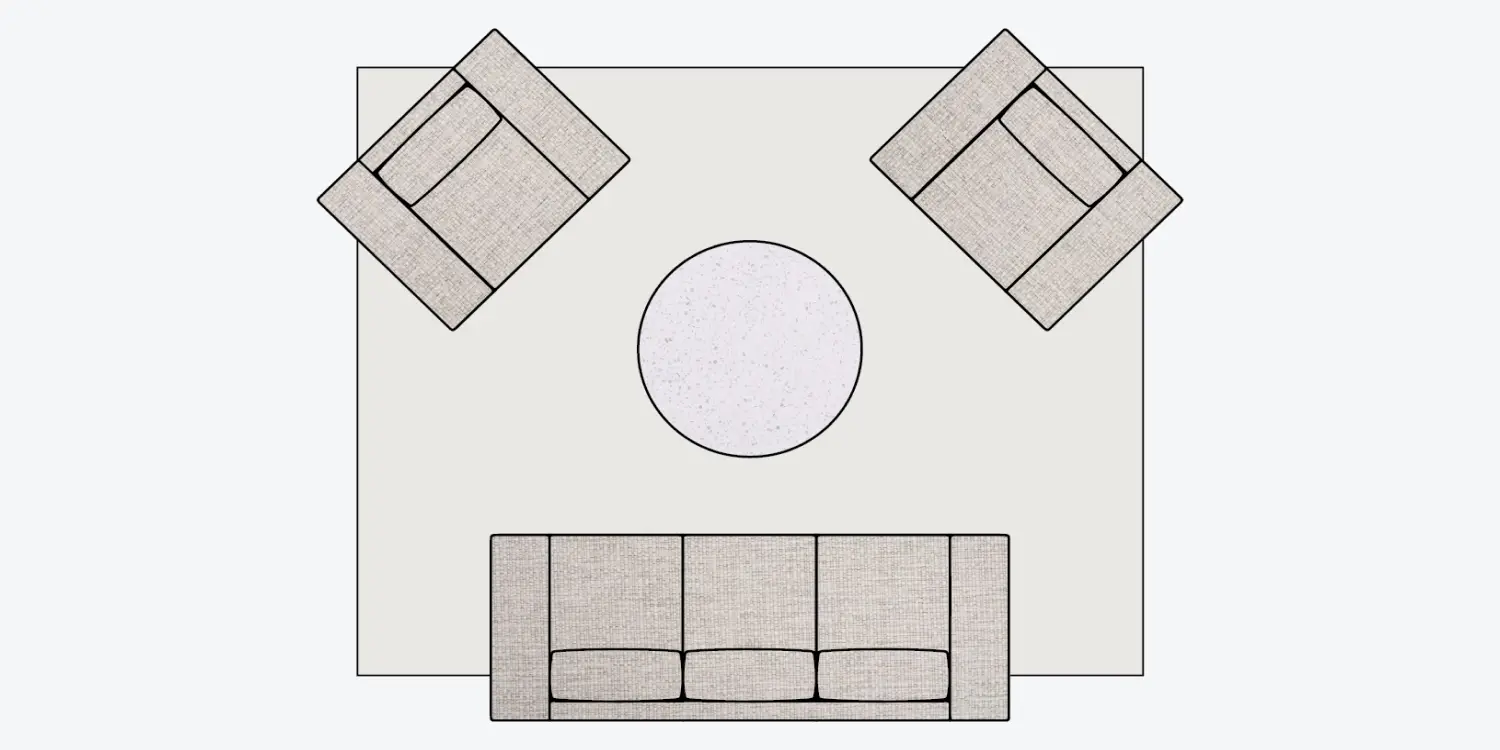
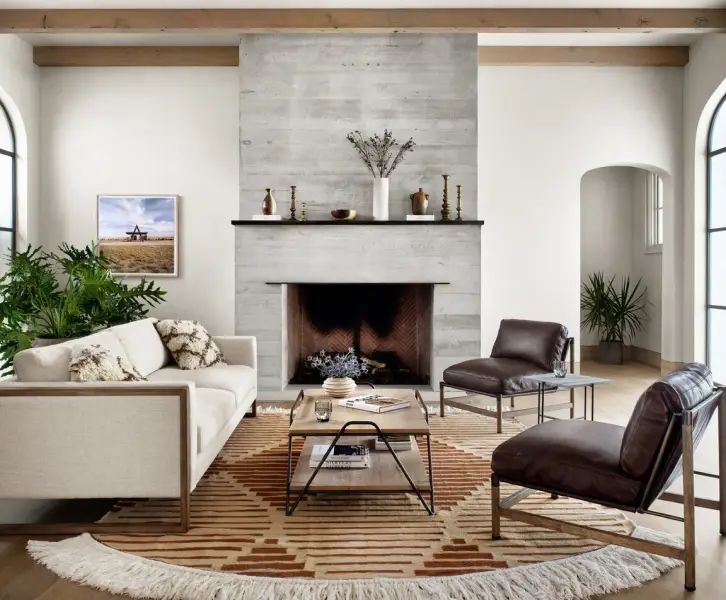
This layout works in more rooms than you’d think. Place two chairs at an angle across from a
standard sofa to create a flexible setup that feels relaxed but intentional. Angled chairs help soften a square layout, open up tight corners, and can make better use of awkward spaces near windows or fireplaces.
It’s a great setup for conversation and works especially well when you don’t want your furniture lined up like a waiting room. If your room has multiple entry points, this layout also helps with flow since the angles naturally guide movement around the seating area.
Use a rug to anchor the space and a
coffee table to center the arrangement, just be sure to leave enough clearance for easy walkways. This layout adapts well to both small and medium-sized living rooms.
2. Two Sofas Facing Each Other
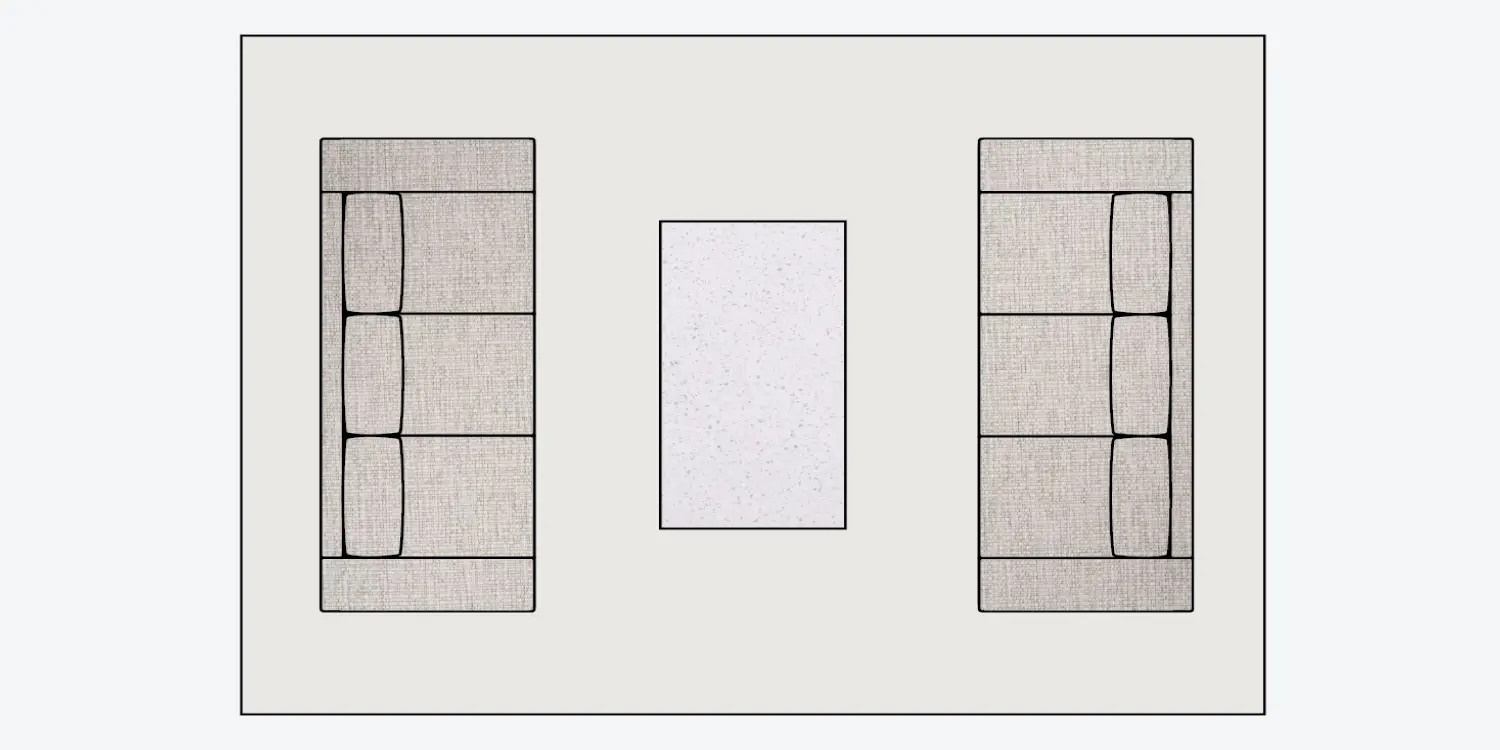
If your living room has the space for it, this layout creates structure and balance in one easy move. Placing two sofas directly across from each other creates a natural focal point in the center, perfect for a coffee table,
ottoman, or fireplace. It also makes conversation feel more relaxed and inclusive, since no one has to turn or twist to engage.
This setup works especially well in long or open-plan rooms that need definition. Two sofas can help visually anchor the living area without adding clutter. It’s also a great option for more formal spaces or for anyone who loves hosting. Everyone gets a good seat, and the symmetry just feels polished.
You don’t need identical sofas to pull this off. Feel free to mix styles or materials — a fabric sofa across from leather, for example — as long as the scale and seat height are similar. If you’re working with limited width, consider apartment-size or armless sofas to keep the footprint manageable.
To keep the space functional, allow at least 30–36 inches between the sofas for comfortable movement, especially if you’re adding a coffee table. And if you’re arranging around a TV, this layout still works, just make sure to position the screen on a side wall or above the fireplace, with both sofas angled slightly inward if needed.
3. Sofa and Loveseat with Chairs in a “U”
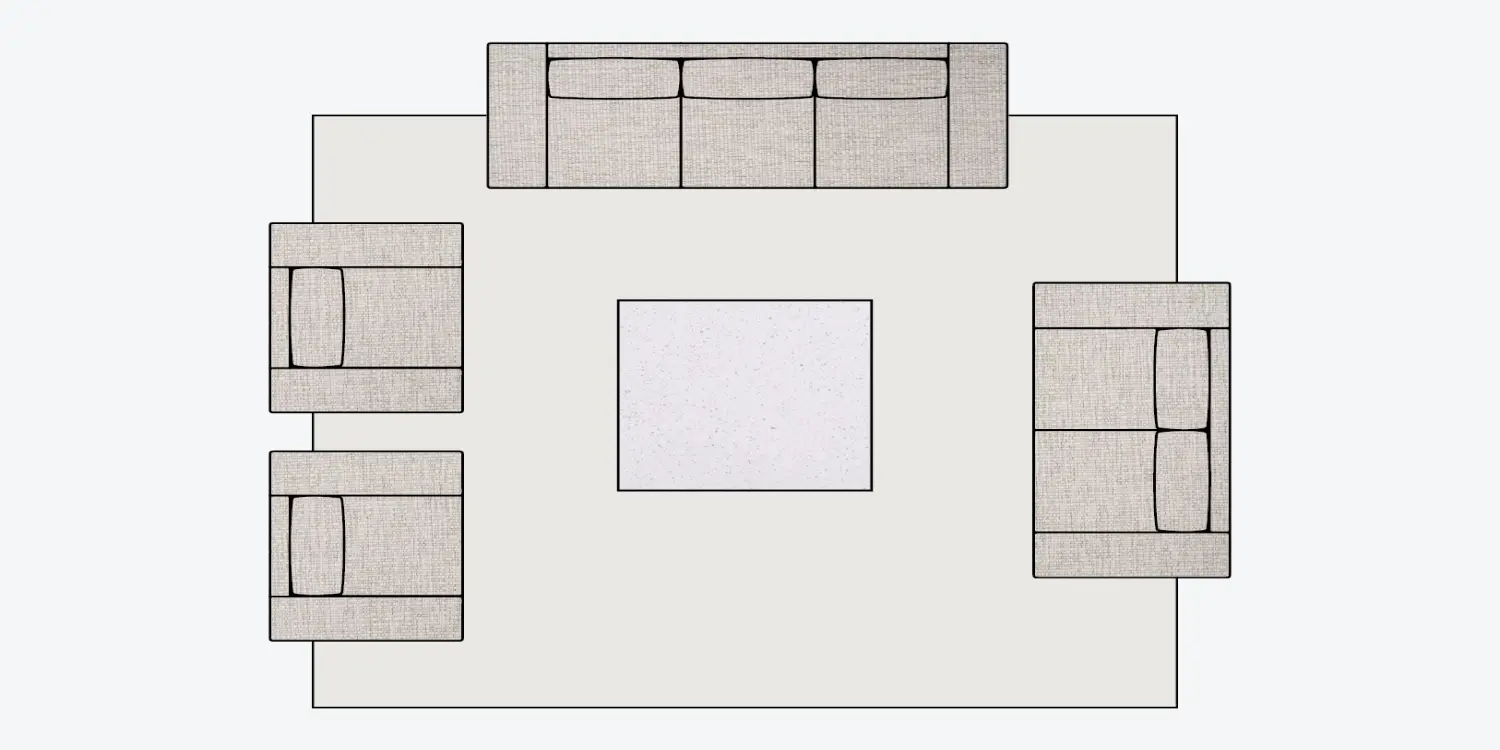
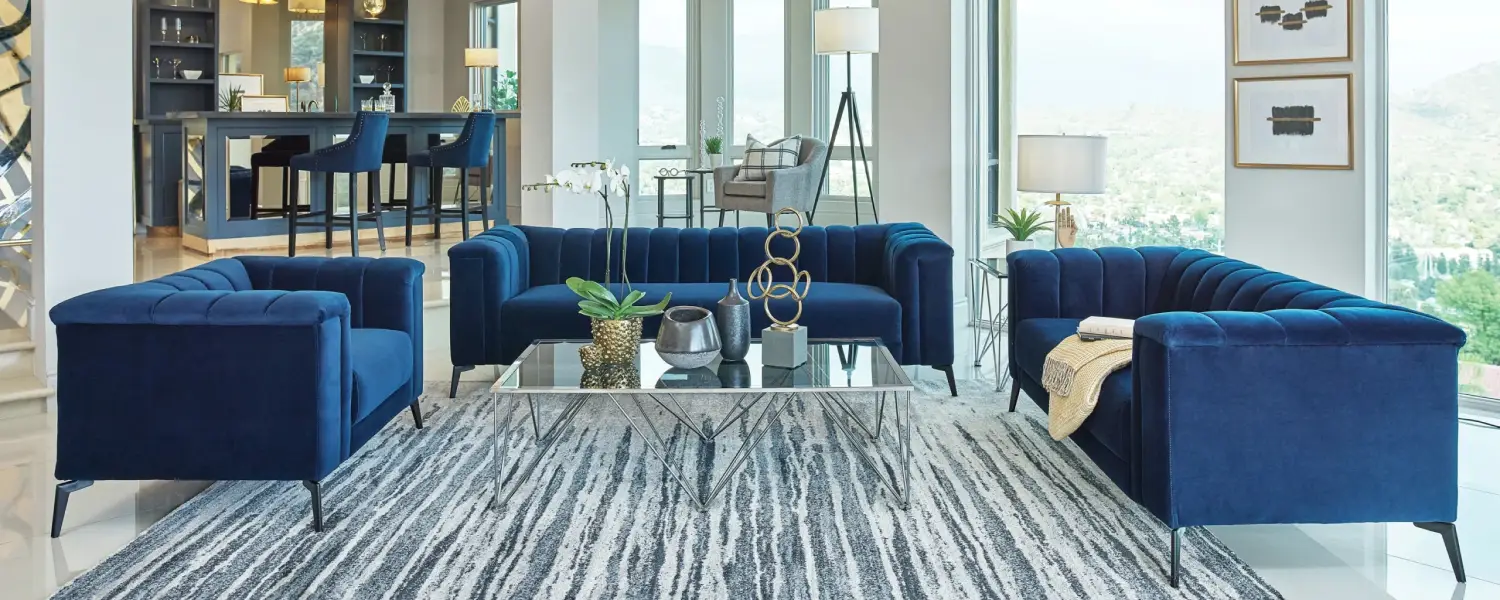
This layout helps create a cozy, conversation-friendly zone without closing the space off completely. A sofa,
loveseat, and two chairs form a classic “U” shape that feels connected, balanced, and easy to navigate.
It’s especially useful in larger living rooms where one seating area might feel a little sparse. The U-shape helps define the space and makes it feel intentional. It’s also one of the best setups for entertaining or for households that need seating for five or more people regularly.
To avoid crowding, keep at least 18 inches between each seat and the coffee table. The open side of the “U” also helps with traffic flow, making this layout a strong choice for living rooms with multiple entry points or adjacent dining areas.
If you’re working with a tighter space, you can scale it down. Use a smaller loveseat or swap one of the chairs for an ottoman. The goal is to create a sense of enclosure without making it feel boxed in.
And if your living room doubles as a TV space, this layout adapts well, just make sure your main sofa is centered on the screen, and the loveseat is placed at a slight angle for a comfortable view.
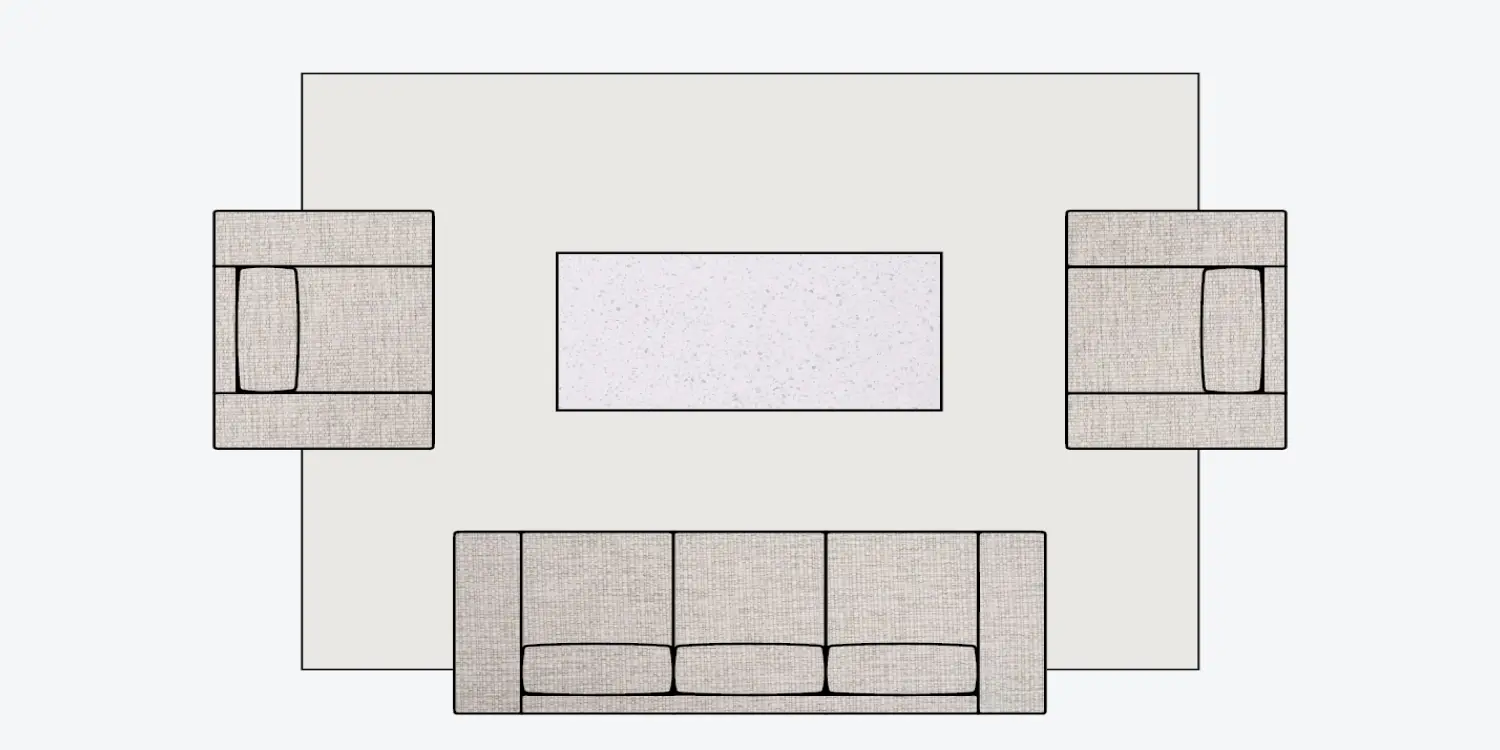
4. Chairs Flanking a Sofa
Sometimes, simple is the smartest move. Placing two chairs on either side of a sofa gives you a functional, symmetrical layout that works well in small and mid-size rooms. It also leaves the center of the room open, which is helpful if you’re dealing with tighter walkways or want more floor space for kids or pets.
This setup is often underestimated, but it’s one of the easiest ways to create balance without committing to bulky furniture. You get the comfort of a sofa plus the flexibility of movable seating. Add a rug and a centered coffee table to bring it all together.
It’s a solid choice for long or rectangular rooms, especially if the sofa sits against a wall or faces a focal point like a fireplace or TV. You can also layer in side tables and floor lamps for extra function without taking up much space.
If you want to keep things light and airy, go with open-frame or armless chairs. They visually take up less space and help the whole room feel more open.
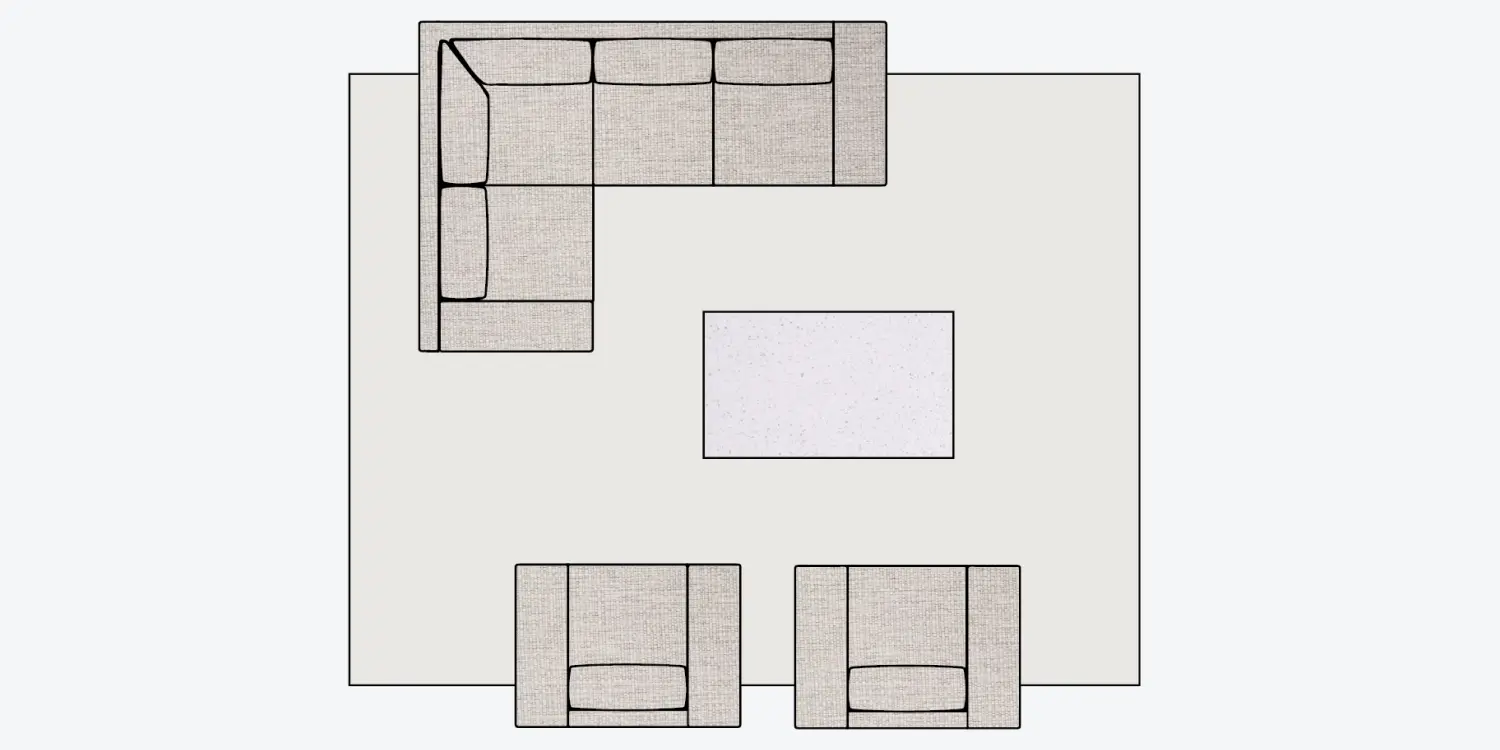
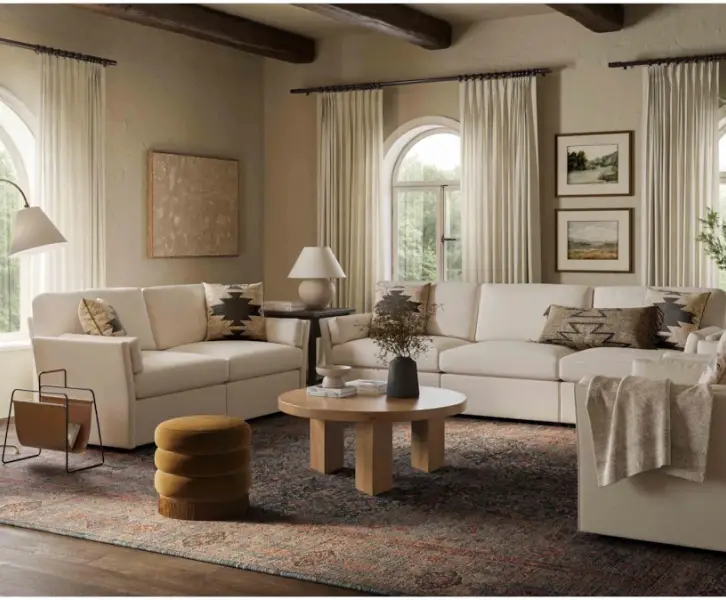
5. Sectional with Chairs
A
sectional is a layout solution all on its own, but pair it with a couple of chairs, and you’ve got a setup that’s relaxed and ready for company. This combination works best in larger living rooms or open-concept spaces where you need to anchor the area and still offer flexible seating.
The sectional defines the main zone, while the chairs can either complete the square or float nearby to keep the space from feeling too heavy on one side. This layout is ideal for families, movie nights, or anyone who just wants to stretch out without losing a sense of structure.
Position the chairs opposite the sectional or at angles, depending on your room's shape. If you’re working around a TV, keep the main viewing seats on the sectional and use the chairs as conversation spots. If the space is more about entertaining, create a loose square or circle to keep the layout social.
Spacing matters here. Make sure there's at least 18–24 inches between the sectional and chairs so the room doesn’t feel cramped. You can also layer in a coffee table or ottoman in the center to tie everything together. This layout is especially helpful in awkward or large rooms where furniture placement can feel a little too open-ended.
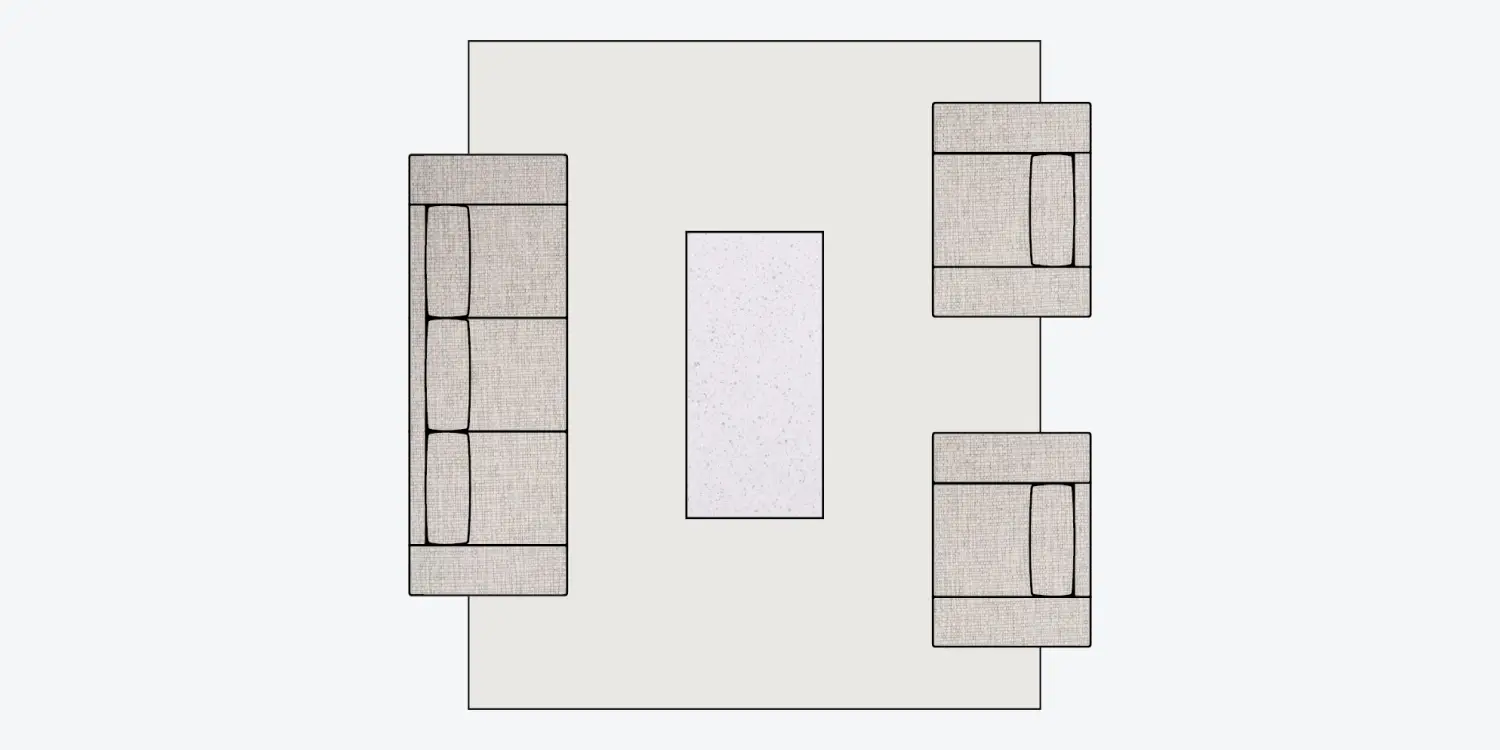
6. Sofa with Chairs Across from It
This is one of the most adaptable living room layout ideas out there. A standard sofa with two chairs across from it creates balance and opens up the space. This layout works for almost any room shape, especially square or mid-size spaces.
The chairs add flexibility and can easily be angled or moved to shift the flow or adjust for guests. Unlike two sofas facing each other, this setup takes up less space but still gives you the symmetry and conversational comfort that the layout offers.
This arrangement also plays well with a TV. Mount the screen above a fireplace or on the wall behind the chairs, and angle the seating as needed for viewing. Or, keep the focus on the center of the room by using a large rug and coffee table to ground the layout.
If your space is tight, go for slipper chairs or open-back styles to keep the room feeling airy. And if you’re working with a larger area, adding side tables,
poufs, or a bench can help fill in gaps without cluttering things up.
Layouts for Open Floor Plans
Open floor plans mean a lot of creative freedom, but just as many chances to get overwhelmed. With no obvious walls or room dividers, it’s a challenge to figure out where the living room ends and everything else begins. The fix? Use your furniture to create boundaries. Here are a couple of examples to consider.
-
A sectional or a sofa with its back to the rest of the space can define the living area without putting up walls. Rugs are another go-to tool. Anchoring your seating on a large area rug instantly makes it feel like its own space, even in the middle of an open layout.
-
Use versatile pieces that can multitask. A console table behind the sofa can double as a drop zone or room divider. Ottomans can work as extra seating or a coffee table. Floating poufs can be pulled into different zones as needed.
-
Lighting matters too. In open spaces, overhead lighting tends to be shared across zones, so use floor lamps or table lamps to give your living area its own mood. It helps make the space feel grounded — like a room within a room.
When your layout is intentional, an open floor plan becomes an advantage. You just have to give each zone a job and make sure the furniture supports it.
Layouts for Narrow or Long Rooms
Long or narrow living rooms can be tricky. There’s often too much empty space on one side, or the furniture feels like it’s pushed into a hallway. But with a few layout adjustments, these spaces can actually work in your favor. Here are a few examples to guide your inspiration.
-
Try floating your furniture away from the walls. Pulling a sofa forward and placing a console or bench behind it gives the space depth and keeps it from feeling like everything’s been pushed to the edges. Chairs and accent tables can then be used to fill in dead zones or awkward corners.
-
For narrow spaces, skip oversized pieces and go for clean-lined furniture with a smaller footprint. Armless chairs, apartment-sized sofas, and nesting tables can all help the room breathe while still offering comfort and function.
-
If you’re working with a long room that connects to other areas, like a dining room or kitchen, use the layout of your furniture to create a natural visual stop. Position your main seating around a focal point (like a fireplace or media wall), and let everything else flow from there.
Narrow living rooms aren’t always easy, but with the right furniture and a clear plan, yours can become your favorite space in the house.
How to Arrange Living Room Furniture
A great layout starts with a plan. Before you move anything, take a few minutes to map out your space. A little strategy on the front end can save you from a lot of measuring, shifting, and regretting later.
Measure your space and leave room to move
Know your room’s dimensions and the size of your furniture. You don’t need to break out architectural drawings, but accurate measurements help you avoid common layout mistakes. Leave at least 18 inches between seating and coffee tables, and aim for 30–36 inches of walkway space where people need to move freely.
Find your focal point
Every living room has one, or needs one. It could be a fireplace, a picture window, or your
TV stand. Once you’ve picked your focal point, orient your main seating toward it. This keeps the layout grounded and helps everything else fall into place.
Balance seating with surfaces
No one wants to reach across the room for their drink. Try to give each seat access to a side table, coffee table, or ottoman. This makes the layout feel finished — and much more comfortable.
Keep walkways clear
As we’ve mentioned, it’s all too easy to overload a living room with furniture. If you’re tripping over chairs or side tables, it’s time to scale back. Floating furniture a few inches off the wall, skipping bulky arms, or choosing open bases can make a big difference in how open the room feels.
Planning the layout is just as important as picking the right pieces. When you get it right, the whole room works better and feels better to live in.
Create Your Dream Living Room with Coleman Furniture
Once you’ve got your layout figured out, the fun part starts: choosing the pieces that bring it all together. From sectionals and loveseats to accent chairs and coffee tables, Coleman Furniture has everything you need to build a space that fits your life and your style.
Not sure where to start? Browse by room, explore curated collections, or filter by size, shape, and layout. Whether you're furnishing a cozy apartment or a spacious open plan, you’ll find options that make planning your layout a whole lot easier.
Living Room Layout Ideas FAQs