


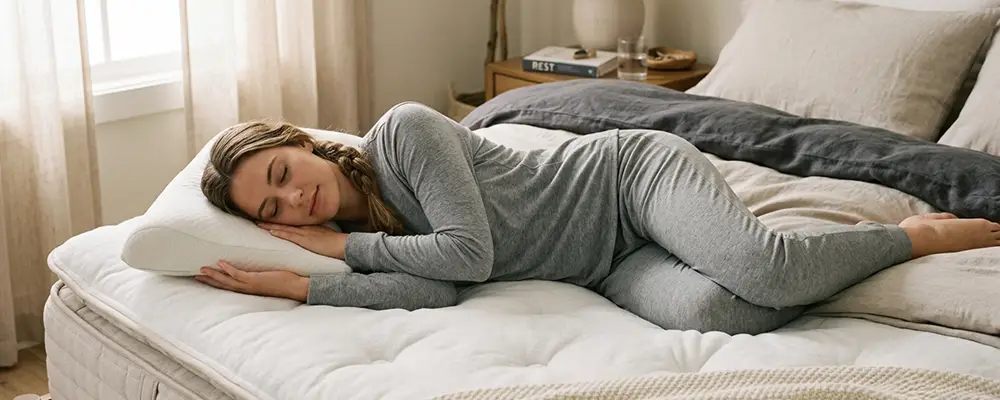
Best Beds for Side Sleepers: How to Choose
The best beds for side sleepers come down to one combination: a medium to medium-firm mattress with enough contouring to cushion the shoulder and hip, and enough support underneath to keep the spine level. Here's how to find that combination, whichever mattress type you land on. Side sleeping puts more pressure on fewer contact points than any other position—mostly your shoulder and hip—which means a mattress that's too firm leaves you with pressure points and morning stiffness, while one that's too soft lets your midsection sink and your spine curve out of alignment. The best beds for side sleepers land in a medium to medium-firm range, roughly 5 to 6 out of 10 on the standard firmness scale, with a contouring comfort layer over a supportive core. This guide walks through how to find the right firmness for your body weight, which mattress types actually deliver on pressure relief, what zoned and edge support do for side sleepers specifically, which cooling features matter if you sleep hot, and what to check in a sleep trial and warranty before you buy.Key Takeaways
- Most side sleepers do best with a medium to medium-firm mattress (roughly 5–6 out of 10) to cushion the shoulders and hips without losing spinal support.
- Memory foam and latex hybrids contour closely for pressure relief, while zoned coil hybrids add extra support under the hips and lower back.
- Sleep trial length and warranty terms vary widely, so check both before buying—not just the price.
Choosing the Right Firmness for Spinal Alignment
Firmness is the single biggest factor in mattress comfort for side sleepers, and it's also the one shoppers most often get wrong by defaulting to whatever feels firmest in the showroom. Most side sleepers do best in the 5 to 6 out of 10 range on the standard 1-10 firmness scale, where 1 is the softest and 10 is the firmest. Heavier sleepers tend to need something closer to a 6, since more body weight compresses foam and coils further, while lighter sleepers often do better around a 5, where a firmer mattress wouldn't compress enough to cushion the shoulder and hip.
Why Neutral Spinal Alignment Matters for Side Sleepers
When you lie on your side, your shoulder and hip are the widest points of your body, and they need to sink slightly into the mattress so your spine stays level from your neck to your tailbone. A mattress that's too firm won't let the shoulder and hip sink at all, so the waist stays propped up and the spine bows upward—the shoulder-hip-sinkage relationship that's behind most side-sleeper morning stiffness and soreness. A mattress that's too soft lets the heavier midsection sink further than the shoulder and hip, pulling the spine out of alignment in the opposite direction.
Quick Self-Check
Lie on your side on your current mattress and slide a hand into the gap at your waist. If your hand slides in with room to spare, the mattress is too firm and isn't cushioning your hip enough. If there's no gap at all and your hand is pinned, the mattress is too soft and your spine is likely sagging out of alignment.
Firmness Ranges by Body Weight
Body weight changes how much any given mattress compresses, so the right firmness for you depends on where you fall on the scale below.
| Body Weight | Recommended Firmness | Why |
|---|---|---|
| Under 130 lbs | Medium-soft (4-5 out of 10) | Lighter frames need a softer surface to sink in enough for shoulder and hip relief |
| 130-230 lbs | Medium (5-6 out of 10) | The standard side-sleeper range—enough give for pressure relief, enough support for alignment |
| 230+ lbs | Medium-firm (6-7 out of 10) | Heavier frames compress foam and coils further, so a firmer base prevents excess sinkage |
How the Right Mattress Relieves Shoulder and Hip Pressure
Pressure relief is a physical outcome, not a marketing term: it means reducing the point-load at your shoulder and hip so blood flow isn't restricted while you sleep through the night. Side sleepers have more concentrated weight on fewer contact points than back or stomach sleepers, which is exactly why the best mattress for side sleepers needs a contouring comfort layer, not just a supportive core. A common question is whether side sleepers need firm or plush—the honest answer is both, in the right places. A plush comfort layer on top handles pressure relief at the shoulder and hip, while a firmer support core underneath keeps the rest of the body properly aligned.
Contouring Materials That Cushion Pressure Points
Memory foam contours slowly and closely, molding around the shoulder and hip and holding that shape for deep, even pressure relief. Gel memory foam does the same close contouring but with gel infused into the foam to pull heat away from the body as it compresses. Latex contours faster and with more bounce than memory foam, offering pressure relief with a springier feel and quicker response when you shift positions during the night.
Signs Your Current Mattress Isn't Relieving Pressure
- Numbness or tingling in the shoulder or arm you sleep on most often, a sign of restricted blood flow from a surface that's too firm
- Morning hip or lower back soreness that eases within the first hour of being up and moving, which usually points to pressure points rather than a structural problem
- Frequent tossing and turning to find a comfortable position, a sign the mattress isn't cushioning your pressure points enough to let you settle in
Is it discomfort or is it just age? Not every restless night means the wrong mattress—sometimes it just means an old one. Sagging, visible body impressions, or a mattress that's crossed the 7-8 year mark are signs it's simply worn out rather than a poor match. For a full breakdown of how long different mattress types last and when to start shopping, check out our guide: How Long Do Mattresses Last?
Best Mattress Types for Side Sleepers: Memory Foam vs. Hybrid vs. Latex
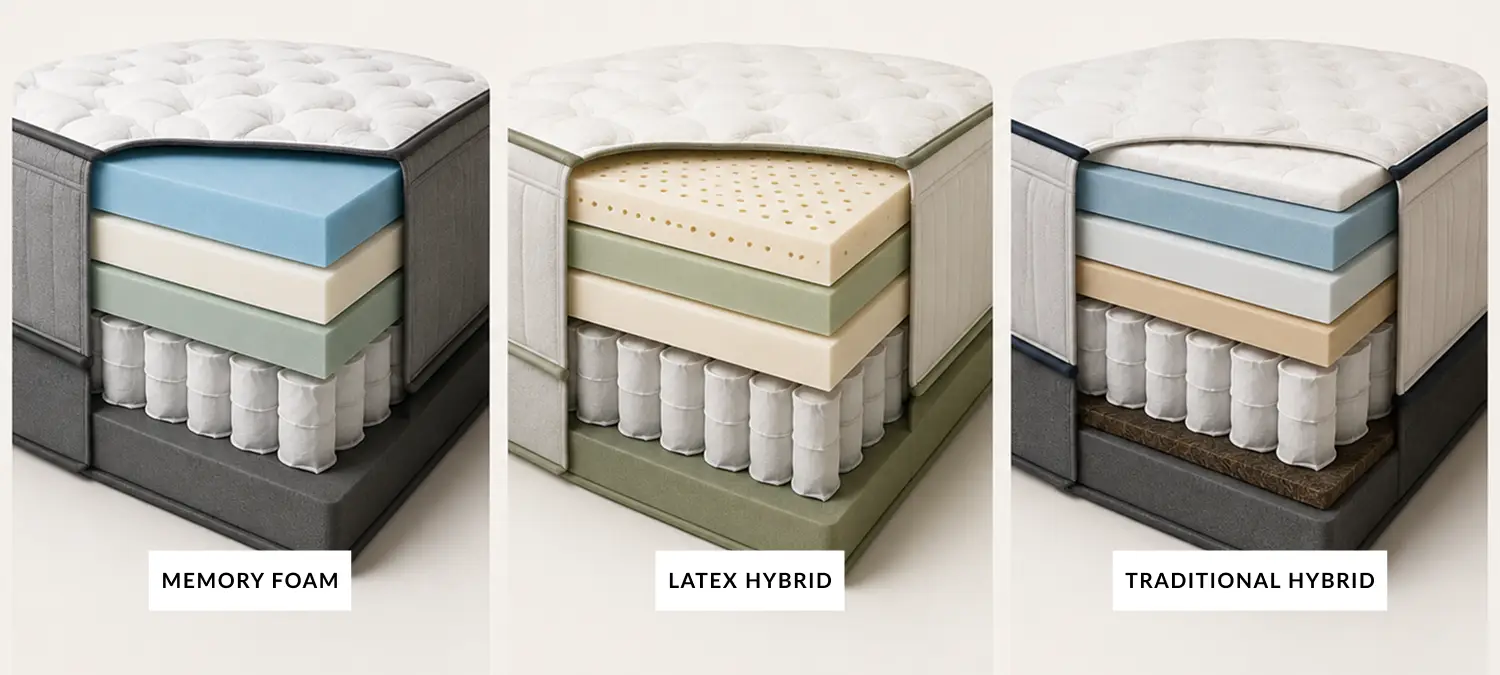
Once you know your firmness range, the next decision is construction. Among the best beds for side sleepers, there's no single best mattress type for side sleepers that wins across the board—memory foam, latex hybrid, gel memory foam, and traditional innerspring or hybrid builds each solve for a slightly different priority.
Memory Foam and Latex Hybrid Contouring
All-foam memory foam mattresses and latex hybrids are the most common picks for side sleepers who prioritize pressure relief above all else. Memory foam delivers the deepest, slowest contouring and is a strong fit for anyone sleeping solo who wants a quiet, motion-isolating surface. Latex hybrids pair that same contouring with a coil support core, which adds a bit more bounce and helps the mattress breathe better than dense all-foam construction.
Innerspring and Traditional Hybrid Support
Traditional innerspring and hybrid mattresses trade some of that deep contouring for more bounce and stronger edge support. They tend to suit combination sleepers—people who start on their side but shift to their back or stomach during the night—better than dedicated side sleepers, since the coil layer doesn't hug the shoulder and hip quite as closely as foam or latex.
All three core construction types—memory foam, hybrid, and latex hybrid—are in Coleman's active mattress catalog, so once you've settled on a type, you can filter directly by it in the mattress collection rather than guessing from product photos alone.
Zoned Support and Edge Support for Side Sleepers
Beyond firmness and material, two construction details make a noticeable difference for side sleepers specifically: zoned coils and edge support.
What Zoned Coils Do Differently
Zoned coil systems use softer coils under the shoulders and firmer coils under the hips and lower back, rather than a single uniform coil gauge across the whole mattress. That tuning lets the shoulder sink in for pressure relief while the hips and lower back get the firmer support they need to stay level—the same shoulder-hip balance that matters for spinal alignment, built directly into the coil layer instead of relying on the foam alone.
Why Edge Support Matters for Getting In and Out of Bed
Side sleepers tend to sit on the edge of the mattress more than back or stomach sleepers do, simply because rolling to the edge to get up is a more natural motion from a side position. Reinforced perimeter coils keep that edge from collapsing under your weight, which matters every time you sit down to put on shoes or get up in the middle of the night. If you're also considering a base that adjusts, an adjustable frame can add another layer of positioning support on top of the mattress itself—worth a look in Coleman's best adjustable beds guide if you want head or foot elevation as part of your setup.
Cooling and Breathability Features to Look For
Side sleepers have more body-to-mattress contact than back sleepers do—the shoulder, hip, arm, and often a leg are all pressed against the surface at once—which tends to trap more body heat over the course of the night. If you run warm while you sleep, cooling construction is worth prioritizing alongside firmness and type.
Gel-Infused Foams and Open-Cell Designs
Gel-infused foam pulls heat away from the body as the gel particles absorb and disperse warmth rather than trapping it in the foam. Open-cell foam structures use a more porous internal design that lets air move through the material instead of holding heat close to the surface, both of which reduce the warmth build-up that dense, closed-cell foam is known for.
Hybrid Coil Airflow vs. All-Foam Builds
Hybrid mattresses with a coil support core breathe better than all-foam builds by design, since air can circulate through the open space between coils. All-foam mattresses contour more deeply and quietly, but that density is exactly what traps more heat. For hot sleepers, a gel-infused hybrid is generally the safer bet over a dense all-foam mattress, even if the all-foam option offers slightly deeper contouring.
Sleep Trial and Warranty: What to Check Before You Buy
Trial length matters more for side sleepers than it does for other sleep positions, because spinal alignment issues from the wrong firmness often don't show up in the first night or two—they surface gradually over several weeks as your body adjusts to a new surface. A trial period of at least a few weeks gives you enough time to notice whether shoulder or hip soreness is improving or getting worse.
Before buying, check these details in the warranty:
- Sagging depth threshold—the exact indentation depth (often ¾" to 1.5") that qualifies for a warranty claim
- Prorated vs. full replacement coverage—whether the warranty covers a full replacement throughout its term or shifts to a prorated cost after a certain number of years
- What voids the warranty—most warranties require use with a proper foundation or base, and using the wrong one can void coverage entirely
Trial and warranty terms vary by manufacturer and by mattress line, so confirm the specifics listed on the product page for whichever mattress you're considering before completing your purchase.
Top Mattress Picks for Side Sleepers at Coleman Furniture
Here are five of the best beds for side sleepers in Coleman's current in-stock catalog, each matching the firmness, type, and cooling guidance above, and each suited to a slightly different side-sleeper priority.
-
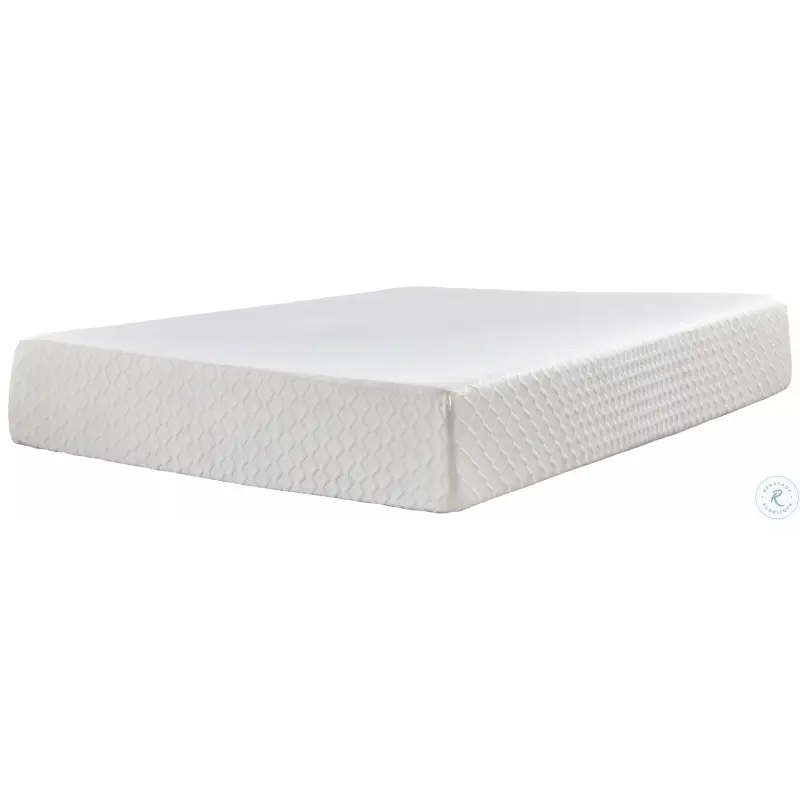
12" Foam Mattress
An all-foam medium-firm build that contours to the shoulder and hip at a value price point — a solid entry option for side sleepers on a budget.
Type: Memory foam · Size: Cal. King
Shop Now → -
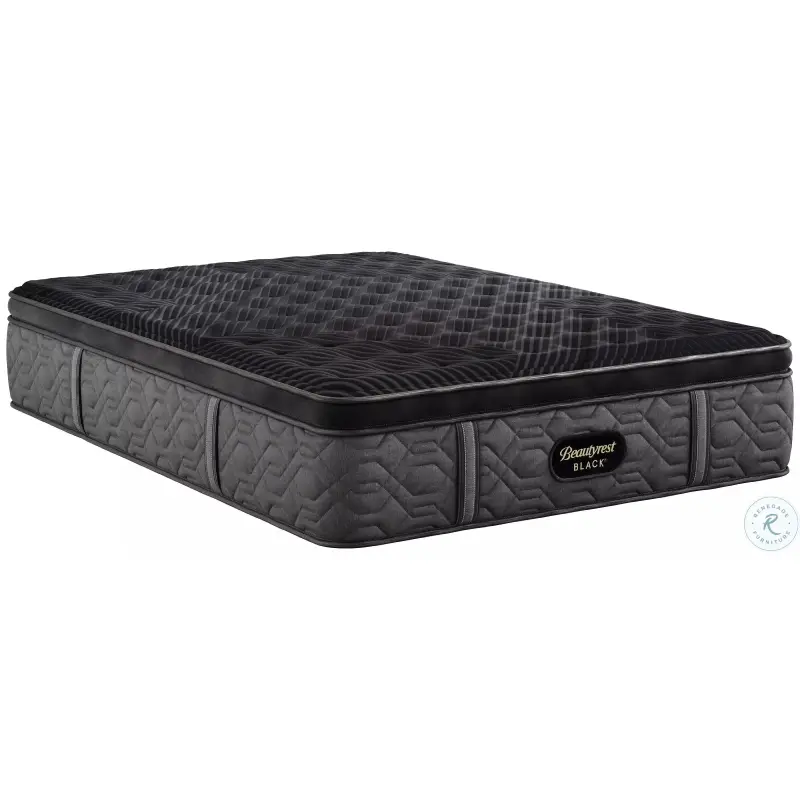
BRB 24-Series Firm Pillow Top Hybrid
A firmer hybrid with a plush pillow top over a supportive coil core — a strong match for heavier side sleepers who need more resistance under the hips.
Type: Hybrid, firm · Size: King
Shop Now → -
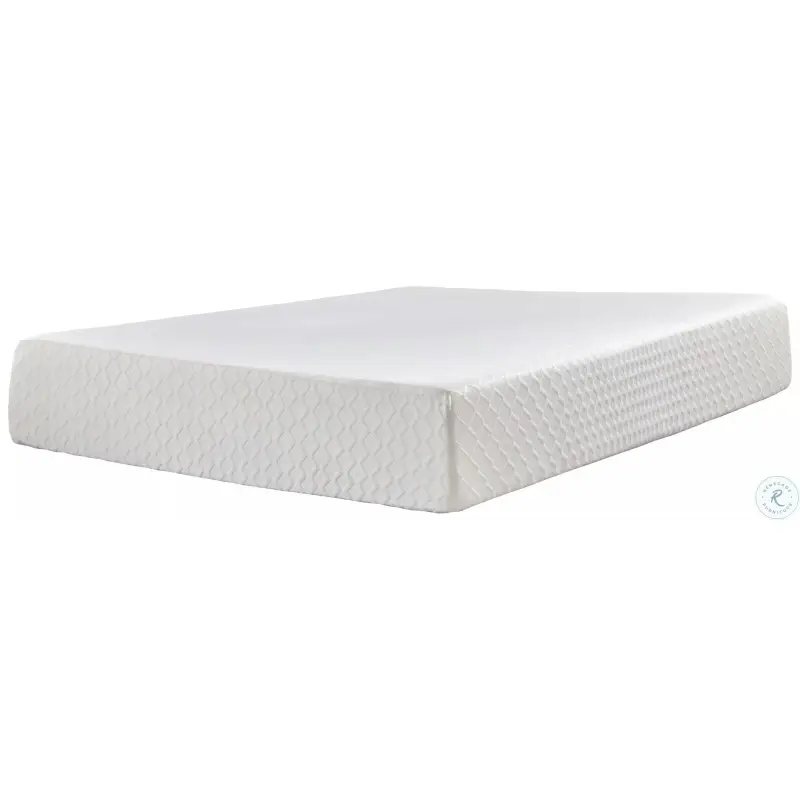
Chime Memory Foam 12" White California King Ultra Plush Mattress
A medium-firm hybrid that sits right in the standard side-sleeper range, with coil-driven breathability for anyone who sleeps a little warm.
Type: Hybrid, medium · Size: Queen
Shop Now → -
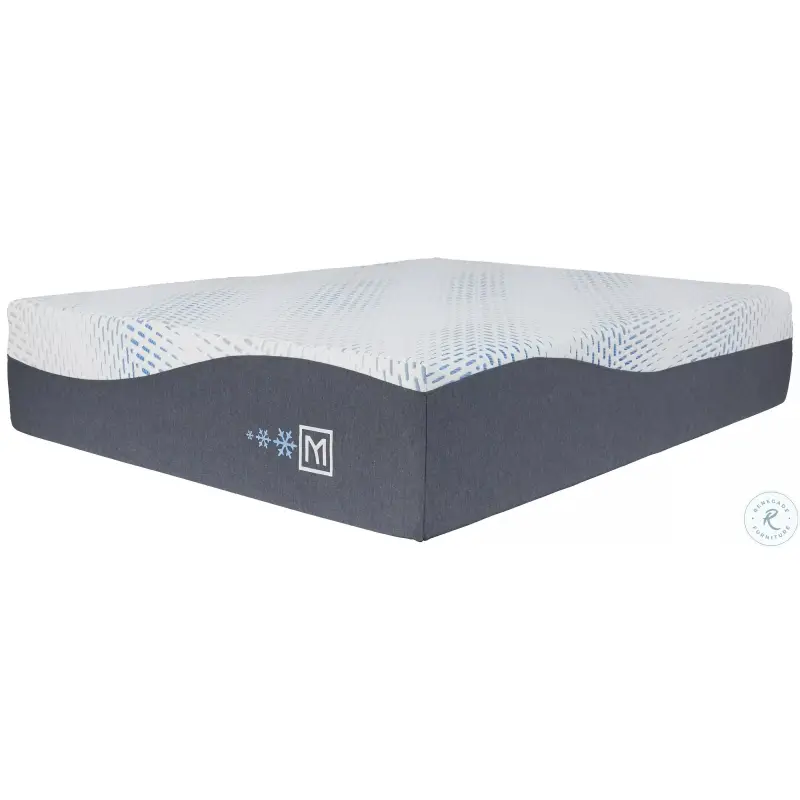
Millennium Luxury Plush Gel Latex Hybrid
A plush gel latex comfort layer over a hybrid core, built for deep shoulder and hip pressure relief with better temperature regulation than dense all-foam.
Type: Latex hybrid, plush · Size: King
Shop Now → -
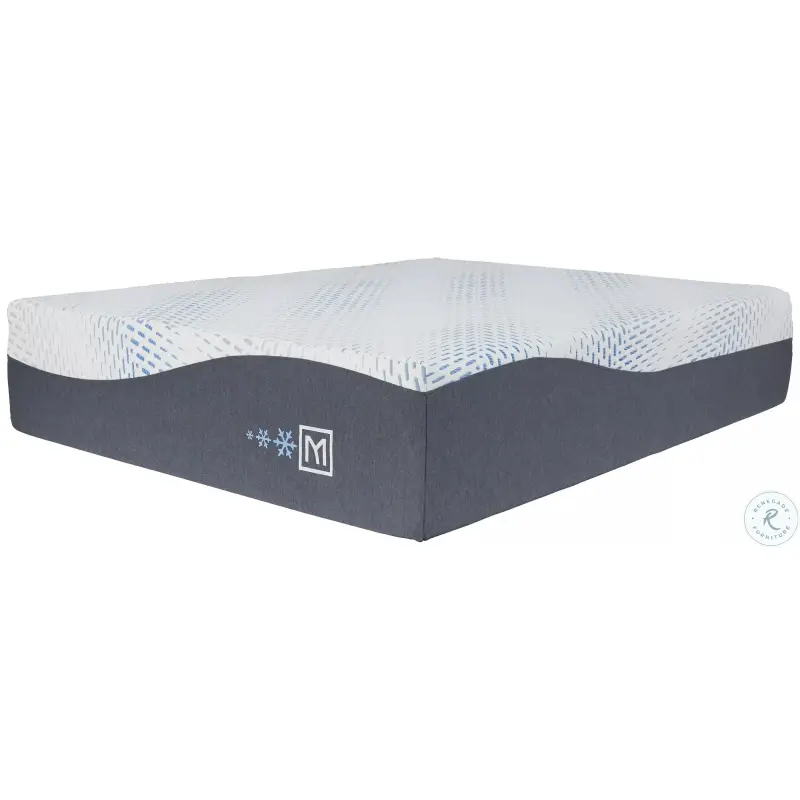
Millennium Luxury Firm Gel Memory Foam
An all-foam medium-firm build that contours to the shoulder and hip at a value price point — a solid entry option for side sleepers on a budget.
Type: Gel memory foam, firm · Size: Queen
Shop Now →
| Mattress | Type | Firmness | Size Available |
|---|---|---|---|
| 12" Foam Mattress | Memory foam | Medium-firm | Cal. King |
| BRB 24-Series Pillow Top | Hybrid | Firm | King |
| Chime Memory Foam 12" | Hybrid | Medium | Queen |
| Millennium Luxury Gel Latex | Latex hybrid | Plush | King |
| Millennium Luxury Gel Memory Foam | Gel-memory foam | Firm | Queen |
If none of these five match your exact size or firmness preference, the full mattress catalog lets you filter by type, firmness, and size to find the closest match to your own body weight and sleep style.
Frequently Asked Questions
Among the best beds for side sleepers, look for a medium to medium-firm mattress, roughly 5 to 6 out of 10 on the firmness scale, built with a contouring comfort layer over a supportive core. Memory foam, gel memory foam, and latex hybrid constructions all deliver that combination.
There's no single best type for every side sleeper—memory foam and latex hybrids offer the deepest pressure relief, while zoned coil hybrids add extra support under the hips and lower back. The right choice depends on your body weight and whether you run hot or cold at night.
Look for a medium to medium-firm mattress with contouring foam or latex at the shoulder and hip. Heavier sleepers generally need a firmer mattress in the 6 to 7 range, while lighter sleepers usually do better around a 4 to 5.
Both, in different layers. A plush comfort layer on top cushions the shoulder and hip for pressure relief, while a firmer support core underneath keeps the spine aligned. A mattress that's plush all the way through won't provide enough support, and one that's firm all the way through won't relieve pressure.
Not everyone, but it helps if you sleep hot. Side sleepers have more body-to-mattress contact than back sleepers, which traps more heat. Gel-infused foam, open-cell foam structures, and hybrid coil airflow all help offset that heat retention.