


Best Adjustable Beds for Back Pain, Comfort & Smart Features
The way we think about sleep has changed. More shoppers are looking for a bed that is multifaceted — one that supports reading, relaxing, watching TV, and sleeping, all without leaving the room. The best adjustable beds deliver exactly that kind of flexibility, and they've become one of the most-searched bedroom upgrades for good reason. Whether you're managing back discomfort, sharing a bed with a partner who has different sleep preferences, or simply want more control over your comfort, an adjustable base gives you options a traditional flat bed frame never could.
At Coleman Furniture, you can browse a wide range of adjustable beds across styles, brands, and price points — all with the practical buying guidance to help you choose with confidence.
Key Takeaways
- The best adjustable beds combine features like zero gravity positioning, massage, and customizable head and foot incline with durable, quiet construction.
- Budget, mid-range, and luxury tiers each offer different strengths — the right choice depends on your sleep needs, not the highest price tag.
- Adjustable beds can support back pain relief, reduced snoring, acid reflux comfort, and more flexible bedroom routines.
- Mattress compatibility, room size, and split options for couples are all important factors before buying.
- Comparing adjustable beds against other bed types — like platform beds — helps you make a more informed final decision.
What Makes the Best Adjustable Beds Stand Out
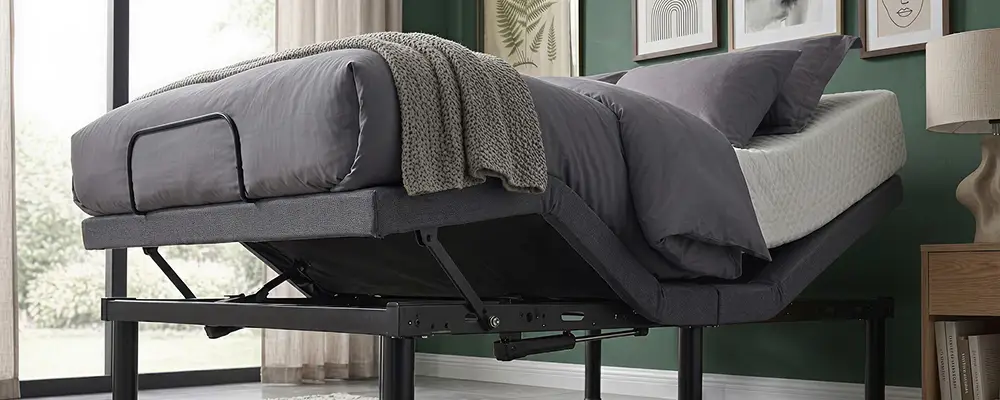
Not all adjustable bases are created equal. The features that separate a quality adjustable bed from a basic model come down to a handful of core capabilities — and how well those capabilities are built to last.
Head and Foot Adjustability for Personalized Comfort
The defining feature of any adjustable bed is its ability to raise and lower the head and foot of the mattress independently. This lets you shift from a flat sleeping position to a gentle recline for reading, elevate your legs for circulation support, or find a custom angle that simply feels right. The best adjustable beds offer head incline up to approximately 60 degrees and foot incline up to around 45 degrees, giving you a wide range of personalized positions throughout the day and night. These aren't just comfort options — for many sleepers, finding the right elevation is the difference between a restless night and real, restorative sleep.
Zero Gravity Positioning for Pressure Relief
Zero gravity is a positioning preset — not a gimmick. Originally developed by NASA to reduce stress on astronauts' bodies during launch, the zero gravity position elevates both the head and knees simultaneously, distributing body weight more evenly and reducing pressure on the lower back and joints. An adjustable bed with zero gravity positioning places the body in a neutral, slightly reclined angle where no single area bears disproportionate weight. Many sleepers report noticeably reduced back pain and faster onset of sleep when using this preset regularly. Look for models that include a one-touch zero gravity button for easy access.
Massage, Presets, and Everyday Convenience
Built-in massage functionality is one of the most appreciated features on mid-range and higher-end adjustable beds. Most models offer at least two to three intensity settings, with some providing wave-pattern or zone-specific massage options across the upper body and lower body separately. Wireless remotes — and increasingly, smartphone app controls — let you adjust your position or activate massage from bed without fumbling for buttons. Programmable presets are worth looking for, too; being able to save your preferred sleeping position and recall it with a single tap adds real daily convenience.
Quiet Motors, Sturdy Frames, and Long-Term Durability
A motor that whirs and groans every time you adjust your position defeats the purpose of a relaxing sleep environment. Quality adjustable beds use brushless DC motors or low-noise lift systems that operate nearly silently — important not just for your sleep but for your partner's as well. Beyond noise, a well-built frame should handle weight capacities of at least 600 to 750 pounds (combined for a King or Split King), move smoothly without wobble, and maintain structural integrity through years of daily adjustments. Steel frames with reinforced leg systems and center supports are a good indicator of long-term durability.
Why Adjustable Beds Appeal to Today's Sleepers

There's a reason searches for the best adjustable beds have grown year over year. Modern lifestyles — more time in bed, more awareness of sleep quality, more varied daily routines — have made adjustable sleeping surfaces genuinely useful for a wide range of people.
Better Support for Back Pain and Joint Discomfort
Back pain is one of the most common reasons shoppers search for the best adjustable bed for back pain. When lying flat, the lumbar spine loses its natural curve, which can increase pressure on discs and surrounding muscles. Elevating the head slightly — between 15 and 30 degrees — helps restore spinal alignment and reduces lower back strain. Elevating the legs can further decompress the lumbar region, which is why many orthopedic specialists recommend adjustable sleeping surfaces for patients dealing with chronic back issues, sciatica, or hip discomfort. While an adjustable bed isn't a medical device, the right positioning can meaningfully improve comfort and morning stiffness for many sleepers.
Improved Comfort for Snoring, Reflux, and Relaxation
Elevating the upper body — even just 7 to 10 degrees — can make a notable difference for sleepers who snore or live with acid reflux (GERD). When the head is slightly raised, gravity helps keep the airway more open and reduces the likelihood of soft tissue collapsing during sleep. For reflux sufferers, a slightly elevated torso helps prevent stomach acid from traveling back up the esophagus during sleep. These aren't dramatic inclines — the relief often comes from subtle, consistent elevation that a traditional flat mattress simply can't provide.
A More Flexible Bedroom Setup for Modern Lifestyles
Today's bedroom serves more functions than ever. Streaming, working from bed, video calls, late-night reading — all of these activities are more comfortable with adjustable head support. Rather than propping up a pile of pillows that inevitably slide out of place, an adjustable base holds your upper body in exactly the position you want, consistently, every time. It's a small quality-of-life upgrade that becomes noticeable within the first week of ownership.
Best Adjustable Beds by Budget and Feature Level
Adjustable beds span a wide price range, and the right tier depends on how you use your bedroom and which features will genuinely improve your daily routine.
Entry Level
Best Budget Adjustable Bed
Budget adjustable beds — generally in the $400–$800 range for a Queen — focus on the essentials: head and foot incline, a wireless remote, and a basic steel frame. They typically operate with a single motor and offer fewer incline presets, but they deliver the core adjustability that makes this bed type valuable. If you're upgrading from a flat frame and primarily want positional flexibility without added features, a well-reviewed budget model will serve you well.
Best for: First-time adjustable bed buyers, guest rooms, or shoppers prioritizing function over feature count.
Mid-Range
Mid-Range Models with Strong Value
The $800–$1,500 range (Queen) is where most shoppers find the best balance of features and build quality. Expect dual motors for independent head and foot control, built-in massage with multiple settings, zero gravity and anti-snore presets, USB charging ports, and a quieter motor system. Frames are typically heavier-gauge steel with better center support. This is the most popular tier for a reason — you get meaningful comfort upgrades without paying for features most sleepers will rarely use.
Best for: Sleepers who want massage, presets, and daily reliability without luxury pricing.
Premium
Luxury Adjustable Beds with Smart Upgrades
Premium adjustable beds ($1,500 and up for Queen) layer on technology: smartphone app control, sleep tracking integration, voice assistant compatibility, multiple zone massage, and even AI-powered positioning suggestions. Materials are upgraded — aluminum alloys, premium upholstered legs, and whisper-quiet motor systems. These beds are worth the investment for sleepers who want complete control and don't mind a learning curve for the tech features.
Best for: Tech-forward shoppers, sleep health enthusiasts, or couples who want granular independent control.
Tip: Smart features like app control and sleep tracking add convenience, but don't overlook motor quality and frame weight capacity when comparing models — these practical factors affect your experience every single night.
How to Choose the Best Adjustable Bed for Your Space
The best adjustable bed for your bedroom isn't necessarily the one with the most features — it's the one that fits your room, your body, and your routine.
Measure Your Room and Choose the Right Size
Adjustable beds are available in Twin, Twin XL, Full, Queen, King, and Split King sizes. Twin XL (38 by 80 inches) is a common starting point, as the extra length accommodates taller sleepers on a solo frame. Queen (60 by 80 inches) is the most popular size for couples who prefer a shared surface with unified movement. King (76 by 80 inches) and Split King (two Twin XLs side by side, totaling 76 by 80 inches) are the best options for couples who want fully independent adjustment — each person controlling their own side without affecting the other. Before purchasing, measure your room carefully to ensure there's adequate clearance on all sides, especially at the foot of the bed where the frame extends when inclined.
Think About Your Sleep Habits and Comfort Priorities
Consider what actually disrupts your sleep before choosing a feature set. If back pain is your primary concern, prioritize zero gravity and low-profile leg support options. If snoring is the issue, an anti-snore preset (which typically raises the head to around 7 degrees automatically) is a convenient feature to have. If you mainly want to watch TV in bed comfortably, a smooth-operating head incline with a reliable wireless remote is all you really need. Resist the urge to pay for technology you won't use — the best choice is the one that directly addresses your daily sleep experience.
Check Mattress Compatibility Before Buying
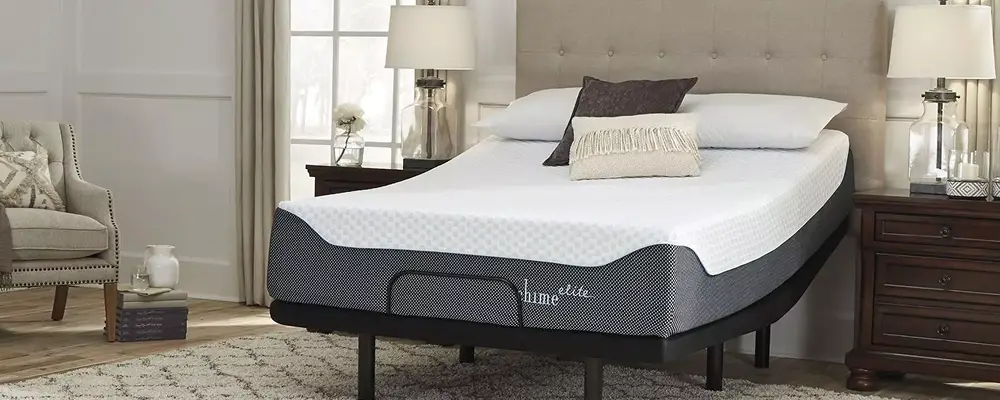
Not every mattress works well with an adjustable base. Memory foam mattresses are the most compatible — they flex without damage and conform well to changing positions. Latex mattresses, both natural and synthetic, are also a strong match for adjustable bases. Many hybrid mattresses (a combination of foam and coiled springs) work with adjustable frames, though it's worth checking the manufacturer's specifications. Traditional innerspring mattresses with interconnected coil systems are generally not recommended for adjustable bases, as repeated flexing can damage the coil structure over time. When in doubt, check both the mattress and base manufacturer's guidelines before pairing them.
Compare Style, Functionality, and Value Before Purchasing
An adjustable bed base is typically sold separately from the frame or headboard you pair it with, which means you have design flexibility. Many shoppers pair an adjustable base with an upholstered headboard or a platform bed frame with no footboard to maintain a clean, modern look. Weigh the total cost of the base plus any compatible accessories before finalizing your purchase — and don't overlook delivery and setup requirements, as adjustable bases are heavy and precise installation matters for proper function.
How Adjustable Beds Compare to Other Bed Types
Understanding how adjustable beds fit within the broader landscape of bed styles helps you make a more confident decision — especially if you're exploring multiple options.
Adjustable Beds vs. Platform Beds
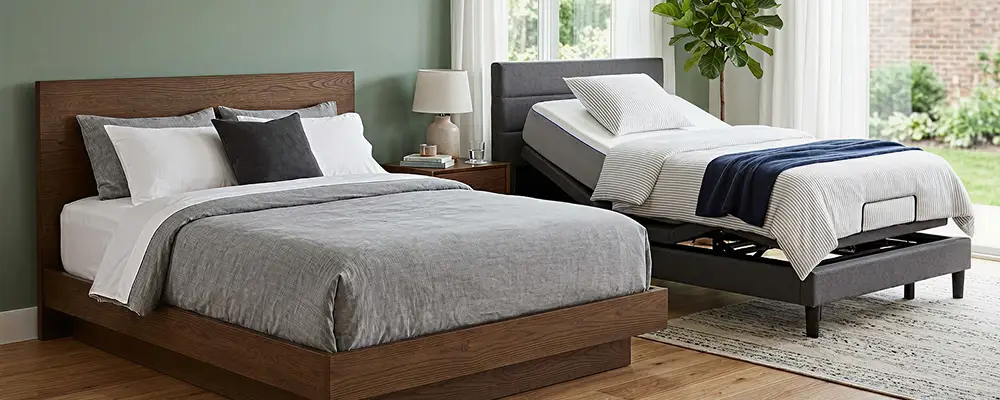
Platform beds are a popular choice for their low-profile, minimalist design and the fact that they don't require a box spring. They're straightforward to set up, widely available in a huge range of styles, and typically more affordable than adjustable setups. The tradeoff is that a platform bed offers a single, fixed sleeping surface — there's no positional adjustment available. An adjustable base, by contrast, adds functional versatility at a higher price point and with more installation considerations. If you value simplicity and design above all else, a platform bed is a smart choice. If customizable comfort is the priority, an adjustable base delivers something a platform frame simply can't.
| Feature | Adjustable Bed | Platform Bed |
|---|---|---|
| Positional flexibility | Yes — head & foot incline | No — fixed flat surface |
| Price range | $400–$2,500+ (base only) | $200–$1,500+ |
| Box spring required | No | No |
| Mattress compatibility | Foam, latex, select hybrids | Most mattress types |
| Setup complexity | Moderate — heavier, more components | Simple |
| Best for | Comfort-focused, health-conscious sleepers | Design-focused, low-maintenance sleepers |
Where Adjustable Beds Fit Among Today's Most Popular Bed Styles
Adjustable beds occupy a specific niche within the broader world of bed styles and types — they prioritize function and comfort flexibility over purely aesthetic considerations. They make the most sense for sleepers who spend significant time in bed beyond just sleeping, deal with physical discomfort that positioning can help address, or share a bed with a partner who has noticeably different comfort preferences. For everyone else, the wide variety of bed styles available — from sleigh beds to storage beds to upholstered frames — offers compelling design-forward alternatives worth exploring.
Explore the Broader Bed Category Before Making a Final Choice
Some shoppers come to adjustable beds after exploring the full landscape of bed types and realizing they want more than a static frame provides. Others discover that a well-chosen traditional bed with the right mattress addresses their needs just as well. Either way, starting broad is a smart approach. The Bed Types Buying Guide at Coleman Furniture covers over 60 bed styles, sizes, and designs to help you narrow your options with confidence.
Why Shop Adjustable Beds at Coleman Furniture
Wide Selection Across Styles, Brands, and Price Points
Coleman Furniture carries adjustable beds from trusted brands across entry-level, mid-range, and premium price tiers. Whether you're looking for a simple, reliable base for your guest room or a fully featured Split King with dual massage and app control, you can compare models side by side without driving from showroom to showroom. The ability to see multiple options in one place — with transparent specs and pricing — makes for a more confident buying decision.
Convenient Online Shopping with Practical Buying Support
Buying an adjustable bed online is a smooth experience at Coleman Furniture. Detailed product descriptions, multiple photo angles, and real customer reviews give you the information you need to make a well-informed choice. And if you have questions along the way, Coleman's customer support team is available to help — you can reach a real person who knows the products and can walk you through options based on your specific needs.
Quality, Comfort, and Style for Real Homes
Coleman Furniture focuses on furniture that works in real bedrooms — not just showrooms. The adjustable beds available through Coleman are chosen for their practical durability, accessible pricing, and everyday comfort. Many items qualify for free white glove delivery, meaning your adjustable bed arrives with professional setup included, so you don't have to wrestle with a heavy base on your own.
Shop the best adjustable beds at Coleman Furniture. Browse adjustable beds by size, feature set, and budget — with free shipping on every order.
Buying Guidance Before You Decide
Key Questions to Ask Before Choosing an Adjustable Bed
Before you commit to a model, work through these practical questions:
- What size works best for the room? Measure your space carefully, accounting for the bed's extended footprint when inclined.
- Which features will actually improve my daily comfort? Focus on what disrupts your sleep — back pain, snoring, acid reflux, or simply wanting to read in bed — and match features to those specific needs.
- Am I prioritizing budget, tech, or long-term durability? Entry-level bases work well for basic adjustability; mid-range hits the sweet spot for most sleepers; premium models add technology that some will love and others will never use.
- Is my current mattress compatible? Check before buying — replacing both at once can actually simplify the process and cost.
How to Narrow Down the Right Option with Confidence
Comparing adjustable beds side by side — feature by feature, price by price — is the most effective way to find the right fit. Look at motor noise ratings, weight capacities, warranty length, and whether the base includes delivery and assembly. Think honestly about how you actually use your bedroom day to day, not just how you imagine you'll use it. The best adjustable bed is the one you'll still appreciate a year from now: reliable, comfortable, and right-sized for your space and lifestyle.
The best adjustable beds for back pain include a zero gravity preset, which distributes body weight evenly and reduces lumbar pressure. Models with independent head and foot incline let you find the exact angle that relieves your specific discomfort. Look for a base with smooth, quiet motor operation and a weight capacity appropriate for your body — instability in the frame can actually worsen discomfort over time.
Yes — for most sleepers, an adjustable bed with zero gravity is one of the most useful features available. The preset elevates both the head and knees to create a neutral body position that reduces back and joint pressure. It's particularly beneficial for sleepers with lower back pain, circulation issues, or anyone who spends a lot of time in bed. Most mid-range and higher adjustable beds include zero gravity as a standard preset button.
The best budget adjustable bed for everyday use is one that offers reliable head and foot incline, a wireless remote, quiet motor operation, and a sturdy steel frame — without overloading you with features you won't use. Entry-level models in the $400–$800 range for a Queen size deliver this experience well. Prioritize frame weight capacity and warranty length over feature count when comparing budget options.
No — not all mattresses are compatible with adjustable bases. Memory foam and latex mattresses are the most compatible, as they flex easily without damage. Many hybrid mattresses also work, depending on the coil system. Traditional innerspring mattresses with interconnected coils are generally not recommended, as repeated flexing can damage the coil structure. Always verify compatibility with both the mattress and base manufacturer before purchasing.
Adjustable beds are excellent for couples — especially Split King configurations (two Twin XL bases side by side), which allow each partner to fully customize their own side independently. Queen size adjustable bases move as a single unit, which works well for couples with similar comfort preferences. If you and your partner have very different sleeping styles, a Split King with dual controls is worth the additional investment.
Elevating the head of the bed — even by just 7 to 10 degrees — can reduce snoring by keeping the airway more open and preventing soft tissue from collapsing. Many adjustable beds include an anti-snore preset that automatically moves to a recommended elevation. While results vary by individual, this is one of the most frequently cited benefits by adjustable bed owners.
A well-built adjustable bed base typically lasts 10 to 15 years with regular use. Motor quality, frame construction, and usage habits all affect longevity. Look for bases that come with at least a 10-year warranty on the motor and 5 years on the frame as a baseline indicator of build confidence. Proper mattress compatibility also extends the life of both the base and the mattress.
Quality adjustable beds operate nearly silently. Budget models may produce more motor noise, while mid-range and premium bases use quieter DC motor systems that adjust smoothly without disruptive sound. If noise sensitivity is a concern, look specifically for models marketed as "whisper-quiet" and check customer reviews for real-world feedback on motor sound levels.
Queen (60 by 80 inches) is the most popular size for couples sharing a unified base. Split King (two Twin XLs totaling 76 by 80 inches) is ideal for couples with different comfort needs. Twin XL (38 by 80 inches) works well for solo sleepers, particularly taller individuals. Measure your room before purchasing and account for the bed's extended footprint when the head or foot section is elevated.
Smart adjustable beds offer features like smartphone app control, sleep tracking, voice assistant integration, and AI-powered positioning — which some sleepers genuinely value. For most people, though, a reliable mid-range model with a wireless remote, zero gravity, and massage delivers everything they'll actually use on a nightly basis. Smart features are a meaningful upgrade for tech-forward shoppers; for everyone else, the mechanical quality of the base matters more than the software layer on top of it.