


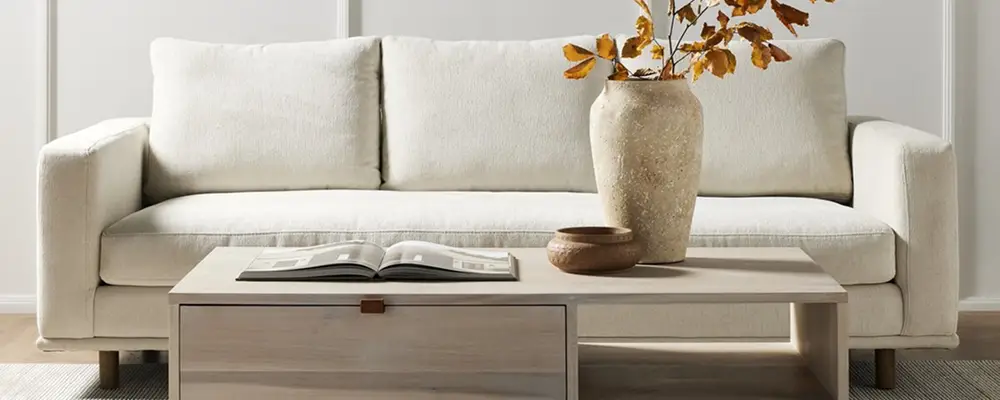
How to Choose a Sofa—Your Complete Buying Guide
Learning how to choose a sofa can feel like a high-stakes decision, and honestly, it is. Your sofa is the go-to spot where you wind down after a long day, host guests, catch up on your favorite shows, or pile in with your kids or pets. The right one can bring comfort, style, and function into your space for years to come. But with so many options in size, shape, color, and fabric, it’s easy to feel overwhelmed.
Key Takeaways
- Start with how you’ll use your sofa, from daily lounging to formal style
- Measure your space and entryways so it actually fits your home
- Pick a style and shape that matches your layout, whether sectional, loveseat, or sleeper
- Choose upholstery that fits your lifestyle, from durable performance fabric to luxe velvet or leather
- Select a color that balances your room, either a timeless neutral or a bold statement shade
- Coleman Furniture makes it easy with a wide range of sofas plus free delivery and setup
Step 1: Consider How You’ll Use Your Sofa
Daily Hangout Spot, or a Formal Centerpiece?
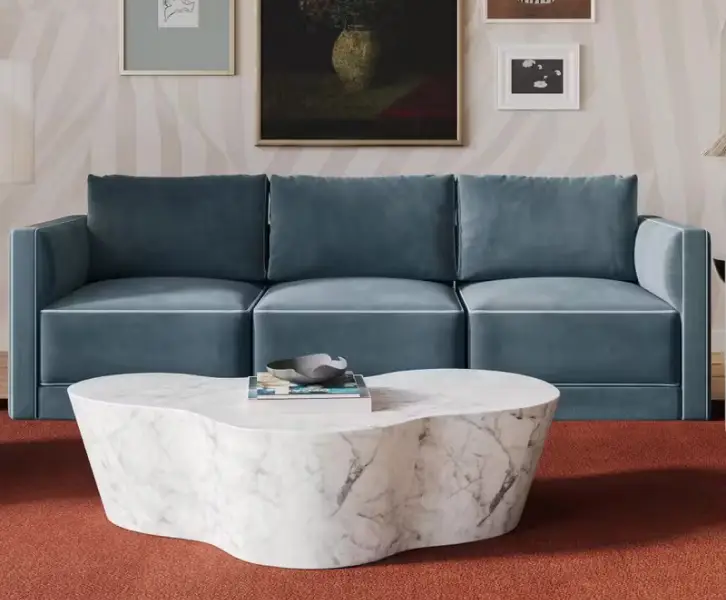
For formal spaces, you can go bolder with eye-catching silhouettes or luxe materials. The Willow Misty Blue Velvet Sofa, for example, adds instant elegance with its rich velvet fabric and sculptural lines, ideal for spaces that lean more decorative than lounge-worthy.
Families, Pets, or Small Apartments
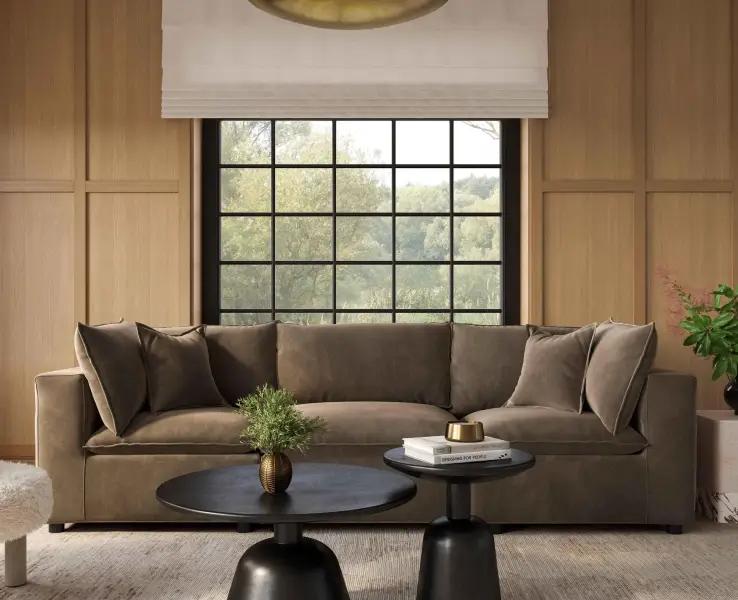
For a family-friendly pick, the Cali Chocolate Brown Velvet Modular Sofa offers plush seating, easy-to-clean upholstery, and a roomy layout ideal for movie nights and lounging.
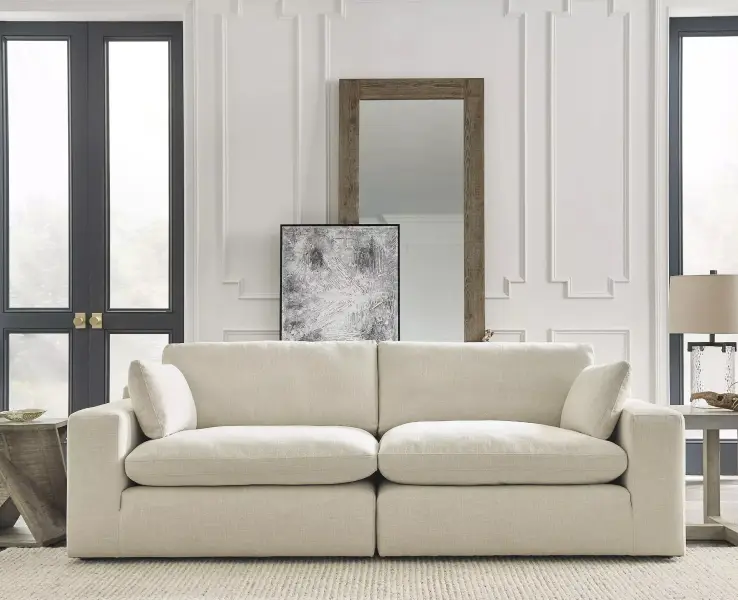
Living in a smaller space? A loveseat, apartment-size sofa, or modular piece might be your best bet, like the Elyza Linen Modular Loveseat.
How to Choose a Sofa for a Tall Person
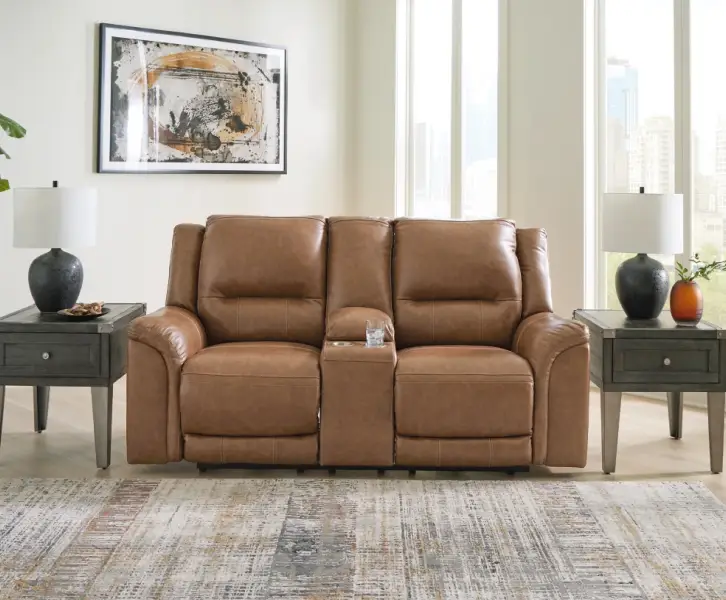
One great option is the Trasimeno Caramel Power Reclining Sofa. With its generously deep seat, reclining feature, and supportive back cushions, it's designed to give taller users the space and structure they need while still looking sleek in your living room.
Step 2: Measure Your Space

Measure Your Room, Doorways, and Hallways
Plan Your Layout and Leave Room to Move
Step 3: Choose Your Sofa Style and Shape
Select a Shape
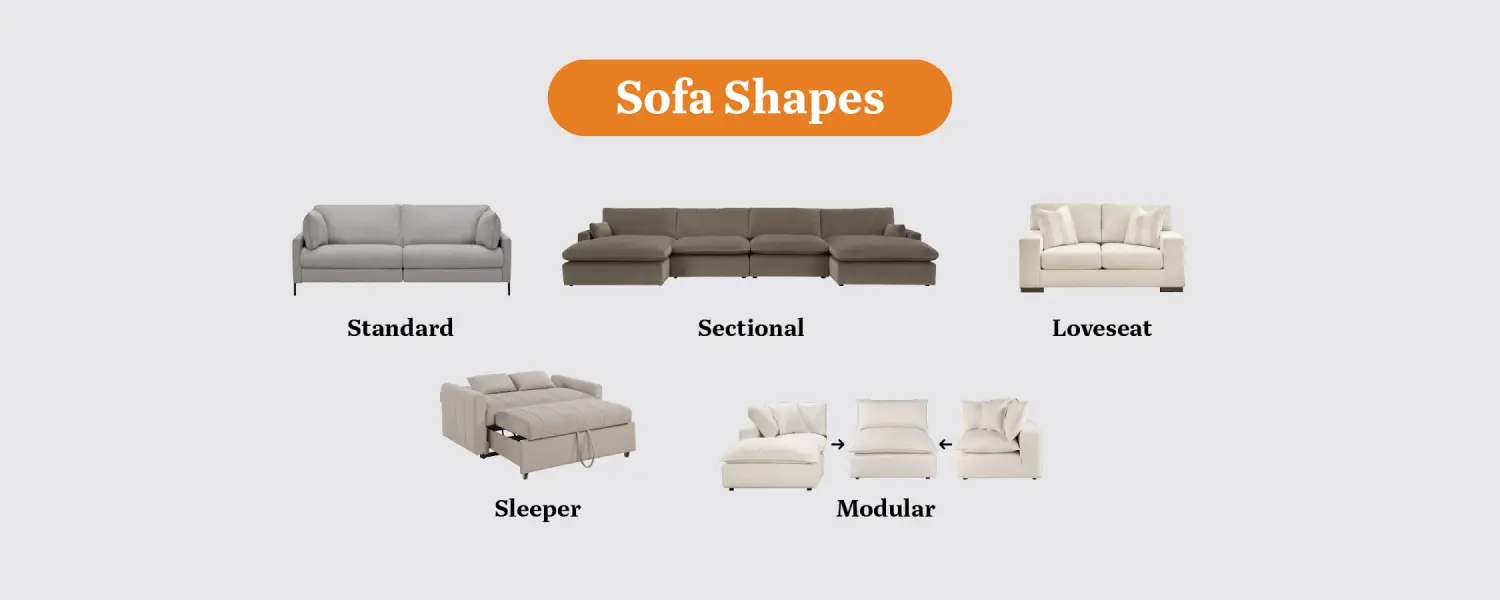
Different sofa shapes suit different spaces and lifestyles. Here’s a quick breakdown:
- Standard sofas are great for most living rooms and give you a classic, clean look.
- Sectionals provide extra seating and help define open-concept spaces.
- Loveseats work well in smaller spaces or as a companion to a larger sofa.
- Sleeper sofas pull double duty, giving guests a place to sleep when needed.
- Modular sofas are made of individual pieces that can be rearranged or added to later, perfect if you want extra flexibility.
Match Your Style
-
Traditional
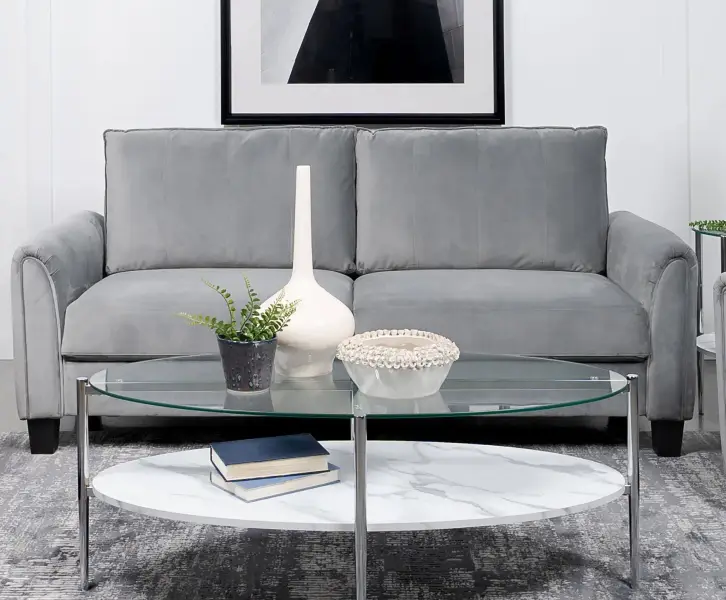
Love a classic, lived-in feel? Traditional sofas are all about timeless details: rolled arms, tufted backs, and turned wood legs. These styles often come in rich materials like leather, velvet, or jacquard, giving your space an elevated, curated look.
If that sounds like your style, take a look at the Davis Rolled Arm Sofa. It’s upholstered in a soft, versatile gray and finished with elegant nailhead trim and traditional shaping that never goes out of style.
-
Mid-Century Modern
Inspired by 1950s and ’60s design, mid-century sofas are known for their sleek silhouettes, low profiles, and angled wood legs. These designs are clean and minimalist, often upholstered in textured fabrics like linen or tweed.
One standout is the Caufield Turquoise Blue Queen Sofa Bed. It blends mid-century form with a warm, earthy hue. Plus, it converts to a bed when needed for visiting guests.
-
Contemporary
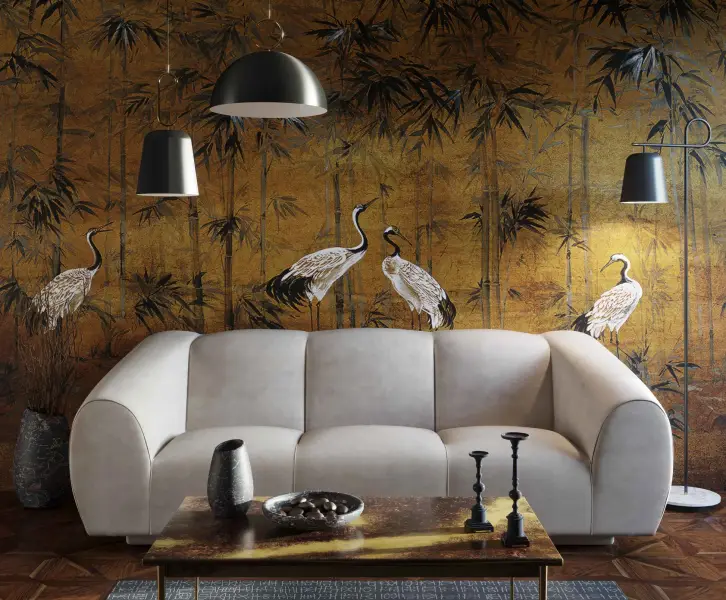
Contemporary sofas keep things streamlined and versatile. They often feature modular builds, neutral color palettes, and soft curves that work well in almost any layout. Materials vary, but you’ll often see clean fabric upholstery paired with metal or subtle wood accents.
The Emmet Cream Velvet Sofa nails the look with its smooth silhouette, modern piping details, and soft neutral upholstery.
-
Glam
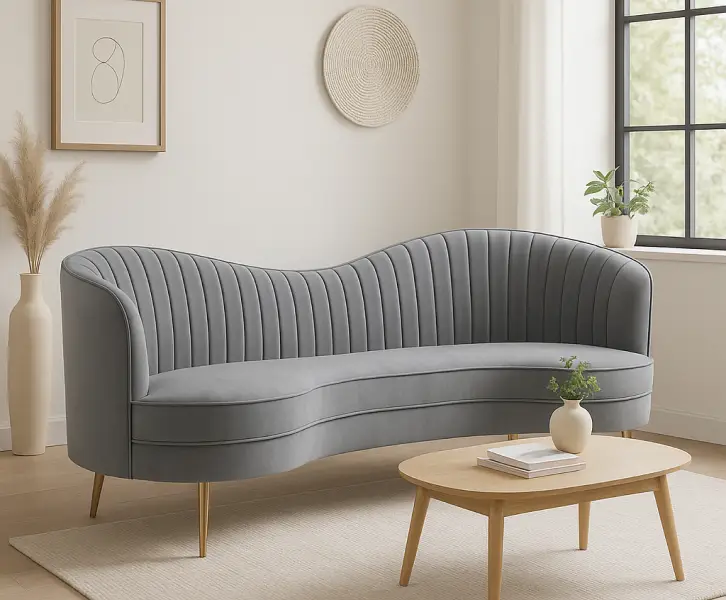
Looking to make a statement? Glam sofas are bold, eye-catching, and full of personality. Expect velvet finishes, tufted backs, sculptural forms, and metallic accents like gold or chrome legs.
The Sophia Grey Sofa checks all the boxes. With its channel-tufted back, soft velvet fabric, and flared gold legs, it turns any seating area into a showstopper.

Step 4: Pick the Right Sofa Material and Upholstery
Choose a Fabric Type
-
High Performance Fabric
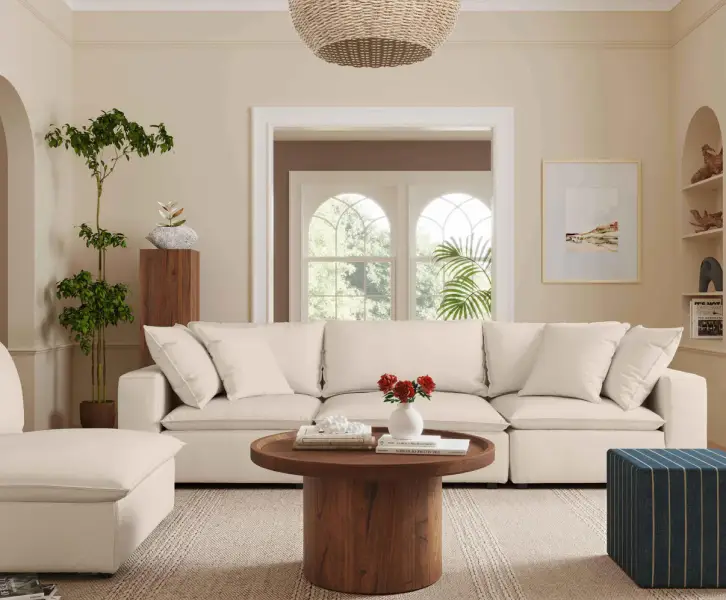
Coleman Furniture’s High Performance Fabric is made to take on spills, stains, and everyday living. It’s water-repellent, stain-resistant, and incredibly durable, all while staying soft to the touch.
One standout is the Cali Performance Fabric Modular Sofa. Along with the fabric’s ability to fight off stains, muddy paws, or toddlers, its modular design also makes it easy to rearrange your layout.
-
Chenille
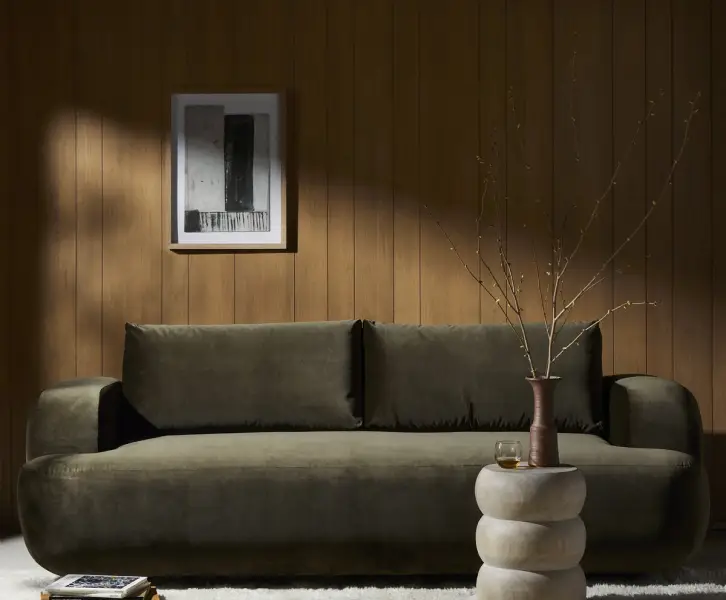
Soft and plush with a slightly shimmery finish, chenille is all about cozy texture. It’s a great middle ground between durability and comfort, making it a solid choice for family rooms or TV lounges.
For something that blends comfort with character, the Benito Surrey Olive Sofa brings in soft chenille upholstery and a rich green tone that makes a subtle statement.
-
Velvet
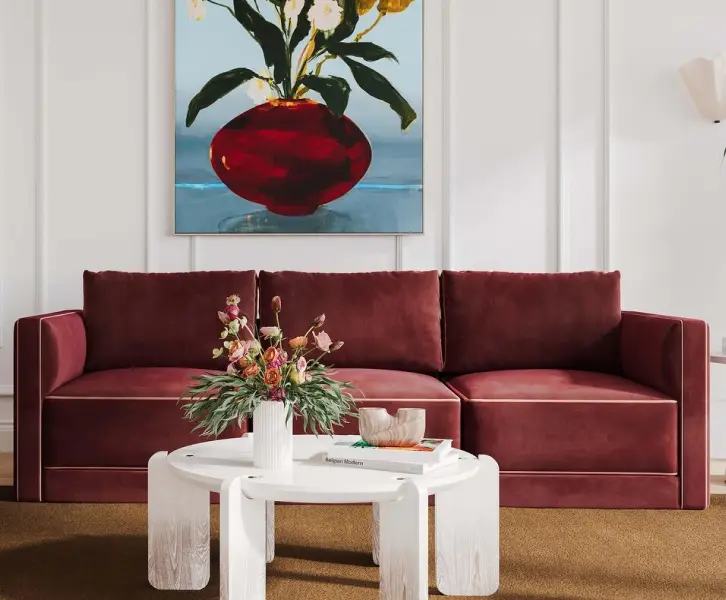
Rich and luxurious, velvet instantly elevates a space. It’s soft, dramatic, and perfect for glam or traditional designs. Just keep in mind it can show marks from pressure or spills, so it’s best for lower-traffic areas.
If you’re ready to go bold, the Willow Berry Red Velvet Modular Sofa has striking color, soft texture, and the flexibility of a modular layout.
-
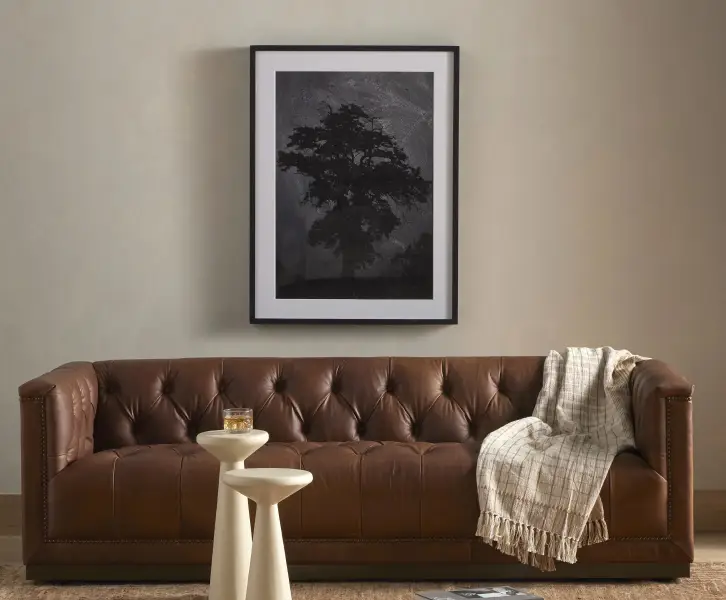
Genuine Leather & Faux Leather
Leather adds a sleek, timeless touch. Genuine leather develops a beautiful patina over time and is highly durable, but it does need some care and can be prone to scratching. Faux leather has a similar look at a lower price point and is easier to maintain, though it may not last as long.
For a truly classic piece, check out the Maxx Heirloom Sienna Leather Sofa. With rich coloring and top-grain leather, it’s a statement piece in any living room or office.
-
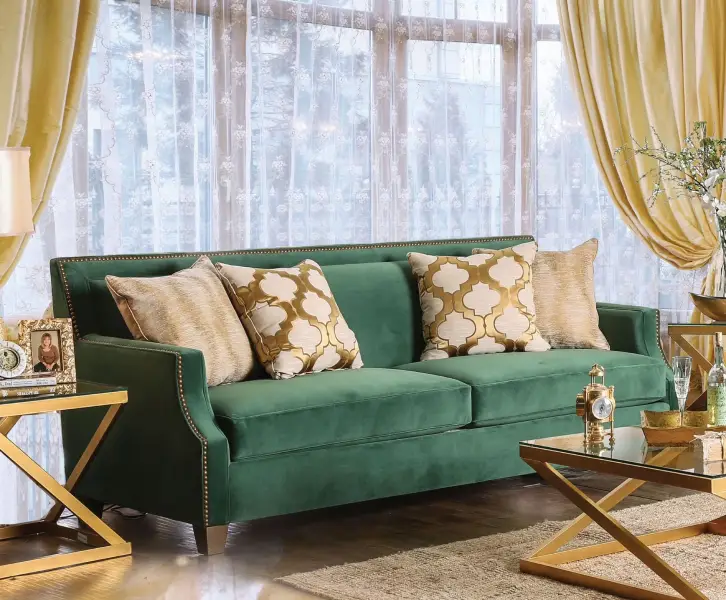
Microfiber
Microfiber is a tightly woven synthetic fabric that is a go-to for families. It’s soft, resistant to stains, and easy to clean. Plus, it holds up well in high-use environments without pilling or fading.
The Verdante Emerald Green Sofa is a practical pick for casual living. It’s upholstered in smooth microfiber and doubles as a futon, perfect for extra guests.
Step 5: How to Choose a Sofa Color
-
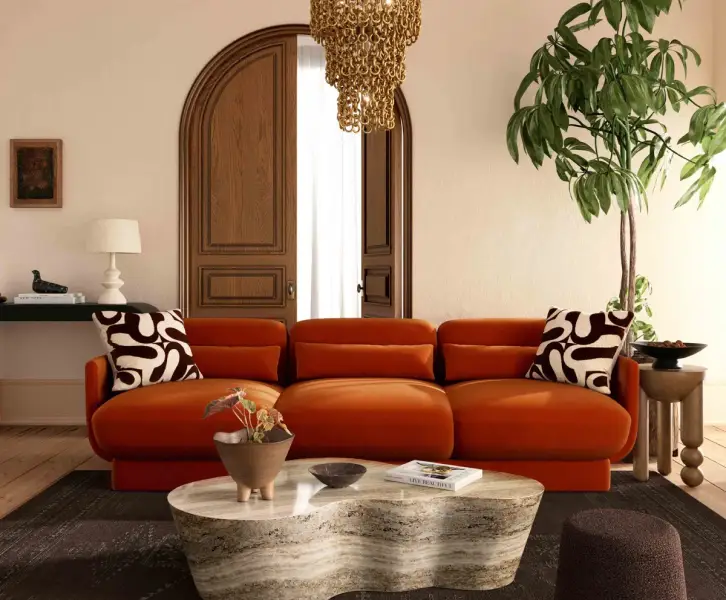
Work With What You Have
If your room already has bold rugs, artwork, or accent walls, a neutral sofa can help balance things out. On the flip side, if your space feels a little flat, a colorful sofa can add interest and warmth. The Azalea Rust Orange Velvet Sofa is a great option for adding depth to a space.
-
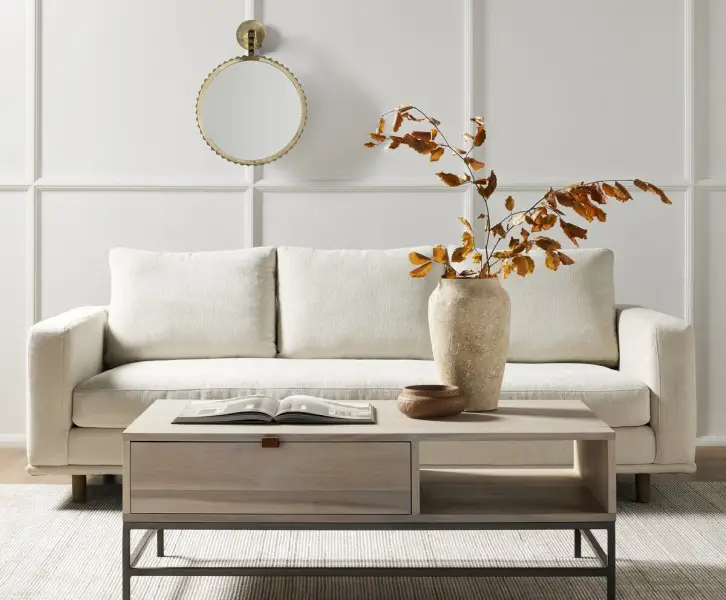
Go Neutral or Make a Statement
Neutral shades like beige, ivory, or gray are safe, flexible, and timeless. If you prefer something bolder, like navy, green, or terracotta, just make sure it complements the rest of your space. The Dom Bonnell Sofa has a crisp, neutral palette that pairs beautifully with nearly any room design.
-
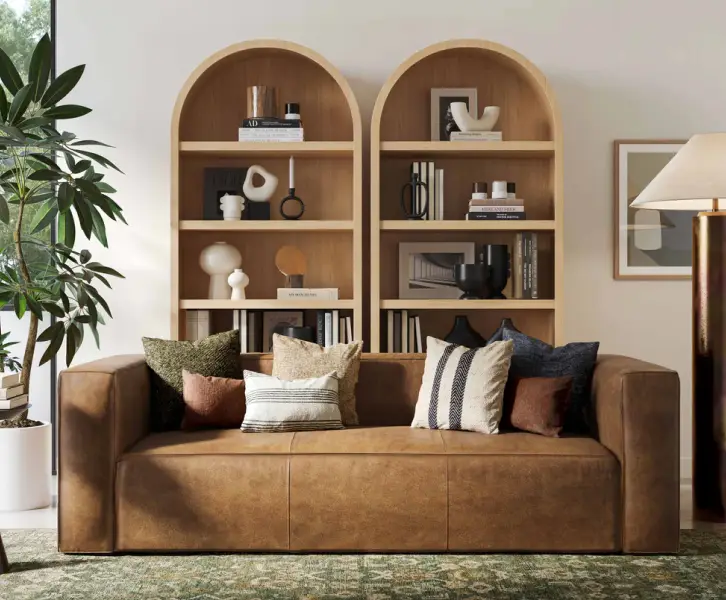
Think About Lighting and Fabric
Natural light softens colors, while artificial light can shift tones slightly. Fabrics also change the effect. Velvet looks rich and reflective, while linen and microfiber have a softer, matte finish. The Aurora Brown Sofa blends warm tones with a soft, light-catching texture that plays well in both natural and indoor lighting.
-
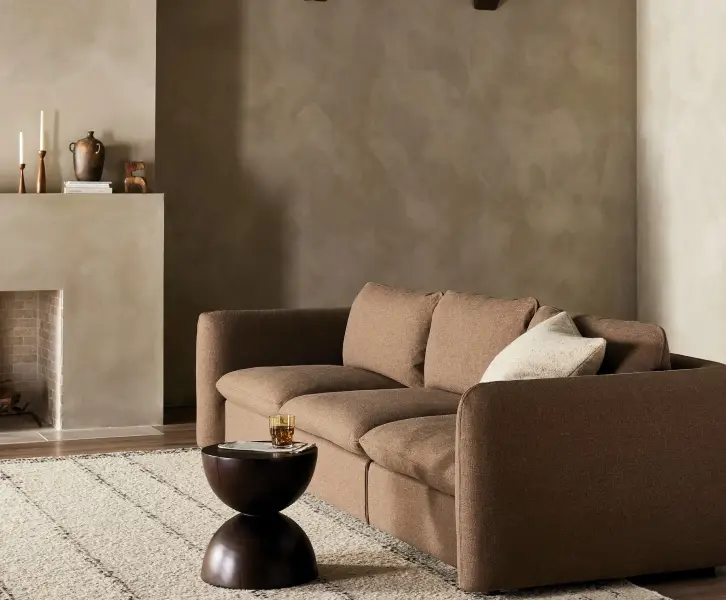
Choose a Color That Lasts
Think about upkeep. Darker colors tend to hide stains and wear better, while lighter tones can make a space feel brighter but may need more maintenance, especially in homes with pets or kids. The Ingel Antwerp Cafe Modular Sofa is a deeper hue in a durable fabric that’s perfect for everyday life.
Ready to Find Your Dream Sofa?
FAQs
-
What is the 2/3 rule sofa?
The 2/3 rule suggests your sofa should be about two-thirds the length of the wall it sits against. This keeps the scale balanced and avoids overwhelming the space.
-
What to look for when choosing a sofa?
Focus on comfort, durability, and proportion. Check seat depth, cushioning, frame quality, and whether the style fits your room layout.
-
Should your sofa be lighter or darker than the walls?
Either can work—it depends on the mood you want. A lighter sofa brightens a room, while a darker sofa adds depth and contrast.
-
Is it better to have a firm or soft sofa?
It comes down to preference. A firmer sofa offers more support and structure, while a softer sofa feels relaxed and cozy.


