

How to Choose Between a Kitchen Table VS an Island
The eat-at island may be a modern must-have, but lately, the kitchen table is making a quiet return. For decades, islands have defined the heart of the kitchen. They’re sleek, functional, and perfect for casual meals or conversation while you cook. Yet for many homeowners, there’s something undeniably warm about gathering around a table again. The choice between a kitchen table vs island is a choice for how you live when in your kitchen. Do you prefer an open, communal space for prep and serving, or a cozy spot where meals linger long after the plates are cleared? Both can be beautiful. Both can serve as the centerpiece of your home. The important part is finding what fits your space best. Key Takeaways- Kitchen islands anchor the room and provide storage and prep space.
- Kitchen tables create warmth, flexibility, and a natural gathering point.
- Your choice depends on how you cook and move through your space.
- Many modern kitchens now include a kitchen table and an island.
-
What is a Kitchen Table?
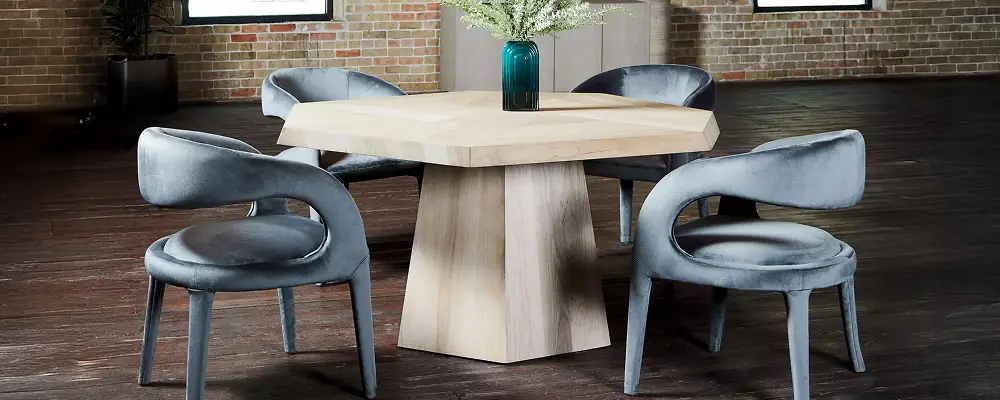
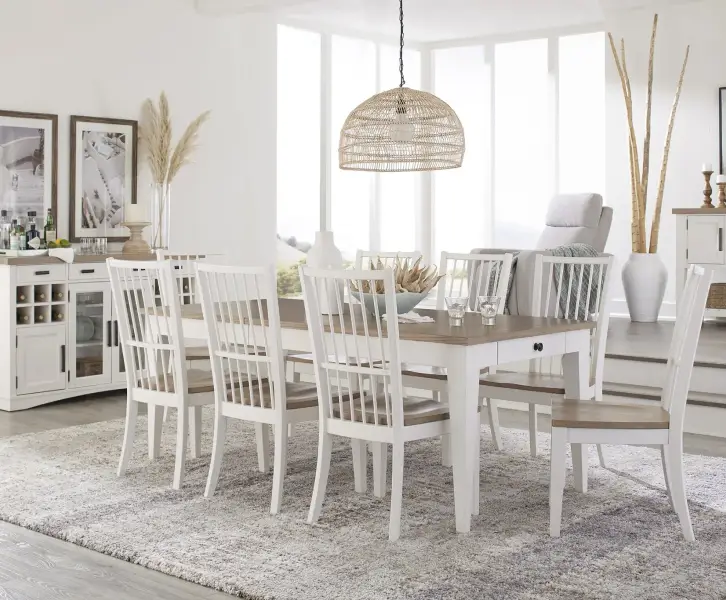
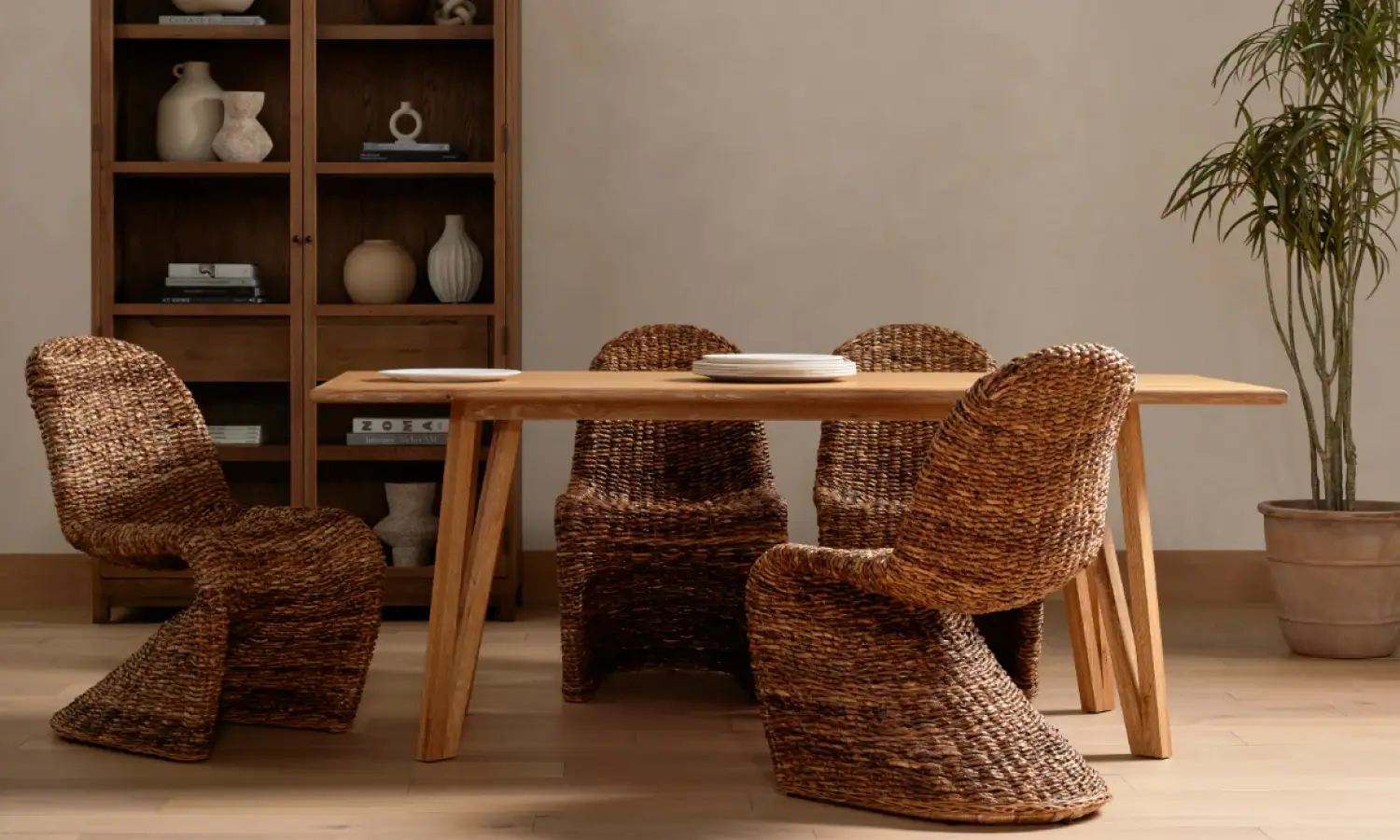
A kitchen table is the heart of casual dining. It’s a freestanding piece of furniture surrounded by chairs, often placed near a window, in a breakfast nook, or at the center of an open kitchen. A table brings softness and warmth to the room. It invites people to sit down, talk, and share a meal together.
-
What is a Kitchen Island?
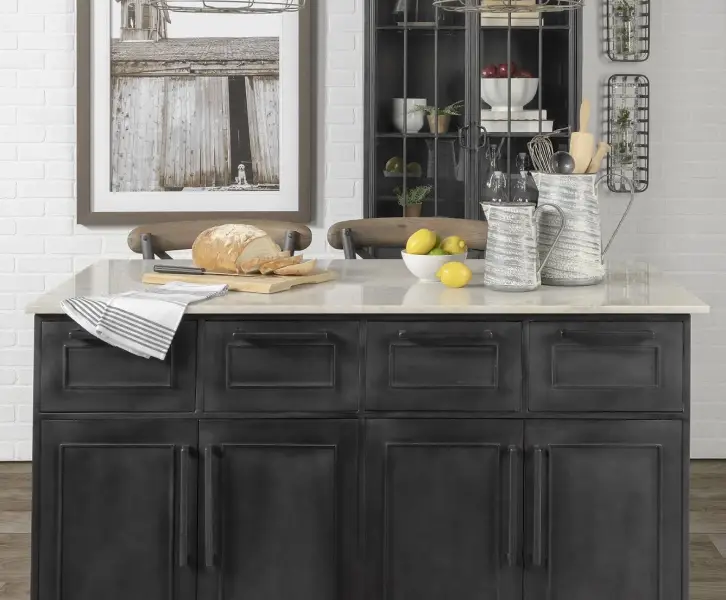
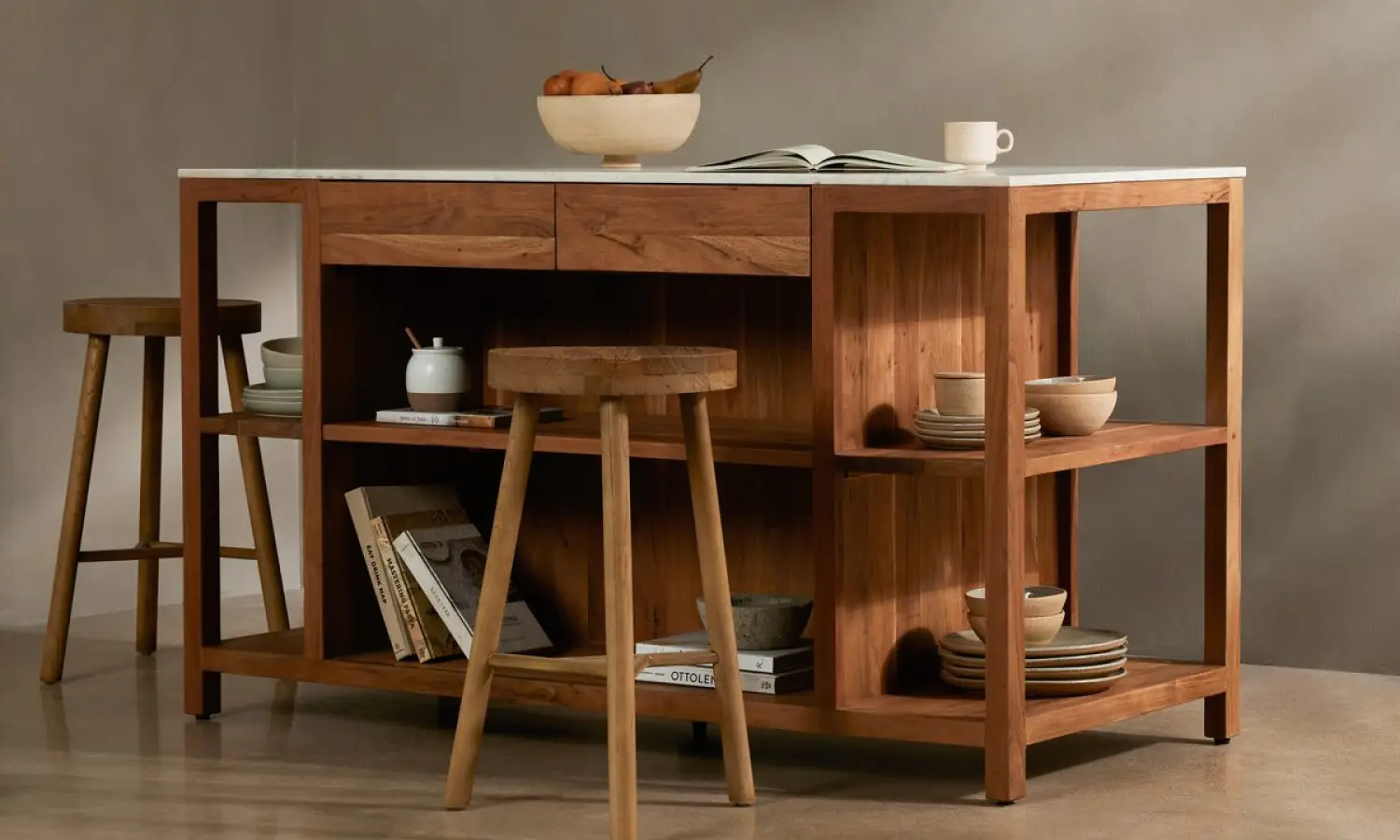
A kitchen island is a more permanent structure, usually centered in the room, designed to with extra workspace and storage. Most islands include cabinets or drawers underneath and a countertop that can handle everything from food prep to serving.
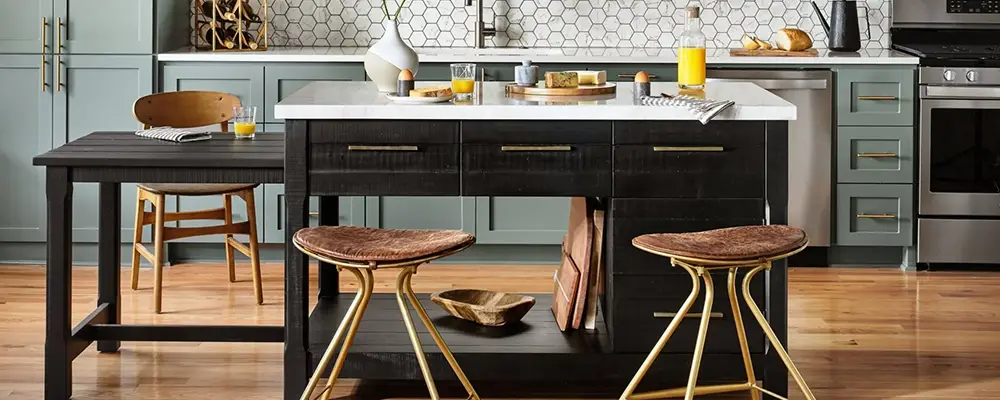
Many modern islands feature built-in elements like sinks, dishwashers, or bar seating. They can also divide the kitchen from the living area in an open floor plan, helping define both spaces. Islands are ideal for those who cook often, need more storage, or even just want a convenient spot for quick meals.
| Feature | Kitchen Table | Kitchen Island |
|---|---|---|
| Primary Use | Dining and gathering | Food prep and storage |
| Mobility | Freestanding and movable | Fixed in place |
| Space Needs | Fits compact spaces | Needs open floor area |
| Cost | Generally lower | Higher due to installation |
| Best For | Families and flexible layouts | Cooking and entertaining |
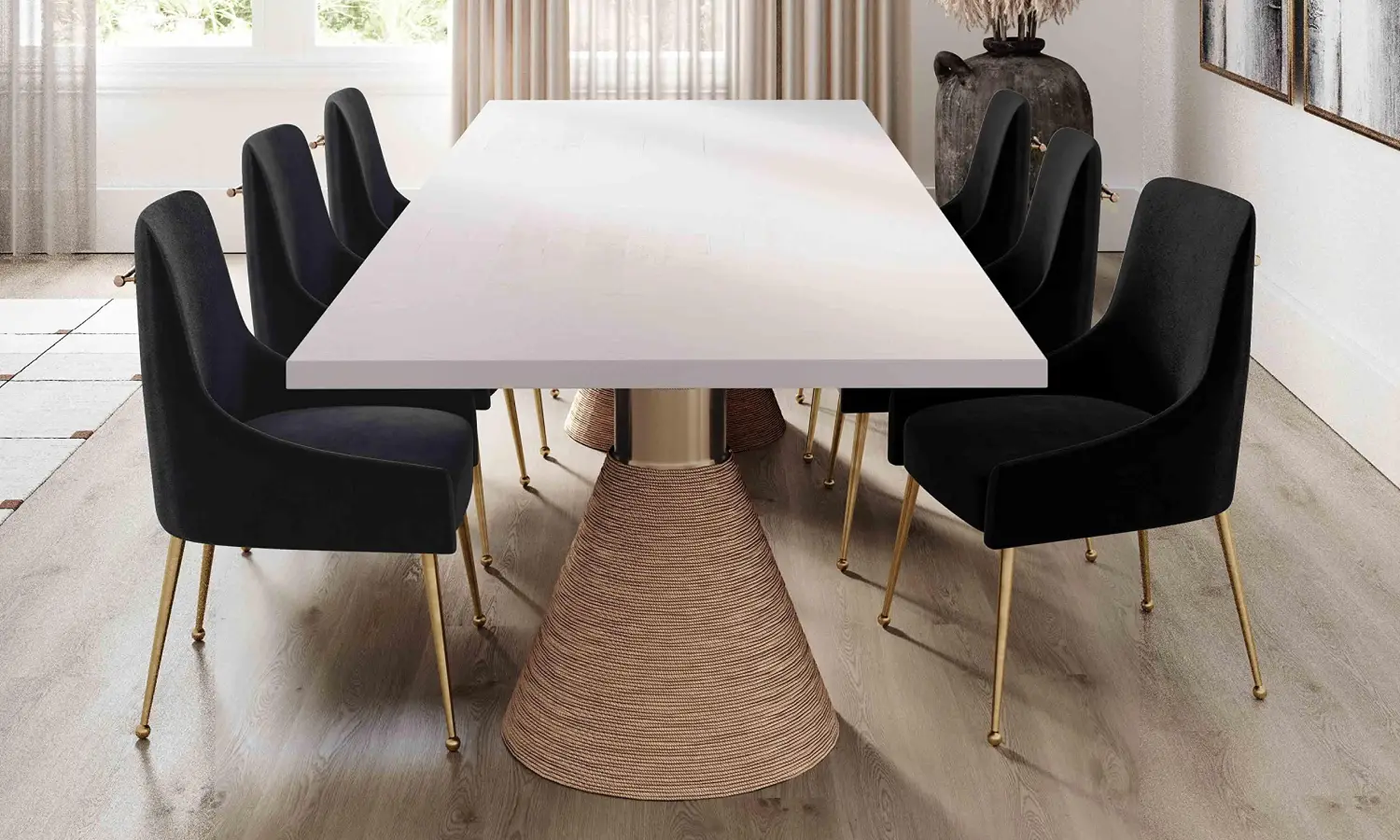
Yes. Many homeowners choose to include both in their layout. The island becomes the main prep zone, while the table creates a space for dining, homework, or morning coffee. If your kitchen has an open floor plan, pairing both can help balance the room.
A kitchen table usually works better in smaller spaces. It’s lighter, easier to move, and doesn’t require installation. A round or square table can also make tight rooms feel more open. If you love the idea of an island but don’t have space, consider a slim, movable cart or a narrow counter-height table to mimic the look without crowding the room.
In most cases, yes. A kitchen island is built in, which often involves cabinetry, countertops, and electrical or plumbing connections. A table is less expensive and much easier to replace or move as your needs change. However, a well-designed island can increase functionality and long-term value, especially in open kitchens.
A island kitchen table combines the structure of an island with the comfort of a table. It’s a raised surface that often includes open legroom, barstools, or minimal storage underneath. This hybrid option works well in modern spaces where you want both prep area and seating without adding a full built-in island.
Plan for at least 36 inches of clearance on all sides, or 42 inches if more than one person will be cooking. This spacing keeps the area open for movement and appliance doors. If space is tight, choose a smaller island or a peninsula design that connects to one wall.
Think about what you use your kitchen for most. If you host often, cook large meals, or want extra storage, an island is the practical choice. If your kitchen is a gathering space where people sit, talk, and linger, a table will make it feel more inviting. Many modern kitchens blend the two for a mix of comfort and function.