


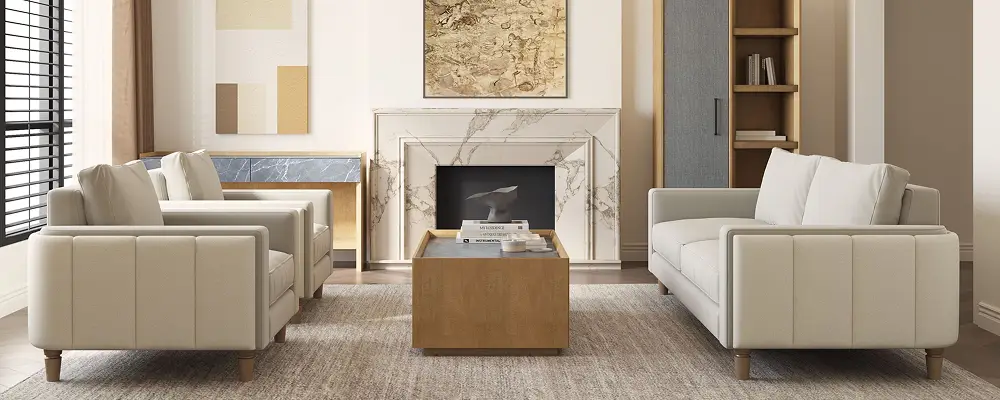
15 Minimalist Living Room Ideas for a Calm and Clutter-Free Space
A minimalist living room strips away everything that doesn't earn its place — leaving behind a space that feels lighter, calmer, and more intentional the moment you walk in. Whether you're starting from scratch or editing what you already have, these 15 ideas will help you build a room defined by purpose, not clutter.
Key Takeaways
- A minimalist living room focuses on clean lines, neutral tones, and purposeful furniture.
- Every piece should serve a function — decorative clutter defeats the style.
- Neutral color palette + natural textures + hidden storage = the minimalist formula.
- Negative space is an active design element — empty areas are intentional.
- This approach works for small spaces, large rooms, and any budget.
What Is a Minimalist Living Room?
A minimalist living room is a space designed around function, simplicity, and intentionality — where every furniture piece, color choice, and decorative element serves a clear purpose. It prioritizes clean lines, a neutral color palette, and open space over ornamentation. The goal isn't emptiness; it's clarity.
Key Design Elements for Minimalist Living Rooms
A well-executed minimalist living room is built on six core principles:
- Neutral color palette: Whites, creams, soft grays, beige, and warm earth tones form the foundation.
- Functional and intentional furniture: Every piece earns its place. If it doesn't serve a purpose, it doesn't belong.
- Decluttered space and negative space: Open, empty areas aren't neglected — they're deliberate design decisions.
- Natural textures and materials: Linen, wool, light wood, stone, and jute add warmth without visual noise.
- Hidden storage solutions: Clutter should be out of sight and out of mind, not just moved to a shelf.
- Natural light and greenery: Large, unobstructed windows and a single well-placed plant keep the space feeling alive.
Ready to shop the look? Explore contemporary living room sets designed with the clean lines, natural fabrics, and neutral colors that work perfectly in a minimalist living room.
15 Minimalist Living Room Ideas
A minimalist living room is a space designed around function, simplicity, and intentionality — where every furniture piece, color choice, and decorative element serves a clear purpose. It prioritizes clean lines, a neutral color palette, and open space over ornamentation. The goal isn't emptiness; it's clarity.
Start with Color, Light, and a Calm Foundation
Warm neutrals — cream, greige, and soft gray — set a calm tone before a single piece of furniture is placed.
-
1.
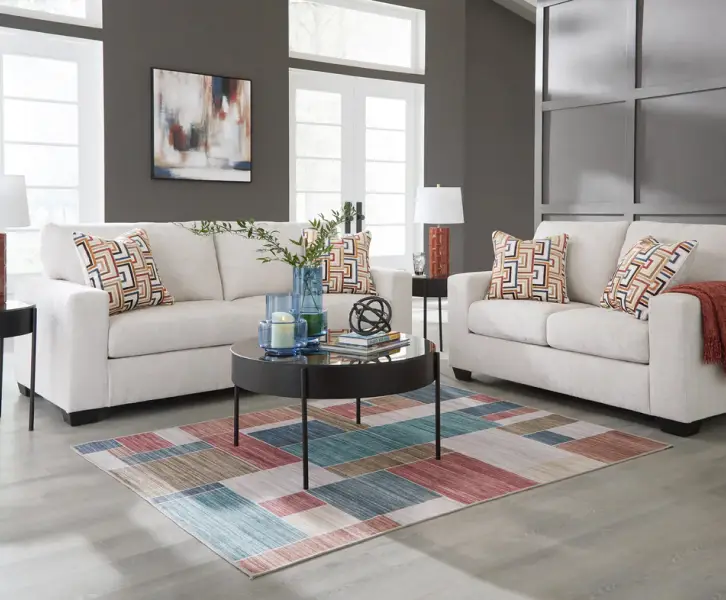
Stick to a Neutral Color PaletteThe foundation of any great minimalist living room is a restrained, cohesive color palette. Choose whites, creams, soft grays, or warm beige tones rather than stark, cold white — warm neutrals create a more inviting atmosphere while still keeping things visually quiet. Use your wall color, flooring, and largest furniture pieces to establish this base, then let subtle texture variations do the work from there.
-
2.
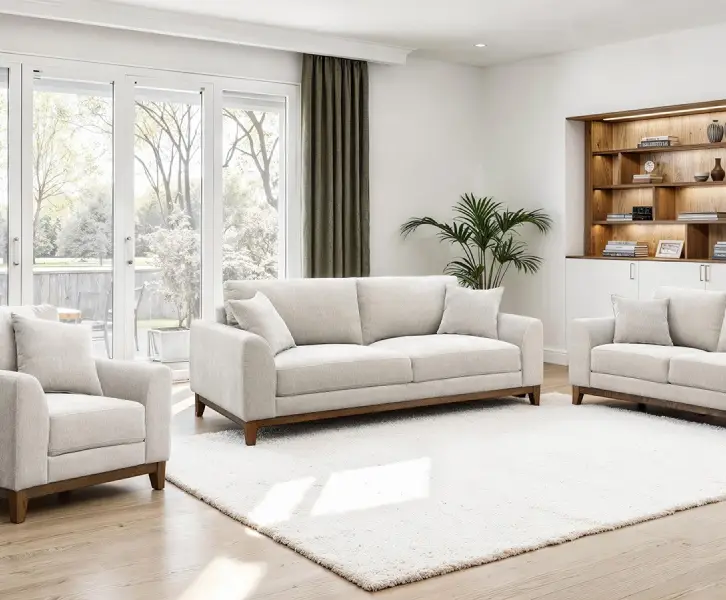
What Colors Work Best in a Minimalist Living Room?The most common colors in a minimalist living room are white, warm cream, soft gray, and beige. Light sage green or dusty blue can work well as a subtle accent without overwhelming the palette. The key is keeping tones muted and harmonious — nothing too saturated or contrasting.
-
3.
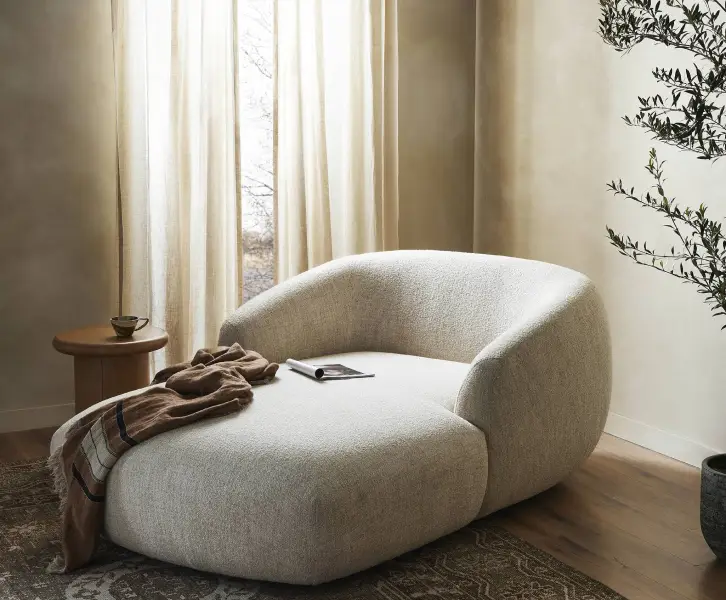
Maximize Natural Light with Simple Window TreatmentsNatural light is one of the most powerful tools in a minimalist space — it opens up the room and reduces the need for decorative filler. Swap heavy drapes for sheer linen panels or simple roller shades that filter light without blocking it. Keep window sills clear and avoid layering multiple window treatments. Let the light in, and let it do the work.
-
4.
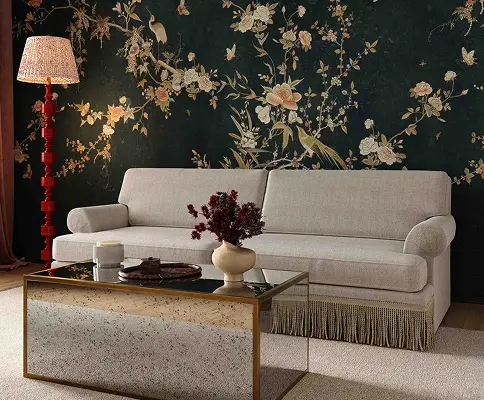
Use Warm, Soft Artificial LightingWhen natural light fades, your artificial lighting should carry the same calm tone. Choose floor lamps or pendant lights with a warm color temperature (2700K–3000K) rather than cool white bulbs. A single well-positioned arc floor lamp or a pair of table lamps can define a seating area without introducing visual complexity. Avoid overhead recessed lighting as the sole source — layered ambient lighting feels more intentional.
Choose Furniture with Purpose (Minimalist Furniture Ideas)
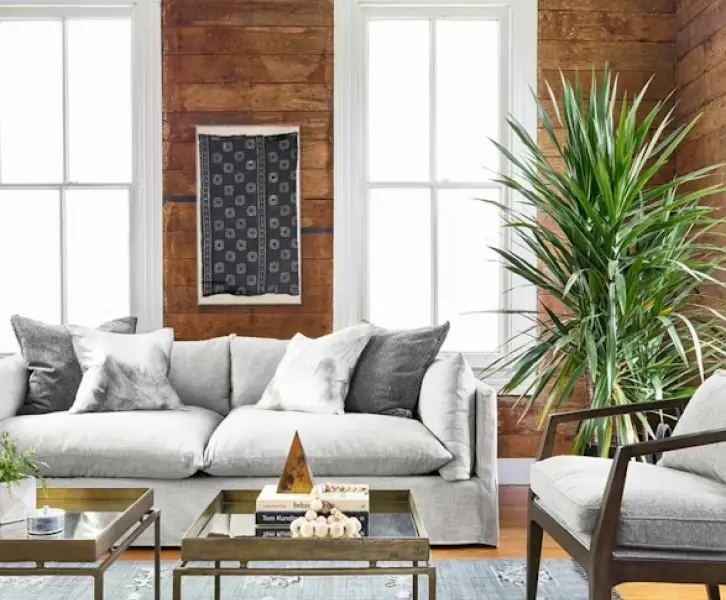
A low-profile sofa with a simple silhouette is the anchor of a well-designed minimalist living room.
-
5.
Choose a Low-Profile Sofa with Clean LinesThe sofa is the anchor of any living room, and in a minimalist space it needs to do double duty: look great and stay out of the way visually. Look for minimalist furniture ideas that feature a low, streamlined silhouette — a simple 2- or 3-seater or a compact sectional in a neutral upholstery. Avoid ornate legs, tufted backs, or busy fabric patterns. Browse modern living room sets for sofas and sectionals built around exactly this kind of clean, purposeful design.
-
6.
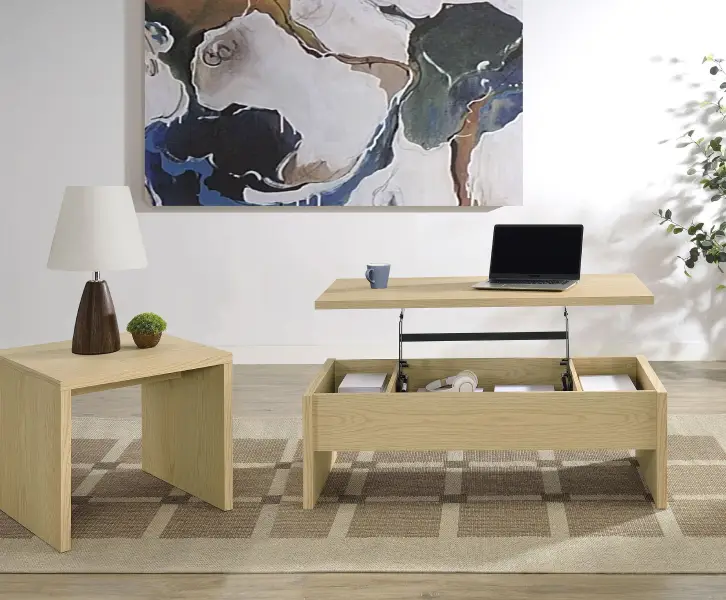
Use a Multifunctional Coffee TableA coffee table that looks simple but works hard is a minimalist essential. Consider a piece in light wood, clear glass, or brushed metal — ideally with a lower shelf or hidden drawer for storing remotes, books, and everyday items. This directly embodies the minimalist principle of functional furniture: it's beautiful, it's useful, and it quietly keeps clutter off your surfaces.
-
7.
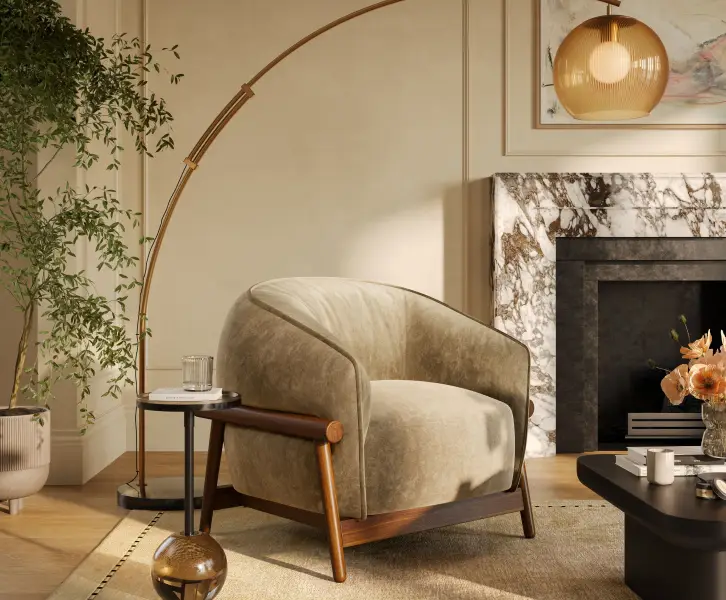
Consider a Minimalist Living Room Without a SofaNot every minimalist living room needs a traditional sofa. A pair of low-profile accent chairs, a set of oversized floor cushions, or a simple bench paired with a pouf can create a more open, flexible layout — especially effective in smaller spaces where a full sofa might feel heavy.
-
8.
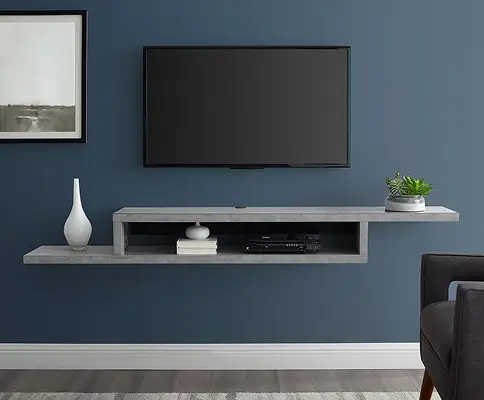
Integrate Your TV Without Disrupting the AestheticA television can easily dominate a room in the wrong way. In a minimalist living room, wall-mount the TV at eye level, hide all cords in the wall or behind a cable cover, and pair it with a slim floating media console that keeps components out of sight.
Embrace Negative Space and Declutter
Empty areas aren't neglected — in a minimalist room, they're doing deliberate design work.
-
9.
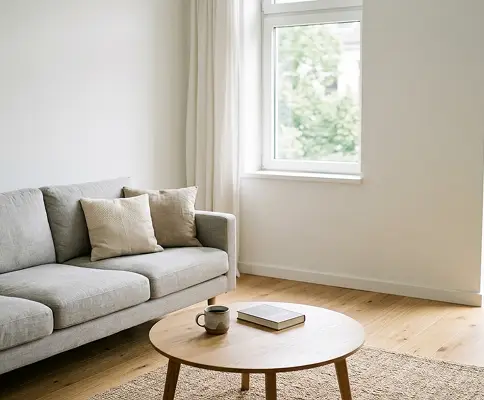
Leave Areas Intentionally EmptyThe eye needs places to rest. Resist the urge to fill every corner, every shelf, and every surface with something. An open stretch of floor beside the sofa, a bare wall next to the window, an uncluttered coffee table — these empty areas are doing important visual work.
-
10.
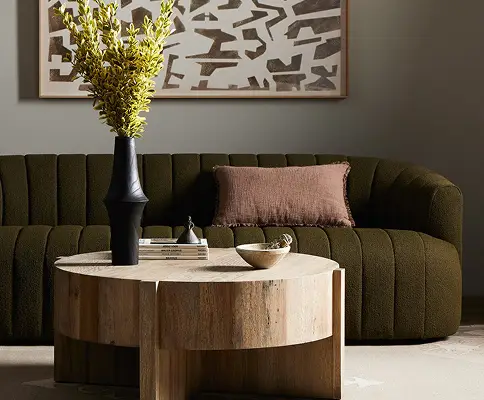
Apply the 3-5-7 Rule to DecorThe 3-5-7 rule means arranging decorative objects in groups of odd numbers — 3, 5, or 7 items. Odd groupings feel more natural and visually balanced than even pairings. In a minimalist space, this translates to a single vignette on a coffee table: perhaps a small plant, a stone object, and a candle. Three things. Intentionally placed. That's it. (See the FAQ section below for a full definition.)
-
11.
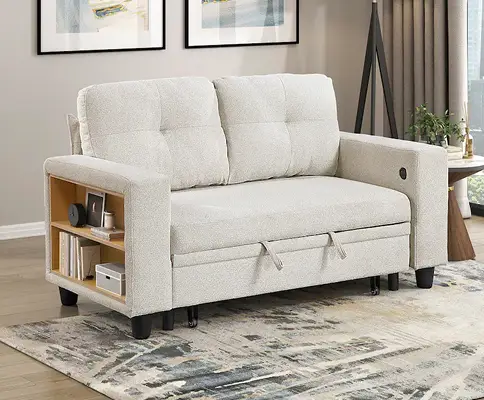
Minimalist Living Room Ideas for Small SpacesA small space is a natural fit for minimalism. Start by choosing multi-function furniture — a storage ottoman that doubles as seating, a sofa with a chaise that eliminates the need for an extra chair. Add a large leaning mirror to open up the room visually, and use vertical wall shelving to draw the eye upward rather than crowding the floor. The fewer pieces you work with, the larger the room will feel.
-

12.
Declutter Before You DecorateThe most important step in creating a minimalist living room isn't buying new furniture — it's editing what you already have. Work through the space in three steps: Sort everything into keep, donate, and store piles. Remove anything that doesn't serve a function or bring genuine meaning to the room. Store seasonal items, extra throws, and duplicates out of sight. Only once the room is cleared should you begin placing furniture and adding back a few intentional pieces.
Add Texture, Storage, and Style Without Clutter
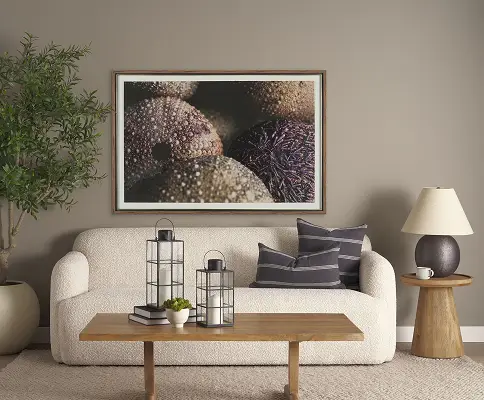
Natural textures — wool, linen, wood, jute — bring warmth without color or clutter.
-
13.
Layer Natural Textures and MaterialsWhen you limit color, texture becomes your primary design tool. A wool area rug, linen throw pillows, a light oak shelf, and a woven jute basket bring visual richness and warmth to a room without adding color or clutter. These minimalist furniture ideas for styling rely on contrast in material and finish rather than pattern or palette. The result is a space that feels layered and inviting — not sparse. For larger rooms, our large living room ideas guide shows how layering texture helps big spaces feel more intentional and uncluttered.
-
14.
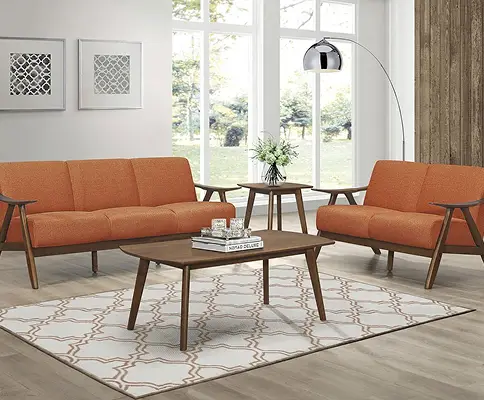
Choose Minimalist Living Room Wall DecorLess is more when it comes to walls. Instead of a gallery wall filled with frames, choose one or two large, impactful pieces — a single oversized canvas, a sculptural wall object, or a framed print in a simple mat. Scale matters: a large piece anchors the room, while a collection of small frames creates visual noise. As a simple rule: if it doesn't stop the eye, it shouldn't be on the wall.
-
15.
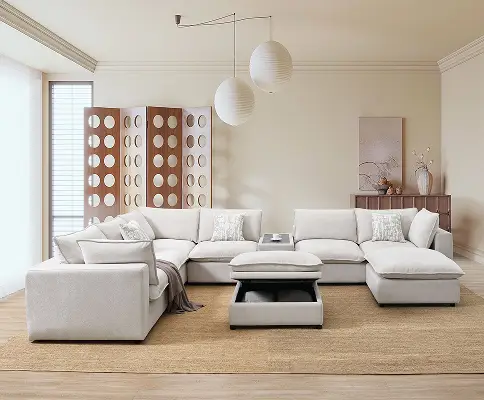
Use Hidden Storage to Keep Surfaces ClearThe final piece of the minimalist living room formula is storage — not open shelving loaded with objects, but concealed storage that keeps everyday items accessible and out of sight. Built-in shelves with closed cabinets below, storage ottomans that hide blankets and remotes, and media consoles with doors rather than open cubbies all contribute to surfaces that stay consistently clear. When storage is built into your furniture choices, maintaining the look doesn't require constant tidying — it just requires the right pieces.
Benefits of a Minimalist Living Room
- Less visual stress. A clutter-free space is easier for the brain to process, creating a calmer atmosphere the moment you walk in.
- Easier to clean and maintain. Fewer surfaces, fewer items, and less time spent tidying up.
- Makes any room feel larger. Negative space and streamlined furniture open up a small minimalist living room without a single renovation.
- Highlights what matters most. When there's less competing for attention, your best furniture pieces and meaningful decor actually get noticed.
- Supports a more intentional lifestyle. Choosing only what belongs in the room encourages more mindful purchasing and decorating decisions over time.
How to Create a Minimalist Living Room Look: Step-by-Step
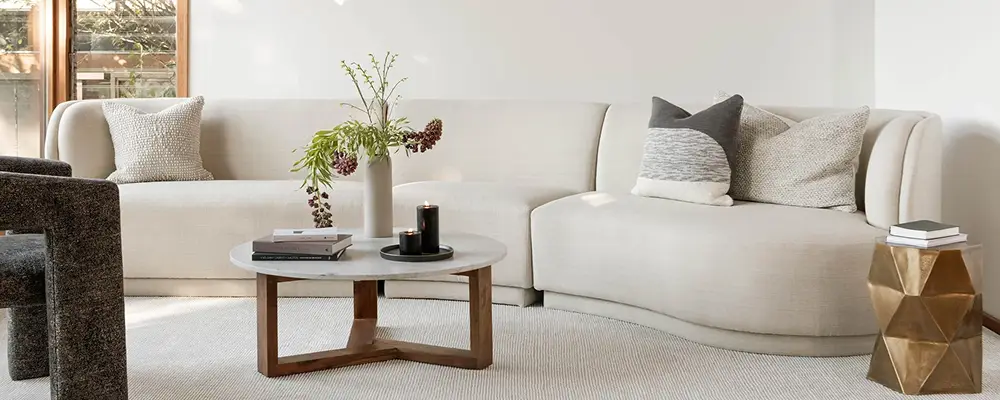
A decluttered, intentionally arranged room is the starting point for every great minimalist space.
- Declutter first. Remove everything that doesn't serve a clear purpose. If it doesn't add function or meaning, it doesn't belong.
- Choose a neutral color palette. Start with whites, creams, or soft grays as your base, then introduce one or two warm accent tones through textiles.
- Select intentional furniture. Prioritize function and clean lines — every piece should earn its place and ideally serve more than one purpose.
- Layer in natural textures. Add warmth without color by incorporating a wool rug, linen throw, light wood shelf, or a single potted plant.
- Hide your storage. Use storage ottomans, built-in shelves, or furniture with concealed compartments to keep surfaces completely clear.
- Edit your decor. Limit wall art to one or two large, impactful pieces rather than a busy gallery wall. Keep tabletop surfaces mostly bare.
- Maximize natural light. Swap heavy drapes for sheer panels or simple shades. Let light do the decorating — it opens the space without adding a single item.
For inspiration on styling your space, see our modern living room ideas guide.
Ready to Build Your Minimalist Living Room?
Browse Coleman Furniture's curated collection of minimalist living room furniture — clean lines, quality materials, and styles built for calm, intentional spaces.
Shop minimalist living room furniture
Minimalist Living Room FAQs
The 3-5-7 rule is a styling guideline that suggests arranging decorative objects in groups of odd numbers — 3, 5, or 7 items. Odd groupings feel more natural and visually balanced than even pairings. In a minimalist living room, this typically means a small, intentional vignette on a coffee table or shelf.
The 3-4-5 rule refers to proportional spacing in room layouts — using a 3:4:5 ratio to create balanced visual weight between furniture groupings, wall art placement, and open space. It helps ensure no single area of the room feels too heavy or too empty.
The 70/30 rule suggests that 70% of a room's design should use a dominant color or material, while the remaining 30% introduces contrast through accent tones, textures, or patterns. In a minimalist living room, this often means 70% neutral base with 30% natural texture or a single warm accent.
Many people with ADHD find that minimalist spaces reduce sensory overload and make it easier to focus. A clutter-free environment with fewer visual distractions can help with concentration and reduce feelings of overwhelm. However, preferences vary — the key is finding a level of simplicity that feels calming rather than restrictive.
Choose decor that serves a purpose or holds genuine meaning. Limit decorative objects to a few intentional pieces — a single large artwork, a plant, or a small curated vignette. Avoid collecting items just to fill space. Every piece should earn its place in the room.
The most common colors are white, warm cream, soft gray, beige, and greige. Light sage green or dusty blue can work as subtle accents. The key is keeping tones muted, warm, and harmonious — nothing too saturated or contrasting.