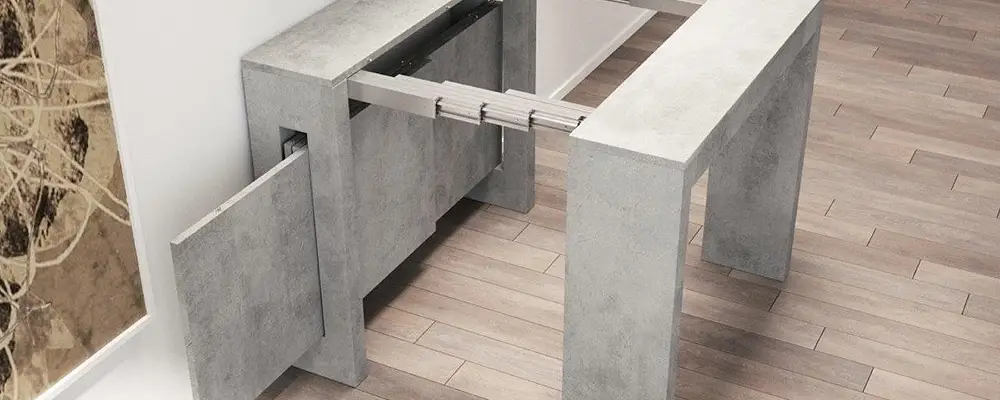


What Is the Best Shape for a Kitchen Table? A Complete Guide
The shape of your kitchen table does more than set a style tone — it determines how many people can gather comfortably, how freely everyone moves through the room, and how the whole space feels day to day. Choosing the wrong shape can crowd a walkway, cut off cabinet access, or make a generous room feel oddly empty. This guide walks you through rectangular, round, square, and oval options so you can answer the question "what is the best shape for a kitchen table?" with confidence for your specific home.
Key Takeaways
- The best shape depends on your room's size and layout, your household's daily needs, and your kitchen's design style.
- Rectangular and oval tables seat more people in long or open rooms; round and square tables suit smaller or square kitchens.
- Clearance, safety, and conversation flow matter just as much as looks—leave at least 36 inches between the table edge and walls or cabinets.
Why Kitchen Table Shape Matters
Shape is a functional decision first. The right table keeps walkways clear even when chairs are pulled out, allows everyone to reach the center easily, and leaves enough room between the edge and the wall so no one has to turn sideways to squeeze past. The wrong shape can crowd a tight kitchen into dysfunction or leave a spacious open-concept room feeling under-furnished.
Rounded shapes—round and oval—reduce sharp corners in tight or high-traffic kitchens, which is especially helpful in households with young children who tend to run. Rectangular and square tables deliver more usable surface area per square foot of footprint, which matters for families who use the table for homework, crafts, or working from home. Before you browse styles, settle on a shape that works for how your household actually lives. Explore the full range of dining and kitchen tables to see all four shapes side by side.
The Four Main Kitchen Table Shapes Compared
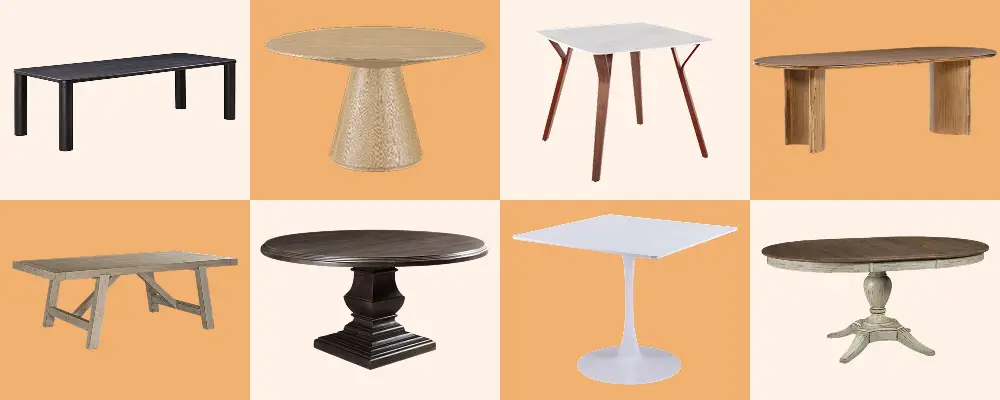
Most kitchen tables fall into one of four shapes: rectangular, round, square, and oval. Each has clear strengths, real tradeoffs, and specific room types where it performs best. Here's what you need to know about each one.
| Shape | Typical Seating | Best Room Type | Key Tradeoff |
|---|---|---|---|
| Rectangular | 4 to 10+ | Long, open, or open-concept kitchens | Sharp corners; tight in narrow rooms |
| Round | 2 to 6 | Small, square, or eat-in kitchens | Limited seating capacity |
| Square | 4 (up to 8 with leaves) | Square rooms and breakfast nooks | Inefficient for large groups |
| Oval | 4 to 8 | Traditional, transitional, farmhouse kitchens | Harder to push flush against a wall |
Rectangular Kitchen Tables
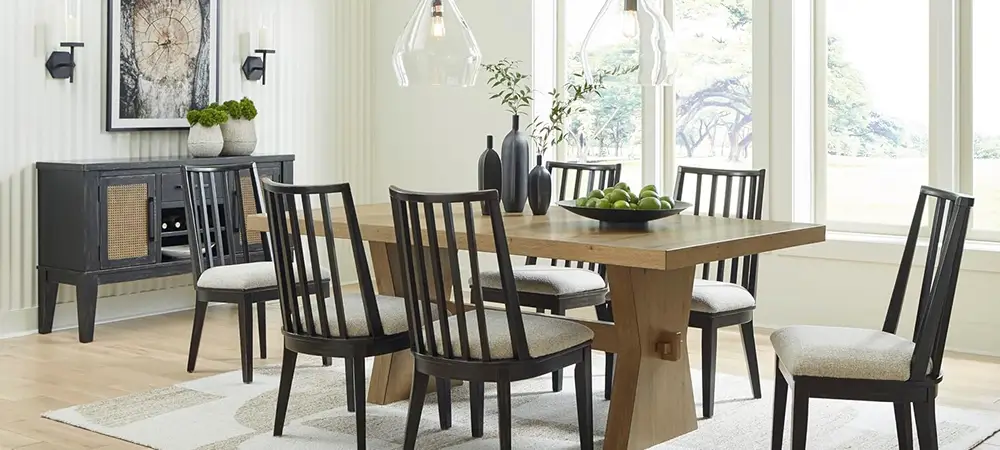
Rectangular is the most popular kitchen table shape — and for good reason. It mirrors the geometry of most dining rooms, accommodates benches along the sides to save space, and scales from an intimate 48-inch table for four up to a 96-inch table for ten or more. It fits naturally in long, open kitchens and anchors open-concept spaces where a smaller table would look lost.
The tradeoff: sharp corners on a rectangular table can feel unforgiving in a narrow room, and the longer footprint requires enough clearance on all four sides to work safely. If your kitchen runs tight from side to side, an oval or round shape will serve you better.
Best for: long or open-concept kitchens, large families, frequent entertaining
Round Kitchen Tables
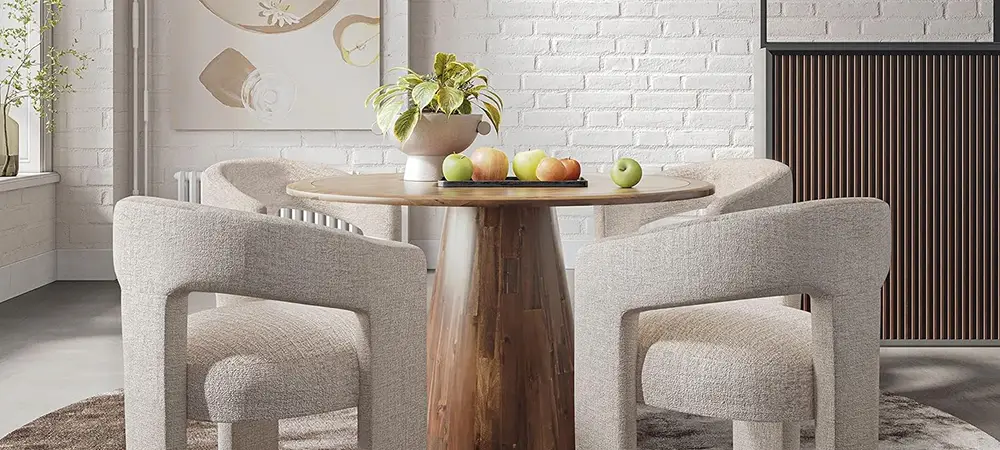
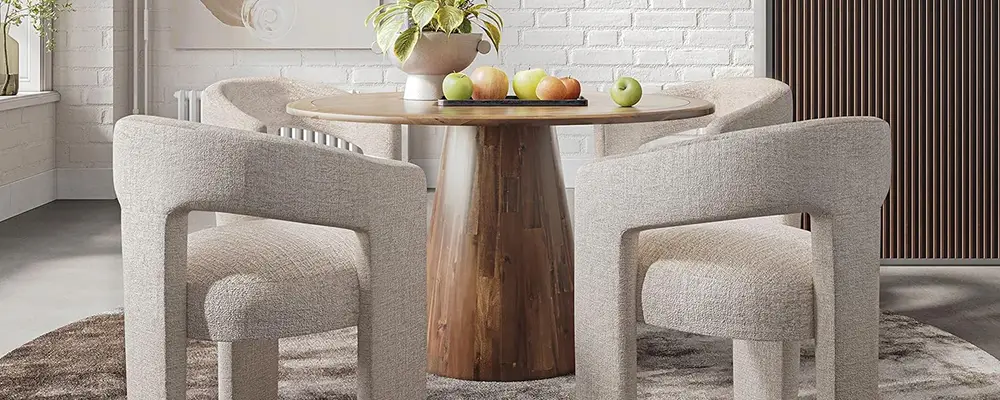
A round table is the natural fit for small, square, or eat-in kitchens where every inch counts. With no corners to navigate around, it keeps traffic flowing in tight spaces and is meaningfully safer for households with young children. Round tables also encourage conversation naturally — every seat faces the center, so no one is stuck at the far end of a long table.
Most round kitchen tables seat 2 to 6, with diameters ranging from 36 to 60 inches. Pedestal bases are particularly useful here: they free up legroom along the base and allow chairs to pull in closer than a four-leg base allows. The main limitation is seating capacity — a round table simply cannot accommodate a large gathering the way a rectangular table can.
Best for: small kitchens, eat-in spaces, young families, couples
Square Kitchen Tables
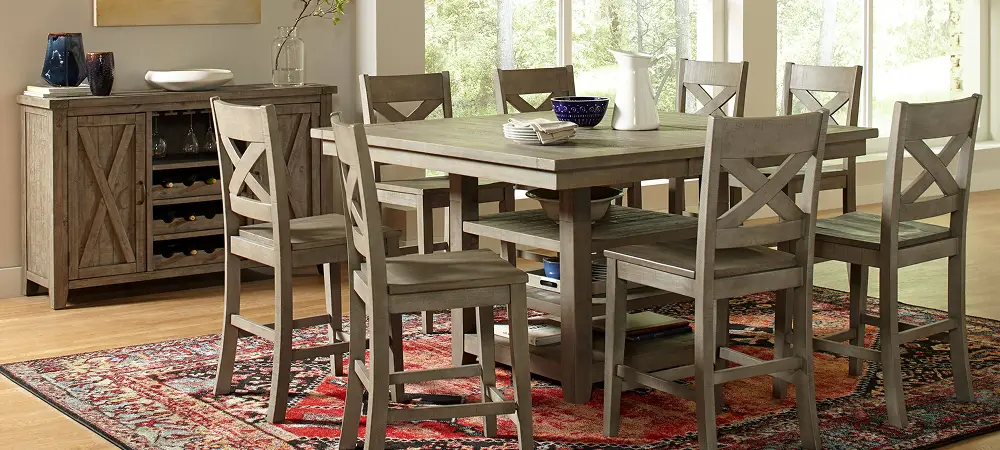
Square tables create a balanced, symmetrical look that pairs naturally with square rooms and breakfast nooks. They seat four comfortably with even spacing on every side — no one gets the awkward middle seat along a long edge. Extendable square tables with drop leaves can expand to seat up to eight, making them a versatile choice for households that host occasionally but don't need extra surface area every day.
Square tables pair especially well with banquettes or built-in corner seating, which turns a small footprint into a cozy, efficient dining nook. The main limitation is scalability: a square table that works beautifully for four becomes unwieldy when you try to seat six or more without expansion hardware.
Best for: square rooms, breakfast nooks, households of 2 to 4
Oval Kitchen Tables
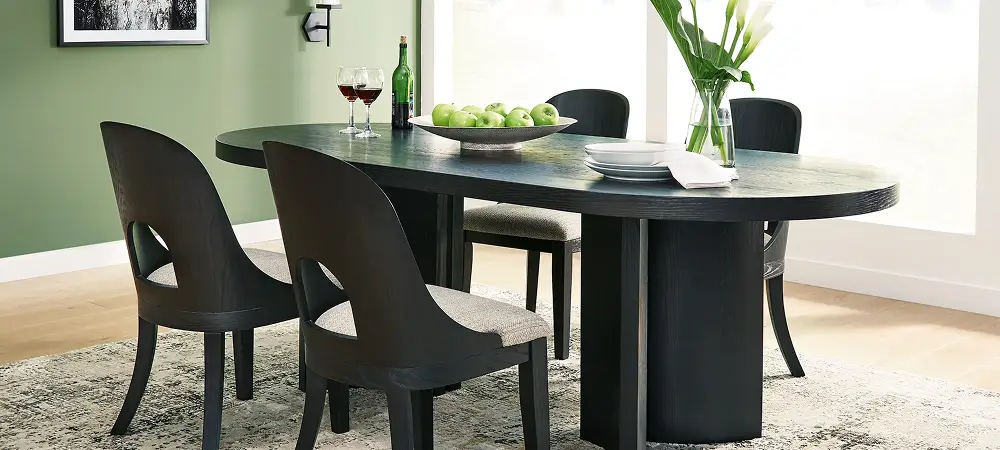
An oval table is a hybrid: it carries the length and seating capacity of a rectangle while softening the silhouette with rounded ends. That combination is harder to find than it sounds. The rounded ends ease movement in tighter dining areas, eliminate the sharp-corner hazard, and give the room a more approachable, less formal feel — which is why oval tables appear often in traditional, transitional, and farmhouse kitchens.
Oval tables typically seat 4 to 8 people with a tighter footprint than a rectangular table of the same length, since the rounded ends shorten the table's effective depth at each corner. The one practical limitation: their curved shape makes them harder to push flush against a wall if you ever need to consolidate space. For more ideas on how an oval table can anchor your kitchen, see our kitchen table ideas guide.
Best for: traditional or farmhouse kitchens, households that want rectangular seating with rounded edges
Matching Kitchen Table Shape to Room Size and Layout
Measure Before You Shop
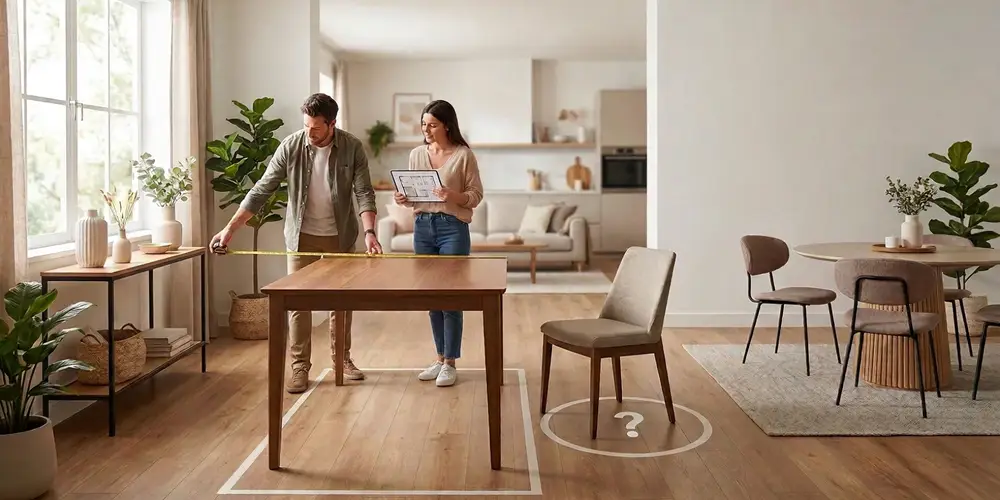
Start with the actual dimensions of your kitchen or dining area — full length and full width. Leave at least 36 inches between the table edge and any wall, cabinet, or appliance so diners can push their chairs back without obstruction. In high-traffic kitchens where people frequently walk through while others are seated, build in 42 to 48 inches of clearance to allow chairs to pull out freely without blocking the path. Once you know your usable footprint, you can identify which shapes fit and which ones will strain the room.
Choose Shape Based on Room Shape
Long, narrow rooms call for rectangular or oval tables, which align with the room's axis and leave clear lanes on either side. Square rooms are a natural match for round or square tables, which fill the center of the space without pushing too close to any one wall. Open-concept layouts benefit from a larger rectangular or oval table that anchors the dining zone and gives it visual weight. Eat-in kitchens—typically the tightest scenario—work best with round or square tables on pedestal bases, which minimize the visual footprint and keep movement easy. For guidance on getting the proportions right, see our standard dining table height guide.
Account for Doorways and Traffic Flow
Before you finalize a shape, note where the doors, appliances, and main walking paths fall. A table that fits by measurement can still block a refrigerator swing or pinch a path between the island and the wall. Rounded edges help wherever people pass between the table and a counter—a small detail that reduces hip-bumps significantly in a busy kitchen.
Seating Capacity and Social Dynamics by Shape
How Many People Each Shape Seats
Seating capacity depends on both shape and size, but here are the realistic ranges for standard kitchen table dimensions. Round tables with diameters of 36 to 60 inches seat 2 to 6 comfortably. Square tables seat 4, or up to 8 with extension leaves. Rectangular tables seat 4 to 10 or more depending on their length, making them the most scalable option. Oval tables seat 4 to 8, with a tighter overall footprint than a rectangular table of the same length because the curved ends recover some of the corners.
How Shape Shapes Conversation
Round and oval tables have a social advantage: no one sits at the head, which creates a more egalitarian dynamic — everyone is equally part of the conversation. Square tables produce a balanced, face-to-face arrangement that works naturally for families of four. Rectangular tables are well-suited to formal hosting and larger gatherings, but the people at opposite ends can feel removed from the table's center of activity. If your household entertains often, size up for maximum seating capacity; if the table is primarily for daily family meals, you can prioritize shape and proportion over maximum seats.
Lifestyle and Household Considerations
The shape that works best for your household depends on how the table gets used every single day, not just on special occasions. Young children benefit from a round or oval table that removes the corner-bump hazard entirely. Families who sit down together every night and occasionally host guests should look at extendable rectangular or square tables that can grow when needed. Frequent entertainers will appreciate the seating capacity of a rectangular or oval table with expansion leaves.
Couples or smaller households who mostly eat breakfast and lunch at the kitchen table may find a round bistro-style table in the 36- to 42-inch diameter range ideal—it's intimate without wasting space. Multi-purpose households that use the kitchen table for homework, crafts, or remote work should lean toward rectangular or square shapes, which deliver a consistent, flat working surface from edge to edge. Pet owners and households with heavy foot traffic benefit from pedestal bases, which keep the floor clear of legs that people and animals bump into. When you're ready to compare options at different price points, our affordable kitchen table guide is a useful next step.
Aesthetic Style Coordination
Match Shape to Design Style
Shape and design style go hand in hand. Modern and contemporary kitchens lean toward rectangular or oval tables with clean lines, minimal bases, and materials like tempered glass, lacquered wood, or brushed metal. Farmhouse and traditional kitchens are a natural match for rectangular tables with turned or trestle legs, or oval tables that add softness without sacrificing classic proportions. Transitional kitchens — which blend traditional and contemporary elements — tend to work well with oval or round pedestal tables that carry warmth without formality. Industrial-style kitchens suit rectangular tables with metal accents and reclaimed wood tops. Coastal and cottage kitchens feel right with round or oval shapes in light-toned finishes like whitewashed oak or pale ash.
Coordinate with Chairs and Surrounding Pieces
When pairing chairs with your table, match the chair style to the table's base, not just its top. A heavy turned-leg base looks right with upholstered side chairs; a sleek metal base suits molded plastic or slim wood chairs. Mix-and-match chair combinations—different styles in the same finish—work best around rectangular and oval tables, where the variety of seating reads as intentional rather than mismatched. For detailed guidance on getting the pairing right, see our guide on how to match dining chairs to a table.
How Coleman Furniture Helps You Choose the Right Shape
Coleman Furniture carries every major kitchen table shape from trusted American brands, so you can compare round, square, rectangular, and oval options side by side—each with the detailed specs you need to confirm fit before ordering. Product pages include length, width, height, seating capacity, and base style so there's no guessing about whether it will work in your room.
Every purchase includes free white glove delivery on thousands of items, which means your table arrives fully assembled and placed exactly where you want it—no lifting, no hardware, no stress. And if you have questions about shape, size, or style while you shop, real customer service specialists are available to help. You don't have to wonder what is the best shape for a kitchen table for your home; you can see every option clearly and order with confidence.
Planning Your Kitchen Table Purchase
✔ Measure the full length and width of your kitchen or dining area
✔ Map out traffic paths, door swings, and appliance clearances
✔ Decide on your typical and maximum number of diners
✔ Identify your kitchen's design style and existing chair pairings
✔ Set a realistic budget and consider extendable options if seating needs vary
✔ Review delivery, assembly, and return policies before ordering
Once those boxes are checked, you'll have a clear picture of which shape—and which size within that shape—fits your household. Browse dining and kitchen tables to compare the full selection and filter by shape, size, and style.
Browse Coleman's full collection of sofas, sectionals, accent chairs, and tables built to scale beautifully in larger living rooms—with free shipping and white glove delivery available on thousands of pieces.
Kitchen Table Shape FAQs
A round table is typically the best shape for a small kitchen. Round tables have no corners to navigate around, which keeps tight spaces feeling open and reduces the risk of bumping into sharp edges. A 36- to 42-inch round table on a pedestal base seats 2 to 4 people and takes up less visual and physical space than any other option. If the room is square, a compact square table works equally well.
It depends on family size and kitchen layout. Round tables are a strong choice for families of 2 to 4 because they encourage face-to-face conversation and eliminate sharp corners that are a concern for young children. Rectangular tables are better for larger families or households that host regularly, since they seat more people and scale up with extension leaves. If you have a long, open kitchen and more than four regular diners, rectangular is likely the more practical choice.
Round tables seat 2 to 6 depending on diameter (36 to 60 inches). Square tables seat 4, or up to 8 with leaves. Rectangular tables seat 4 to 10 or more depending on length. Oval tables seat 4 to 8 and typically accommodate more than a round table of the same footprint.
Leave at least 36 inches between the table edge and any wall, cabinet, or appliance so chairs can push back comfortably. In high-traffic kitchens where people walk through while others are seated, 42 to 48 inches of clearance is the better target. Measure this before you shop, not after the table arrives.
Round and oval tables are the safest options for households with young children because they have no sharp corners. A round table is the softest option overall; an oval table offers more seating capacity while still keeping the corner-bump hazard to a minimum. Both shapes are meaningfully safer than rectangular or square tables in kitchens where children move around freely.
Rectangular and oval tables work best in open-concept layouts. An open-concept kitchen or great room typically needs a larger, longer table to anchor the dining zone and give it visual presence. Rectangular tables are the most versatile choice at larger scales; oval tables offer the same seating capacity with a softer silhouette. Round and square tables can feel undersized and visually lost in a large, open space.