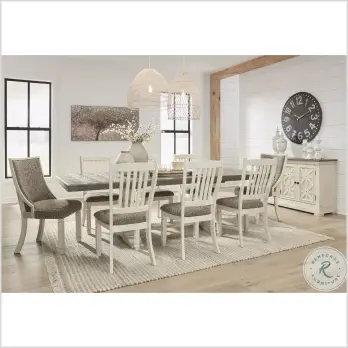
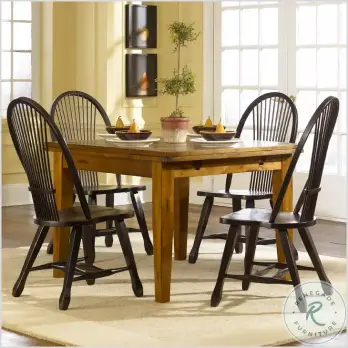
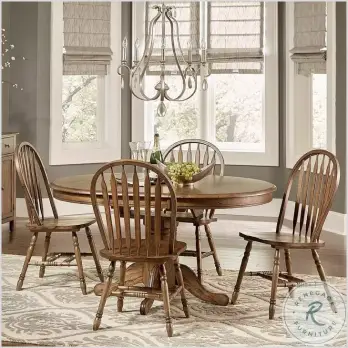
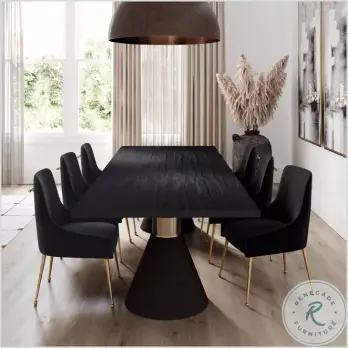
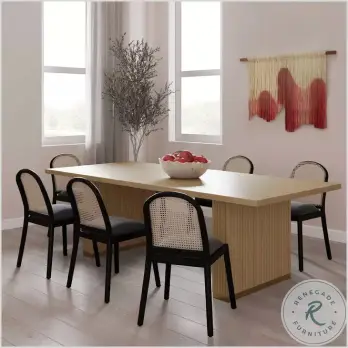
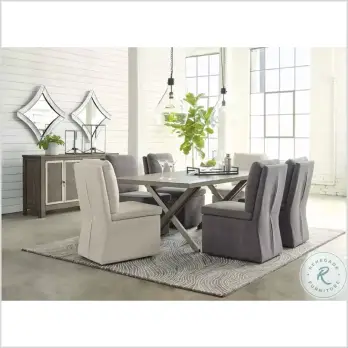
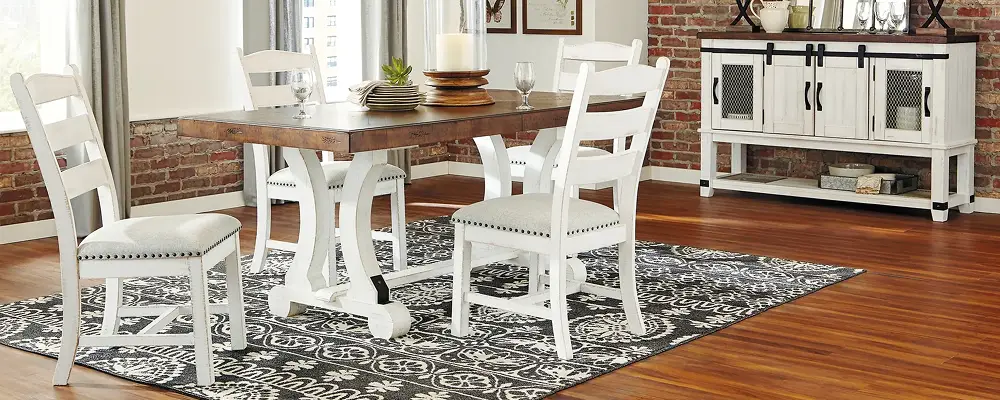
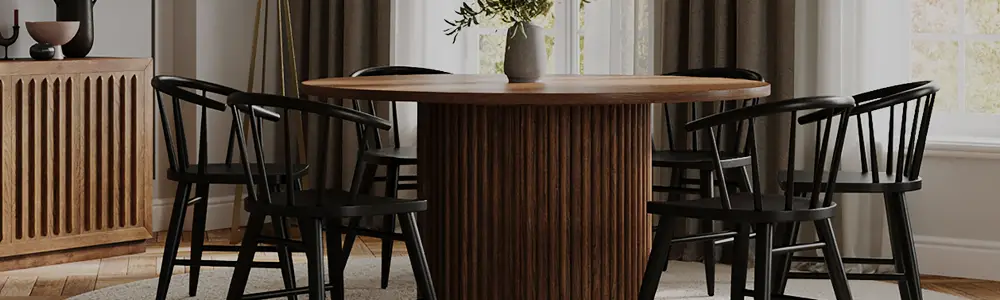
An affordable dining table can still offer durability, comfort, and style if you choose the right materials and construction.
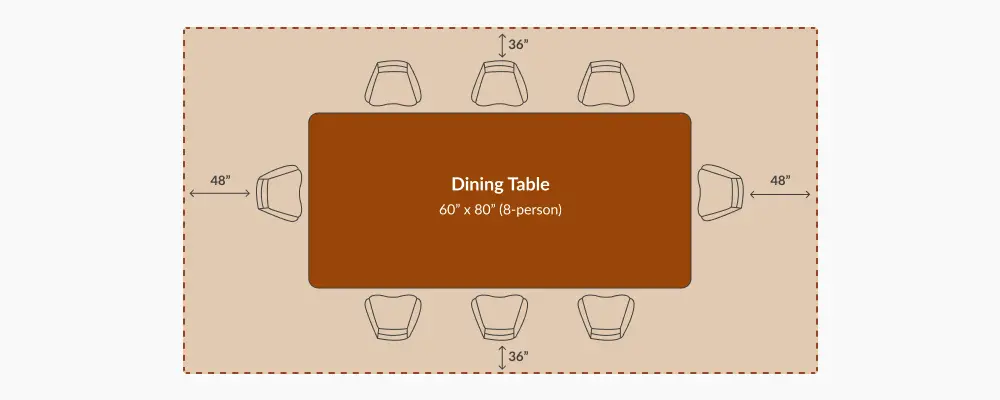
Table size and seating capacity should match your room layout and household needs — allow 36–48 inches of clearance around the table.
Budget-friendly options include extendable tables, compact round tables, and drop-leaf designs for smaller spaces.
Materials like solid wood veneers, engineered wood, and metal bases provide long-lasting value without the high-end price tag.
Pairing your table with the right chairs and layout helps create a functional, cohesive dining space without overspending.
What Is an Affordable Dining Table?An affordable dining table is a dining table designed to provide functionality, durability, and style at a budget-friendly price point without sacrificing essential quality. When most people hear "affordable," they picture flat-pack furniture that wobbles under a dinner plate — but that's rarely the reality today. The furniture market has evolved significantly, and shoppers now have access to genuinely well-made dining tables at a wide range of price points.What drives the cost of a dining table? A few key factors: the type of materials used (solid hardwood versus engineered wood, for example), the craftsmanship and finishing details, the size of the table, and the design complexity. Understanding these variables helps you make a smart, informed choice — whether you're outfitting your first apartment or upgrading a family home on a reasonable budget.In this guide, you'll learn how to evaluate quality at every price point, find the right size for your space, choose a style that suits your home, and ultimately walk away with a beautiful dining table that looks like it cost far more than it did. You can also browse dining room furniture collections at Coleman Furniture to see what's available across every style and budget.Understanding Budget Ranges for Dining TablesNot all affordable dining tables are created equal. Knowing what to expect at each price tier puts you in a much better position to shop confidently — and avoid buyer's remorse. Here's how to think about cost in three broad categories.
Entry-LevelUnder $500Best for starter homes, studios, and apartments. Compact designs, engineered wood tops, and simple silhouettes keep costs low without sacrificing function.
Mid-Range$500–$1,200The sweet spot for most families. Better finishes, sturdier construction, leaf extensions, and more style variety. This range offers the best value overall.
Affordable Premium$1,200–$2,000High-style tables that look and feel high-end — solid wood accents, farmhouse or statement designs — without venturing into true luxury pricing.
Entry-Level Dining Tables (Best for Starter Homes or Apartments)Entry-level dining tables typically feature engineered wood or MDF construction, smaller seating capacities (seats 2–4), and clean, unfussy designs. These are ideal for renters, first-time homeowners, or anyone furnishing a dining nook rather than a full room. Practicality is the priority here: easy to assemble, easy to move, and easy on the budget. You won't find a lot of ornate detailing at this tier, but you will find solid, functional pieces that do the job well. Look for tables with metal legs or bases for extra stability, which tend to be more durable than all-wood construction at the same price point.Need help prioritizing all the furniture in a new space? Coleman's furnishing a new home checklist for furniture planning is a great place to start.Mid-Range Affordable Dining Tables (Best Value for Families)The mid-range tier is where the biggest quality jump happens. At $500–$1,200, you'll start seeing tables with genuine wood veneers or solid wood accents, better surface finishes that resist scratches and stains, and smart features like butterfly leaf extensions that allow the table to grow with your family. Bases become sturdier — you'll see chunky trestle legs, turned pedestal bases, and reinforced corner blocks that reduce wobble. If you're furnishing a home where the dining table will see daily use from a household of three or more, this is the range to prioritize.Affordable Premium Tables (High Style Without Luxury Pricing)The affordable premium tier delivers tables that genuinely look and feel expensive. Farmhouse dining tables with distressed finishes, live-edge designs, tables with statement metal bases and thick wood tops — these are all achievable in the $1,200–$2,000 range. The craftsmanship is noticeably better: tighter joinery, richer finishes, and more complex design details that elevate the look of your entire dining room. If design matters as much as function in your home, this is where you'll find pieces that stand out.How to Choose the Right Size Dining Table
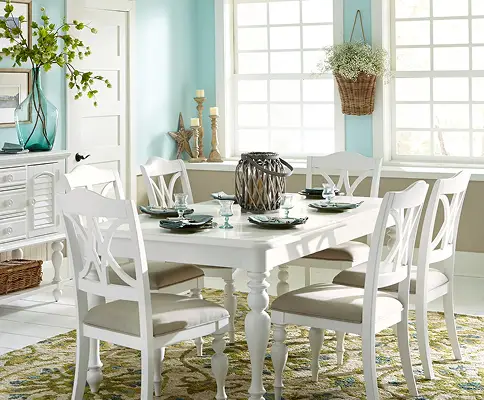
Proper spacing around a dining table — 36 to 48 inches — ensures comfortable movement and an uncluttered feel in any room size.Choosing the right dining table size is one of the most important decisions you'll make — get it wrong and even the most beautiful table will make your dining room feel cramped or awkward. The golden rule: always measure your room before you shop, and factor in the clearance space around the table, not just the table's footprint. As a general guideline, allow 36–48 inches between the edge of the table and any wall or piece of furniture. This gives seated guests enough room to push back their chairs and stand up comfortably, and allows people to move around the table without squeezing past.
Table Length / Diameter
Seats
Recommended Room Size
Best For
36–42" round or square
2-4
8' × 8' or larger
Studios, breakfast nooks
48–54" round
4-6
10' × 10' or larger
Apartments, compact dining rooms
60–72" rectangular
6
10' × 12' or larger
Average family dining rooms
72–84" rectangular
6–8
10' × 14' or larger
Larger families, occasional hosting
96"+ rectangular or extendable
8–10+
12' × 16' or larger
Formal dining rooms, frequent entertaining
For additional sizing guidance, check out Coleman's standard dining table height and sizing guide.Dining Tables for Small SpacesIf you're working with a compact dining area — a small apartment, a kitchen-dining combo, or a narrow breakfast nook — round tables and drop-leaf designs are your best friends. Round tables eliminate sharp corners, allowing you to seat more people in a tighter footprint, and they encourage conversation naturally since everyone faces each other. Drop-leaf tables are even more flexible: keep the leaves down day-to-day for a minimal footprint, then expand for dinner guests. A small round bistro table or a 48-inch round table can comfortably seat four without dominating the room. For more ideas tailored to tight spaces, explore our space-saving small dining room ideas.Dining Tables for Medium Dining RoomsA medium dining room — roughly 10 × 12 feet or larger — opens up a lot of options. A rectangular table seating 4–6 people is the workhorse of this category. Look for tables with an optional leaf extension so you can expand from 60 inches to 76 or even 84 inches when you have guests over. This gives you flexibility without permanently occupying extra floor space. Pedestal-base tables are a great choice here too, since there are no corner legs to block knee space, making it easier to squeeze in an extra chair at the holidays.Dining Tables for Large Dining RoomsFor large, formal dining spaces, go long. Rectangular tables in the 72–96-inch range seat 6–10 guests and make the most of an expansive room. Large extendable tables give you the best of both worlds: an elegant everyday dining experience that transforms into a banquet table when you need it. Trestle-base designs are particularly popular at this scale — they provide visual weight and structural stability for longer tabletops while keeping an open, airy look beneath.Best Materials for an Affordable Dining TableMaterial choice has the single biggest impact on both the price and the longevity of a dining table. Understanding the differences between material types helps you shop smarter and set realistic expectations for how your table will look and hold up over time.Solid Wood and Wood Veneers
Solid wood — oak, pine, rubberwood, acacia — is the gold standard for dining tables. It's durable, repairable, and only gets more beautiful with age. The tradeoff is cost: true solid wood tables tend to sit at the higher end of the affordable range or above. Wood veneers offer a smart compromise. A veneer is a thin layer of real wood bonded to a composite core, giving you the look and warmth of natural wood at a lower price. When properly made, veneer tables are resilient and attractive — and much of what you see in the mid-range tier uses veneer construction without any sacrifice in appearance.Engineered Wood and Composite Materials
MDF (medium-density fiberboard), particleboard, and other engineered wood composites form the backbone of entry-level and many mid-range dining tables. These materials are highly consistent, take paint and laminate finishes beautifully, and are genuinely budget-friendly. The main consideration: engineered wood is heavier than solid wood for its size and less resistant to moisture over time. Keep these tables dry and clean them promptly after spills. For renters or anyone not planning to keep a table for decades, engineered wood is a perfectly sensible choice that delivers excellent value per dollar.Metal and Mixed-Material Tables
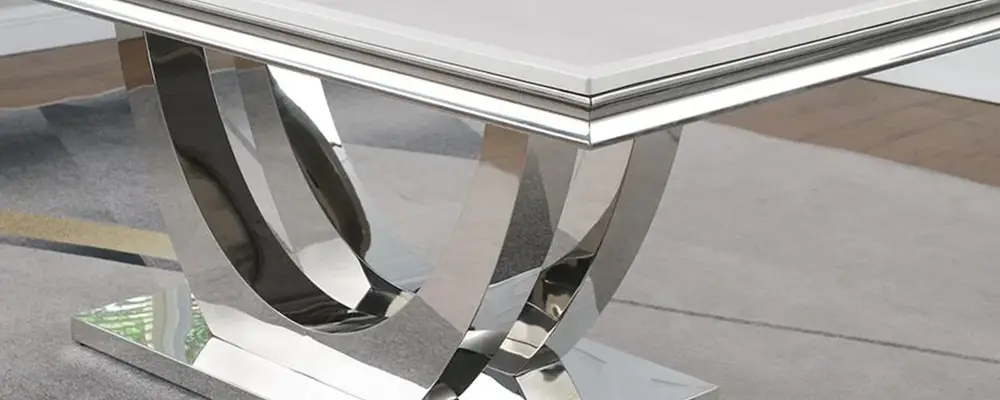
Metal-frame dining tables — typically featuring a powder-coated steel base paired with a wood or stone top — are among the most durable options available at any price point. They're popular in industrial, modern, and transitional dining rooms and hold up exceptionally well to daily wear. A chunky black metal base with a solid oak top is a design combination that looks far more expensive than it typically costs. Mixed-material tables also give you an easy entry point into statement design: the base does all the visual heavy lifting while the top keeps things practical.Popular Affordable Dining Table StylesOnce you've figured out your budget and size requirements, style is where you get to have fun. Here's a breakdown of the most popular dining table design categories — all of which are achievable at an affordable price point.
Modern Dining Tables
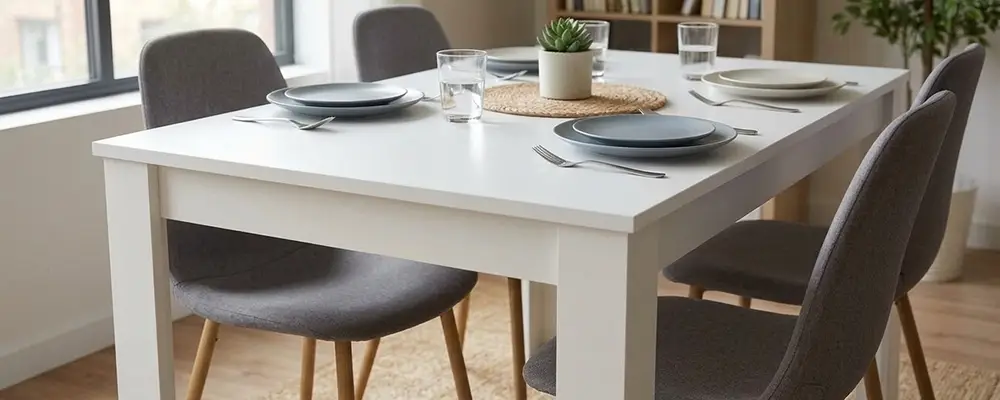
Modern dining tables are defined by clean lines, minimal ornamentation, and a restrained palette. Think smooth tabletops in white, gray, or natural wood tones, paired with tapered or geometric metal legs. This style works beautifully in contemporary homes and apartments where the goal is an uncluttered, airy aesthetic. If you love a cohesive, design-forward look, check out our mid-century modern dining room style guide for inspiration, or browse the Simplicity Caramel Rectangular Dining Table as a great example of modern design at an accessible price.
Farmhouse Dining Tables
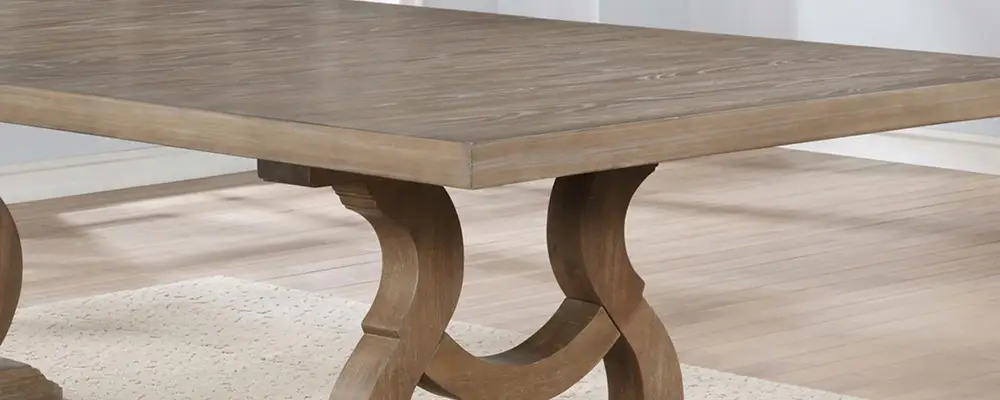
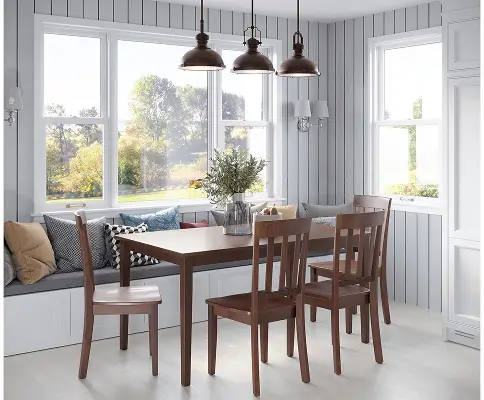
Farmhouse-style dining tables are among the most popular options in the affordable category — and for good reason. Their generous proportions, warm wood finishes, and sturdy trestle or turned-leg bases are inherently welcoming. Whether you lean toward a true rustic look with raw, distressed wood or a cleaner "modern farmhouse" take with white-painted legs and a natural top, this style is endlessly versatile.
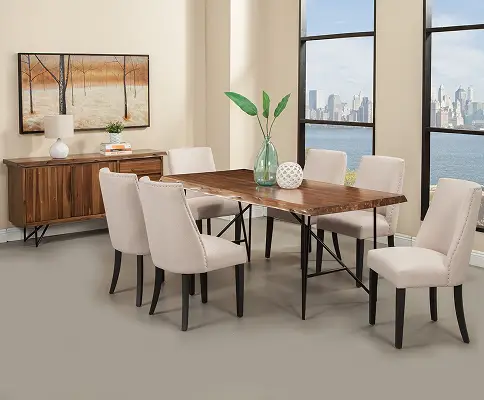
Industrial dining tables borrow from factory aesthetics: raw or reclaimed-looking wood tops, exposed metal bases, and a general no-nonsense attitude toward design. These tables are incredibly durable and add immediate personality to a dining room. The natural textures inherent in this style — live-edge slabs, brushed metal, visible joinery — mean no two tables look exactly alike, even in a production setting.
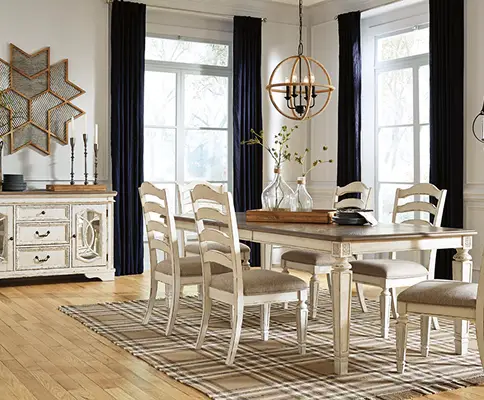
Traditional dining tables emphasize timeless shapes and craftsmanship details: turned legs, pedestal bases, rich cherry or espresso finishes, and classic rectangular or oval silhouettes. These tables are built to anchor a formal dining room and to last for years. They pair well with upholstered chairs and statement lighting.
Affordable Dining Table Shapes and Seating Capacity
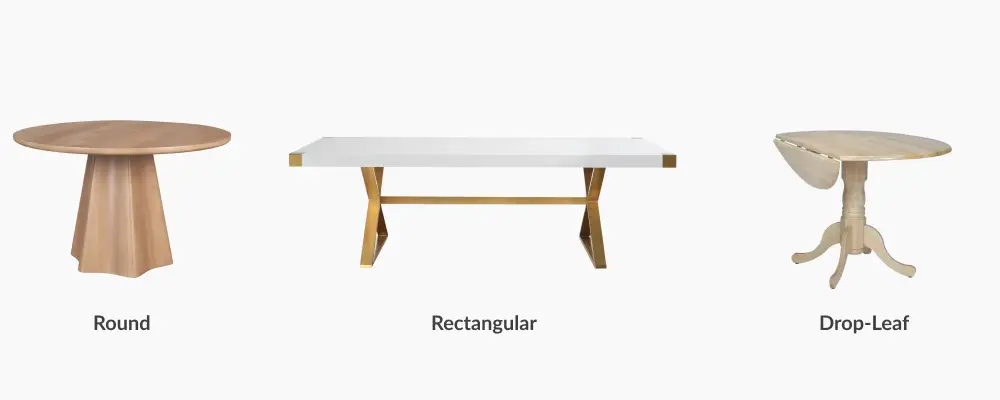
Shape influences far more than aesthetics — it affects how many people you can seat, how much clearance you need around the table, and how easily conversation flows during a meal. Here's how the most common shapes stack up.
Round Dining Tables
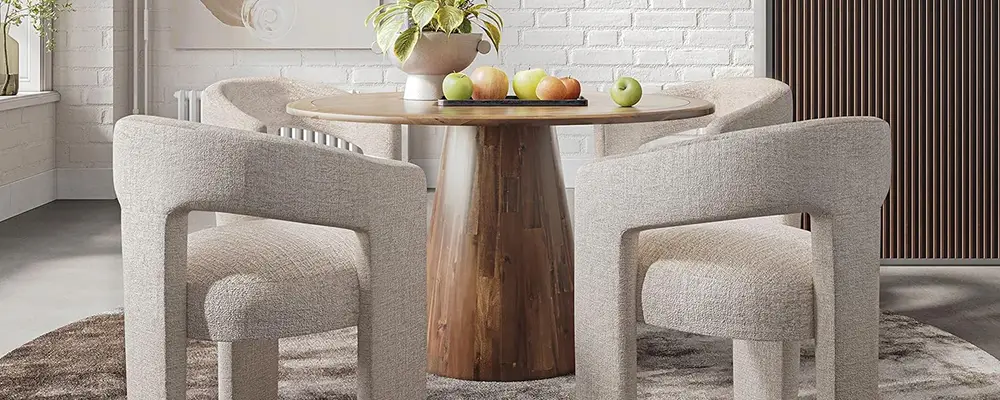
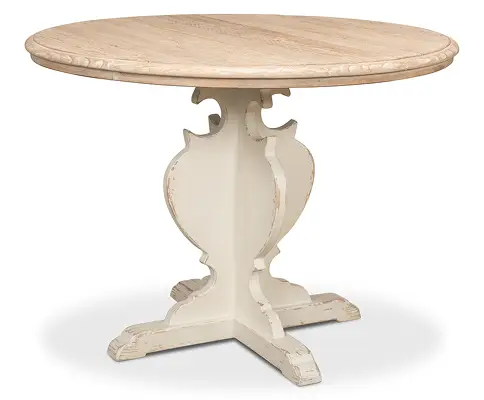
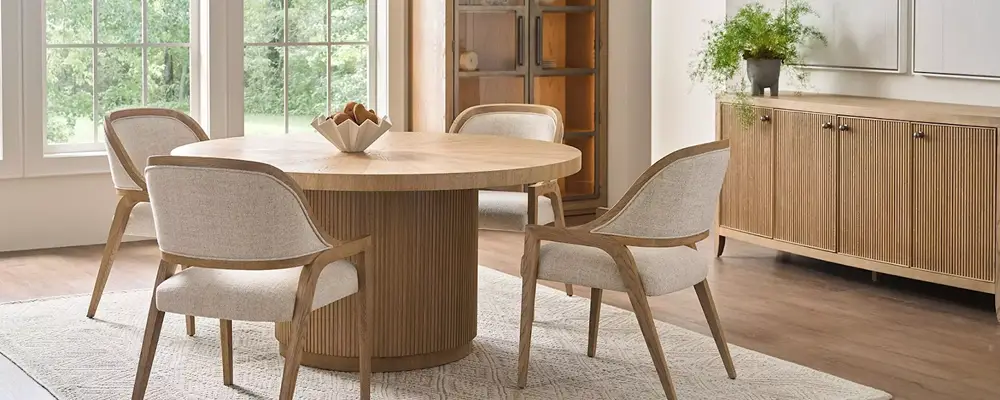
Round tables shine in smaller spaces and in rooms where conversation is the priority. Without sharp corners, they create a more intimate, egalitarian setting — no head of the table, just everyone gathered together. A 48–54-inch round table is a perfect fit for most apartments or small dining rooms, seating 4–6 comfortably. Browse round dining table sets for smaller spaces at Coleman, or consider the compact and charming Antique White Bistro Table for an apartment or breakfast nook setting.
Pro Tip: Round tables with a pedestal base instead of four legs give you more seating flexibility — you can often squeeze in an extra guest without anyone straddling a table leg.
Rectangular Tables
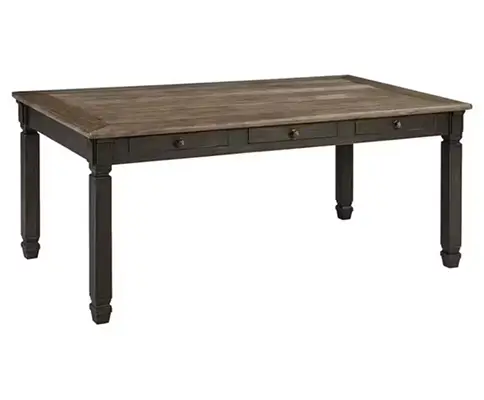
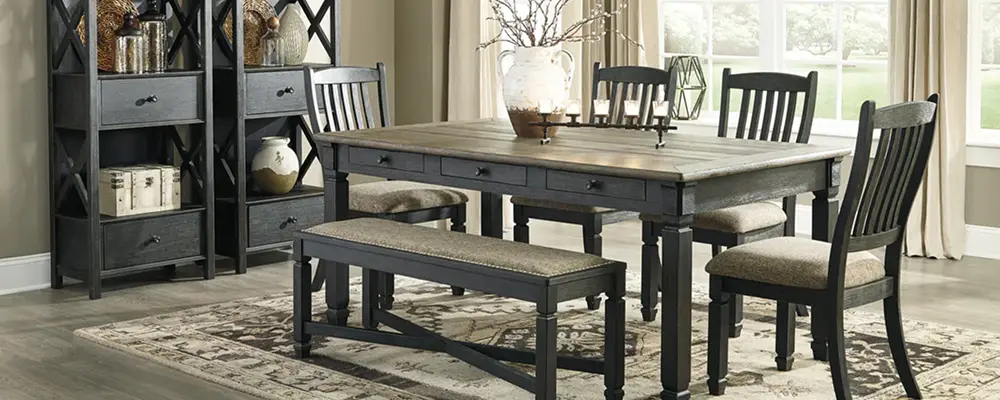
The rectangular table is the most common dining table shape for a reason: it seats the most people per square foot of room and fits naturally against walls or in defined dining spaces. Whether you're feeding a family of four every night or hosting a dinner party for eight, a rectangular table offers the flexibility and familiarity that most households need. Shop the Tyler Creek Black and Gray Rectangular Dining Table for a modern take on this classic format.
Drop-Leaf and Extendable Tables
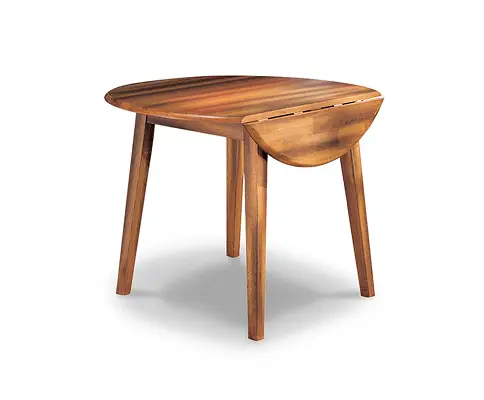
Drop-leaf and extendable tables are the ultimate solution for anyone who wants flexibility without permanently claiming floor space. Keep a drop-leaf table compact on a regular Tuesday night, then open both leaves for a weekend dinner party. Extendable tables work similarly — a butterfly leaf mechanism or simple insert leaf can add 12–20 inches of seating length in under a minute. Both formats are especially practical for apartments and smaller homes where space is a shared resource. Shop the versatile Berringer Rustic Brown Drop-Leaf Extendable Dining Table for a budget-friendly small-space option, or the Weatherford Heather Canterbury Extendable Dining Table for a larger extendable format with premium styling.
Affordable Dining Table Options to ConsiderThe following tables represent a curated selection from Coleman Furniture's collection, spanning multiple styles, sizes, and budget tiers — all chosen to deliver strong design and lasting value. Browse our full dining and kitchen table ideas for even more options.Extendable Dining TablesExtendable tables offer maximum versatility — perfect for everyday dining and easy expansion when entertaining guests. Leaf inserts or butterfly extensions typically add 12–20 inches of length, giving you a table that adapts as your needs change.
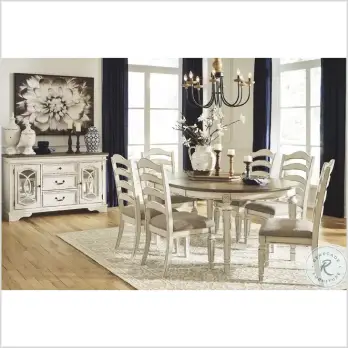
Realyn White Oval Extendable Dining TableShop Now →
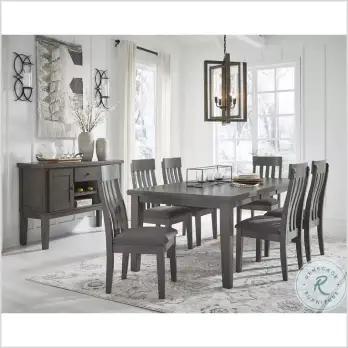
Hallanden Gray Rectangular Extendable Dining TableShop Now →
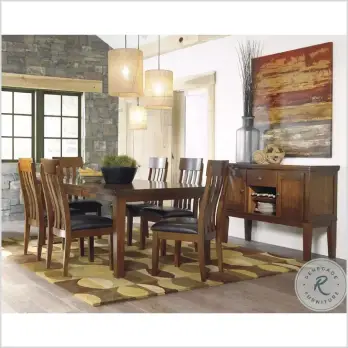
Ralene Medium Brown Butterfly Extendable Dining TableShop Now →
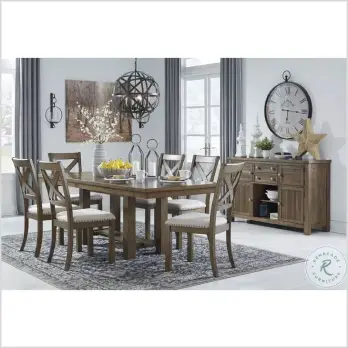
Moriville Grayish Brown Extendable Rectangular Dining TableShop Now →
Round Dining Tables for Compact SpacesThese round tables are sized and styled for smaller dining areas. Their circular silhouettes maximize seating efficiency while creating an open, welcoming atmosphere.
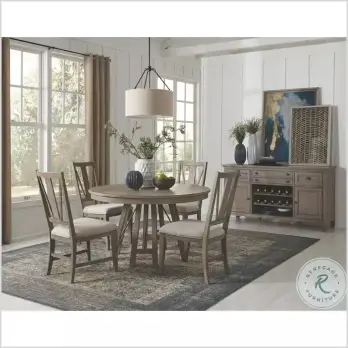
Paxton Place Dovetail Grey 52" Round Dining TableShop Now →
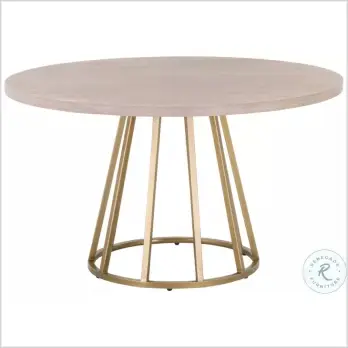
Turino Natural Gray and Brushed Gold 54" Round Dining TableShop Now →
Farmhouse and Rustic Dining TablesWarm, welcoming, and built to last — farmhouse and rustic tables bring a sense of character and history to any dining room. These designs often feature distressed finishes, plank-style tops, and sturdy trestle or turned-leg bases.
Bolanburg Two Tone Extendable Dining TableShop Now →
Treasures Rustic Oak Extendable Dining TableShop Now →
Carolina Crossing Antique Honey Oval Extendable Dining TableShop Now →
Contemporary Dining TablesFor a look that feels current and fresh, these contemporary tables combine modern materials and design sensibilities with the durability needed for real-life use.
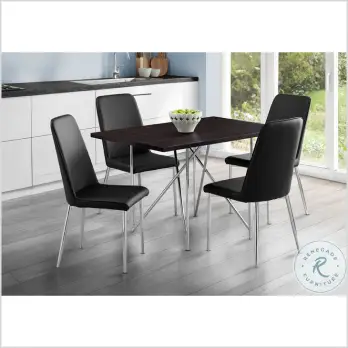
Rishi Black Rope Rectangular Dining TableShop Now →
Dining Table Sets vs. Buying SeparatelyOne of the most common questions shoppers face: is it better to buy a complete dining room set — table plus chairs — or to mix and match pieces separately? Both approaches have their merits, and the right answer depends on your priorities.
Dining Table Sets
Buying Table + Chairs Separately
Guaranteed visual cohesion — everything is designed to work together
Greater design flexibility and personalization
Often better overall value — sets are typically priced lower than equivalent individual pieces
Allows you to prioritize quality in the table while being more budget-conscious on chairs (or vice versa)
Single delivery and setup — more convenient
Can mix styles, materials, and eras for a curated, collected look
Less customization — you're limited to the combinations the manufacturer offers
Requires more planning and coordination
For most budget-conscious shoppers, a well-chosen set is the practical path: you get a coordinated look with a single purchase and typically save money overall. That said, if you already own chairs you love — or want to create a deliberately eclectic aesthetic — buying separately gives you the creative latitude to do so.Delivery and Buying ConsiderationsBefore you click "add to cart" on an affordable dining table, there are a few practical factors worth considering beyond design and price. Delivery and setup logistics can significantly affect your experience — especially with large furniture items.
Weight and packaging: Dining tables can be heavy — particularly solid wood or metal-base models. Make sure your delivery location is accessible, and consider whether you'll need help with the final placement. Measure not only your room but also doorways, hallways, and stairwells to confirm the table will fit through on its way in.
Assembly: Most dining tables require some assembly — typically attaching the legs or base to the tabletop. This is usually a manageable 30–60 minute task for two people with basic tools. Check the product description for assembly details before purchasing.
White Glove Delivery: Coleman Furniture offers free White Glove Delivery on thousands of items — meaning your table is brought inside, assembled, and placed in the room of your choice, with all packaging removed. This service is included at no extra charge on qualifying items and makes a real difference, especially for heavier pieces. Learn more about Coleman Furniture delivery options.
Delivery timeline: Standard lead times vary by product, but Coleman Furniture provides estimated delivery windows at checkout so you can plan accordingly. If you're on a tight timeline for a move or an upcoming event, look for in-stock items with shorter lead times.
Why Choose Coleman Furniture for an Affordable Dining Table
When it comes to finding an affordable dining table that doesn't compromise on style or quality, Coleman Furniture delivers. Our dining room collection spans hundreds of tables across every style category — modern, farmhouse, traditional, industrial, and everything in between — at price points designed to make quality accessible for every home.What sets Coleman apart isn't just the selection. It's the total value of the shopping experience. Every order ships free within the contiguous United States, and thousands of items include free White Glove Delivery — setup included, no hidden fees. Our product pages include detailed dimensions, material descriptions, and customer reviews so you can shop with confidence from home.Whether you're outfitting a compact apartment or furnishing a formal dining room, you'll find beautiful, well-made tables at prices that make sense. Explore the full range and shop dining room furniture online at Coleman Furniture today.
Coleman Furniture Has the Best Dining Tables at the Most Affordable Prices.Browse hundreds of styles, sizes, and designs — with free shipping and free White Glove Delivery on thousands of items.
An affordable dining table is generally one priced under $1,200, though "affordable" is relative to your budget and expectations. Entry-level tables under $500 typically feature engineered wood construction and simple designs. The $500–$1,200 mid-range offers the best combination of quality and value, with better materials and more design variety. Material choice is the biggest cost driver: solid hardwood tables cost more than veneered or composite alternatives, but all three can deliver excellent value when well-made.
For a kitchen table that will see daily use and frequent cleaning, engineered wood with a durable laminate or lacquer finish is a practical, budget-friendly choice. Veneer-topped tables offer a step up in appearance — the look of real wood at a lower cost — and hold up well with proper care. Solid wood is the most durable long-term choice, though it tends to sit at the higher end of the affordable range. Metal-base tables with wood or composite tops are also excellent for kitchens: the base is virtually indestructible and the top is easy to replace if needed.
Start with your room dimensions and work backwards. Allow a minimum of 36 inches — ideally 42–48 inches — of clearance around the table on all sides for comfortable movement. For a household of 2–4, a 48–60-inch table typically works well. Families of 4–6 usually find a 60–72-inch table sufficient. If you entertain regularly, consider an extendable table that can expand beyond your everyday size when needed.
Yes, especially if your space or lifestyle calls for flexibility. An extendable table lets you maintain a smaller, more manageable everyday footprint while expanding for dinner parties or holiday gatherings without needing a second table. Butterfly leaf mechanisms are the most convenient — the leaf stores inside the table and opens with a simple pull-apart action. For households that entertain even occasionally, the added versatility is well worth the modest additional cost.
Round tables and drop-leaf tables are the best choices for small spaces. Round tables eliminate wasted corner space and can often seat one more person than a same-width rectangular table. Drop-leaf designs are the most space-efficient option of all — fold both leaves down and a 4-person table shrinks to a console-sized piece that barely occupies the room. If you're working with a very tight dining area, a 36–48-inch round table or a compact drop-leaf model is almost always the right call.