

What to Look for in a Durable Sofa
A sofa is one of the most-used pieces of furniture in your home. It's where you unwind after a long day, where movie nights happen, where kids pile on, and where life gets lived. So when you're investing in a new one, durability isn't just a nice-to-have. It's everything.
But here's the thing: not all sofas are built the same. A sofa can look well-made on a showroom floor and start sagging within a year. The difference between a sofa that lasts a decade and one that gives out in a few seasons comes down to a handful of specific construction details: frame, foam, fabric, and how it's all put together. Before you start shopping, it helps to know exactly what to look for. This guide covers it all, from frame materials and cushion density to upholstery choices, durable sofa styles, and which options work best for your specific lifestyle. If you're still sorting out the basics, our guide on how to choose a sofa is a great place to start.
Key Takeaways
- A durable sofa starts with strong frame construction and high-density cushions
- Performance upholstery is critical for long-term durability
- Not all durable couches are built the same. Materials matter
- A durable sectional sofa should combine structure, fabric strength, and support
- Coleman Furniture offers durable sofa options designed for everyday living
What Makes a Sofa Truly Durable?
A durable sofa is built with a reinforced frame, high-density cushioning, and upholstery designed to withstand daily use. That's the short answer. The longer one is that durability isn't about how a sofa looks; it's about how it's engineered.
A sofa can have a sleek profile, beautiful fabric, and impressive dimensions. But if the frame is made from soft, untreated wood, or the cushions use low-grade foam, it won't hold up the way you need it to. Real longevity comes from the inside out: from the joints that hold the frame together, the density of the foam in the seat cushions, and the quality of the fabric woven across the surface.
Think of it like a well-built house. You can put great paint on weak walls, but it won't stop the structure from shifting. A quality sofa is no different. When all four elements — frame, foam, fabric, and construction — are done right, you get a piece of furniture that holds its shape, support, and appearance for years.
Frame Construction & Structural Integrity
The frame is the backbone of any sofa. It determines how much weight the sofa can support, how well it holds its shape over time, and whether the whole piece will stand firm after thousands of hours of daily use. Durable couches rely on strong frames. The best frames start with the right materials and joinery.
Kiln-Dried Hardwood Frames
Not all wood is created equal when it comes to furniture. Kiln-dried hardwood is the gold standard for sofa frames because the drying process removes moisture from the wood fibers, which dramatically reduces the chance of warping, cracking, or twisting over time. The result is a frame that's denser, more stable, and stronger under load. Woods like oak, maple, beech, and alder are common choices. Each brings solid load-bearing strength and a longer lifespan compared to frames made from softwood, particleboard, or MDF.
Reinforced Joinery
Even the best wood frame will fail if the joints aren't built to last. Quality sofas use multiple reinforcement methods working together:
- Corner blocks: Triangular wood pieces glued and screwed into frame corners to prevent racking and twisting
- Dowel joints: Cylindrical wooden pegs that lock frame pieces together with precision and resist lateral stress
- Metal reinforcements: Bolts and brackets at high-stress connection points (like where the arms meet the seat base) that add lasting rigidity
The more reinforcement methods a manufacturer uses, the more likely your sofa is to stay solid for the long haul.
Suspension Systems
The suspension system sits between the frame and the cushions, and it plays a bigger role in comfort and durability than most people realize. There are three main types:
- Sinuous springs (also called S-springs or zig-zag springs): A cost-effective system that provides good basic support in most mid-range sofas
- Eight-way hand-tied springs: The premium option, where coil springs are individually tied in eight directions for maximum give, bounce-back, and long-term support. This is what you'll find in the highest-quality sofas
- Webbing support: Interlaced rubber or fabric straps used in lighter-weight sofas; durable enough when made from heavy-duty materials
Pro Tip: When shopping in person, press down firmly on the seat cushion and release. A quality suspension system will spring back evenly with no creaking or sagging. If it feels flat or you hear noise from the frame, that's a warning sign.
Ready to explore options? Browse our full couches and sofas collection at Coleman Furniture.
Cushion Density & Foam Specifications
Once you've confirmed the frame is solid, the next most important factor in sofa durability is the cushioning. Durable sofa comfort depends on cushion density, and density is something you can actually compare when you know what to look for.
High-Density Foam
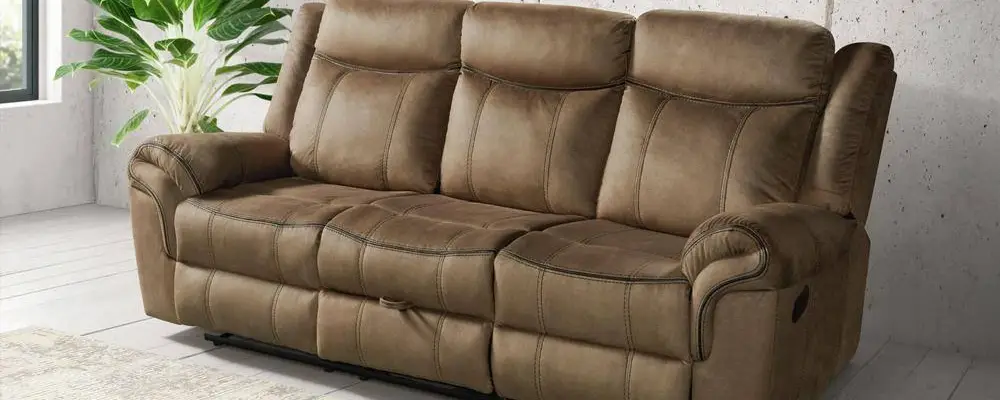
Foam is measured in pounds per cubic foot. The higher the number, the denser and more resilient the foam. For a sofa cushion that will hold up to daily use without sagging or bottoming out, look for foam in the 1.8 to 2.5 lb density range. Here's what that means in practice:
- Below 1.5 lb: Budget foam that breaks down within one to two years of regular use
- 1.8 to 2.0 lb: Good entry-level quality that holds its shape well and suits moderate-use households
- 2.0 to 2.5 lb: High-performance range, ideal for heavy daily use, pets, and larger households
- 2.5 lb and above: Contract-grade density, often found in commercial furniture
Higher-density foam maintains its shape longer, prevents premature sagging, and gives you consistent support year after year.
Multi-Layer Cushioning
The best durable sofas don't rely on a single block of foam. Multi-layer cushion construction combines different materials to optimize both comfort and longevity:
- Foam and fiber wrap: A high-density foam core wrapped in a soft fiber layer gives you structure underneath and a plush, inviting feel on top
- Memory foam blends: Slower-response foam that molds to body shape and pairs well with a firmer foam base for full support
- Down-alternative fill: Soft, lightweight fill used in the outer cushion layer for a luxury feel without the maintenance challenges of real down
Seat Depth and Support
Cushion construction also affects how weight is distributed across the seat. A well-built sofa cushion supports long-term comfort because it distributes weight evenly across the full seat area, not just where you sit most often. The cushion should have strong bounce-back performance. Press down, release, and the seat should return to its original shape without delay. If a cushion feels like it swallows you or stays compressed after you stand up, the foam quality isn't where it needs to be.
Choosing the Most Durable Fabric for Sofa Upholstery
Upholstery plays a big role in how a durable sofa feels, how it looks, and how long it lasts. Choosing the right durable fabric for your sofa isn't just about aesthetics — it's a functional decision that affects how your sofa holds up to spills, pets, kids, sun exposure, and years of everyday wear. See our full couch materials guide for a deep dive on every fabric type.
Performance Fabrics
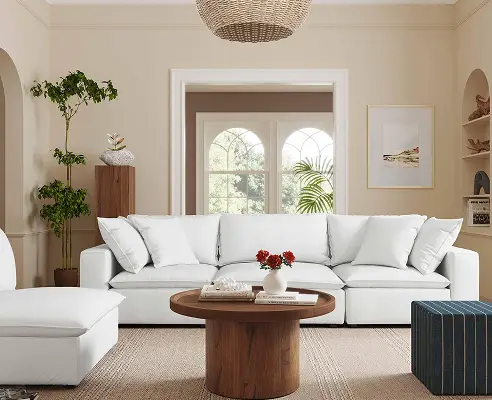
Performance fabrics are engineered specifically to handle the wear and tear of real life. They're tightly woven, easy to clean, and designed to resist fading, pilling, and staining. Some of the most popular options include:
- Polyester blends: Affordable, resilient, and resistant to fading and moisture; a top choice for high-use households
- Microfiber: Ultra-fine fibers create a soft surface that's surprisingly tough; excellent for repelling liquids when properly treated
- Crypton fabrics: A step above standard performance fabrics, engineered with built-in moisture barriers and antimicrobial properties, making them ideal for pets and allergy-conscious households
When comparing performance fabrics, look at the rub count rating (also called the Martindale or Wyzenbeek count). This number tells you how many rubs a fabric can withstand before showing wear. For residential use, aim for 15,000 rubs or higher. For heavy-use or commercial spaces, 30,000 or more is the benchmark.
Durable Leather Options
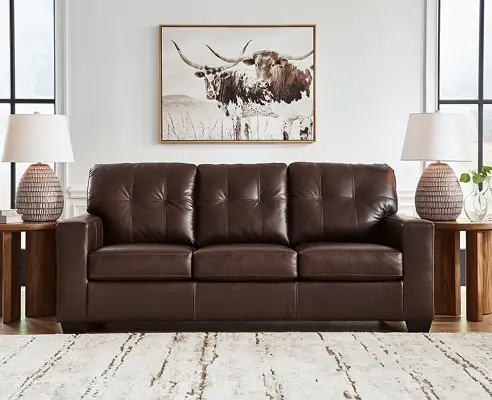
Leather is one of the most durable sofa materials available when you choose the right grade. Not all leather is equal, and knowing the difference helps you invest wisely:
- Full-grain leather: The highest quality, made from the top layer of the hide with the natural grain intact. It develops a rich patina over time and is incredibly tough, but it requires conditioning to stay supple
- Top-grain leather: Slightly buffed for a more uniform appearance; still high quality and durable, and easier to maintain than full-grain
- Bonded leather: Made from leather scraps bonded together; significantly less durable and prone to peeling over time. Worth avoiding if longevity is your priority
If you're drawn to leather, explore our full range of leather couches. And when it's time for upkeep, check out our tips on how to clean leather furniture to keep your investment looking its best for years.
Durable Sofa Styles That Stand the Test of Time
Choosing a durable sofa style isn't just about finding something that looks good. It's about picking a silhouette and structure that will hold up physically over years of use. Some sofa styles are inherently better built for long-term durability than others. Here's a breakdown of the most reliable durable sofa styles to consider.
Classic Rolled Arm Sofas
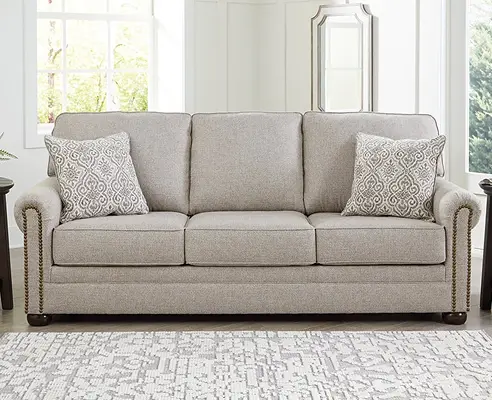
The rolled arm sofa has been a living room staple for generations, and there's a reason it keeps coming back. Beyond its timeless aesthetic, the rolled arm design features a reinforced arm structure that integrates directly into the frame, distributing stress more evenly than exposed wooden arms or tight, square arms. This makes them structurally sound over the long term and less prone to wobbling or loosening where the arm meets the seat.
Tight-Back Sofas
Tight-back sofas — those with cushioning attached directly to the back frame rather than loose back cushions — offer two key durability advantages. First, there's reduced cushion wear, since the back padding is protected from the constant repositioning and bunching that loose cushions experience. Second, the cleaner silhouette tends to involve more structural back support built into the frame itself, which adds long-term rigidity to the whole piece.
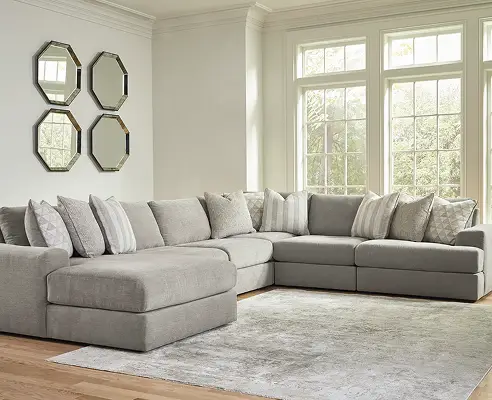
Sectionals Built for Strength
A well-built durable sectional sofa is one of the most reliable seating options available, provided the modular components are properly engineered. Look for reinforced modular joints that connect each section securely without relying solely on interlocking clips, and stable corner connectors that prevent individual pieces from drifting or separating with use. Explore our picks for the best sectional sofas, or browse our selection of modular sectionals for flexible configurations designed with durability in mind.
Durable Sofas for Specific Use Cases
One of the most important questions to answer before buying a durable sofa isn't just "how is it built?" It's "what does it need to withstand?" A sofa for a childless couple with no pets has very different durability demands than one in a busy family home or a rental property. Here's how to match your choice to your lifestyle.
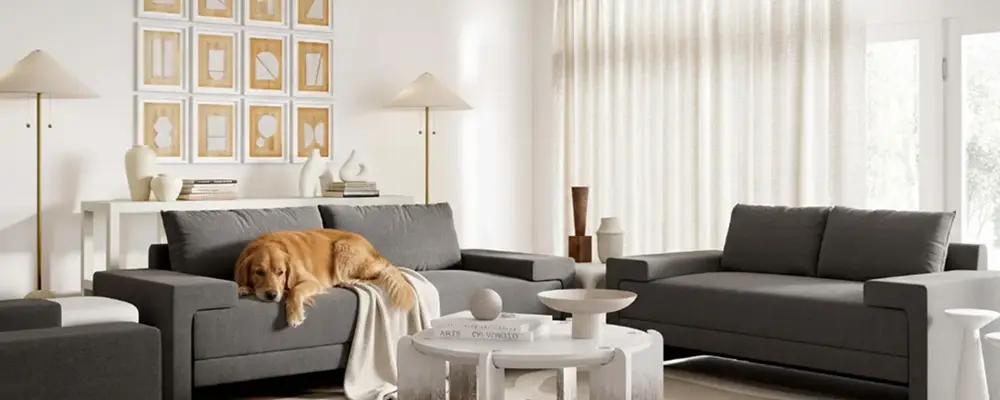
Pet Owners
- Scratch-resistant fabrics (microfiber, Crypton, tight-weave polyester)
- Tight weave upholstery that resists claw snags
- Easy-clean, moisture-resistant materials
See our guide to the best couches for dogs.
Families with Kids
- Stain-resistant performance fabric
- Washable or removable cushion covers
- Reinforced seat cushions (2.0 lb and above)
Read our full guide on best couch material for kids.
High-Traffic Living Rooms
- Higher-density foam (2.2 to 2.5 lb range)
- Reinforced hardwood frames with corner blocks
- Performance fabric upholstery
Shop our living room sets designed for everyday living.
Commercial & Rental Spaces
- Contract-grade upholstery (30,000+ rub count)
- Replaceable or reversible cushions
- Heavy-duty steel-reinforced frame construction
Look for commercial-grade options with replacement part availability.
Sectional vs Sofa — Which Is More Durable?
If you're deciding between a durable sectional sofa and a traditional sofa, durability isn't a black-and-white answer — it depends on how each is built and how you plan to use it.
A standard sofa carries its weight across a single unified frame, which can be an advantage in terms of structural simplicity. There are fewer joints to worry about, and less potential for individual sections to shift or wear unevenly. A well-built traditional sofa with a kiln-dried hardwood frame and quality suspension can last 10 to 15 years in a typical household.
A sectional sofa distributes weight across multiple connected pieces, which changes the durability equation. The modular stress points (where sections connect) are critical. A well-engineered durable sectional sofa uses reinforced connectors and locking hardware to keep sections firmly in place. A poorly built one will start separating and wobbling within a few years. The upside is that sectionals often have deeper seats and more robust frames due to their larger footprint, and modular designs allow you to replace individual sections if one wears out faster than the rest.
For a deeper look at the structural differences, see our guide on sectional vs sofa. Still deciding what to call what you're looking at? Our breakdown of sofa vs couch clears that up too.
Bottom line: Both can be highly durable. The key is in the construction quality, not the form factor.
Maintenance Tips to Extend the Life of a Durable Sofa
Even the most well-built sofa needs some ongoing care to keep it performing at its best. The good news is that the right maintenance habits take very little time and can significantly extend your sofa's lifespan. Here are the most important steps:

- Rotate cushions regularly: Flipping and rotating seat cushions every few weeks distributes wear evenly and prevents one area from compressing faster than another
- Vacuum upholstery weekly: Use a soft brush attachment to remove dust, pet hair, and debris before it works its way into the fabric weave and accelerates wear
- Spot-clean stains immediately: The faster you treat a spill, the less likely it is to set. Always blot, never rub, and use a cleaning solution appropriate for your fabric type
- Protect from direct sunlight: UV rays fade and weaken most upholstery fabrics and leathers over time. Use curtains or position your sofa away from direct sun exposure where possible
- Keep pets' nails trimmed: A simple habit that reduces micro-tears in upholstery and extends fabric life significantly
- Tighten loose connections: For sectionals, check that the section connectors are secured a few times per year
For fabric-specific cleaning instructions, check out our complete guide on how to clean a couch.
Signs a Sofa Is Not Built to Last
Knowing what to look for in a quality sofa also means knowing what to avoid. Here's a quick comparison of durability red flags versus the construction markers that signal a well-built piece:
Red Flags
- ✗ Soft or lightweight wood frame (feels hollow when knocked)
- ✗ Low-density foam that compresses easily and slowly rebounds
- ✗ Thin, loosely woven fabric that snags or pills quickly
- ✗ Loose or wobbly joints out of the box
- ✗ No information provided on foam density or frame material
- ✗ Unusually low price with no explanation of materials
See our guide to the best couches for dogs.
Quality Signals
- ✓ Kiln-dried hardwood frame disclosed by manufacturer
- ✓ 1.8 lb and above foam density specified in product details
- ✓ High rub-count performance fabric or full/top-grain leather
- ✓ Corner blocks, dowel joints, or metal reinforcements mentioned
- ✓ Transparent material specs and warranty coverage provided
- ✓ Positive verified reviews mentioning long-term durability
Read our full guide on best couch material for kids.
Watch out: A sofa that looks and feels great in a showroom can still fail quickly if the manufacturer doesn't disclose what's inside. Always ask about foam density, frame material, and joinery methods before buying.
Why Brand Authority Matters in Durable Sofas
When you're investing in a sofa you expect to last for years, the brand behind it matters. A manufacturer with a strong reputation for craftsmanship is more likely to use quality materials consistently, stand behind their product with a meaningful warranty, and be transparent about what goes into each piece.
Here's what to look for when evaluating brand authority in the furniture space:
- Reputation for craftsmanship: Established brands with a long track record of furniture manufacturing tend to have refined their construction processes over time
- Verified customer reviews: Look for reviews that specifically mention durability, longevity, and how a piece holds up after one, two, or more years of use
- Transparent material specifications: Trustworthy brands list foam density, frame material, and fabric construction details upfront, not buried in fine print
- Warranty coverage: A manufacturer confident in their construction will back it with a meaningful warranty on the frame and cushions
At Coleman Furniture, we carry sofas from brands that meet these standards, and we provide the product detail and customer support to help you shop with confidence.
We Have the Perfect Sofa for Your Space
Look into our durable sofa options — wide selection, multiple upholstery choices, and free nationwide delivery on qualifying orders.
Finding the Perfect Durable Sofa at Coleman Furniture
At Coleman Furniture, we take pride in offering a durable sofa selection from brands renowned for their excellent quality and long-lasting construction. Whether you're looking for a traditional rolled arm sofa, a performance fabric sectional for a family with young kids, or a leather couch built to develop character over decades, our collection gives you options that are built to last.
Here's what sets Coleman apart when it comes to durable couches:
- Wide selection: Hundreds of sofas across styles, sizes, and configurations, from compact loveseats to oversized U-shaped sectionals
- Multiple upholstery options: Performance fabrics, full-grain leather, top-grain leather, microfiber, velvet, and more
- Strong frame construction: We carry sofas with kiln-dried hardwood frames, reinforced joinery, and quality suspension systems
- Nationwide delivery: Free delivery on all orders within the contiguous US, with White Glove in-home setup on qualifying purchases
Browse our full Living Room catalog today and find the right combination of style, comfort, and construction for your home.
A durable sofa is built with a kiln-dried hardwood frame, reinforced joinery (corner blocks, dowel joints, and metal reinforcements), a quality suspension system, high-density foam cushions (1.8 lb or higher), and upholstery with a high rub count. Durability is determined by internal construction, not exterior appearance.
Performance fabrics like Crypton, tightly woven polyester blends, and microfiber consistently rank among the most durable fabric for sofa upholstery in residential settings. For the absolute longest-lasting option, top-grain or full-grain leather is hard to beat — it develops character with age rather than deteriorating. For a full comparison, see our couch materials guide.
A well-built sofa with a hardwood frame and high-density cushions should last 10 to 15 years in a typical household with regular maintenance. High-quality leather sofas can last 20 years or more. Budget sofas with soft wood frames and low-density foam often show significant wear within 3 to 5 years.
Neither is inherently more durable — it depends on the build quality. A well-engineered durable sectional sofa with reinforced modular connectors can be just as long-lasting as a traditional sofa, and the ability to replace individual sections adds a practical advantage. For a full comparison, see our guide on sectional vs sofa.
Rotate and flip cushions regularly to distribute wear evenly, vacuum upholstery weekly to prevent fiber degradation, spot-clean spills immediately, and keep the sofa out of direct sunlight. For detailed care by material type, check our guide on how to clean a couch.
For everyday residential use, look for seat cushions in the 1.8 to 2.5 lb per cubic foot density range. Foam at 2.0 lb and above provides the best balance of comfort and long-term shape retention. Anything below 1.5 lb tends to break down within a year or two of regular use.