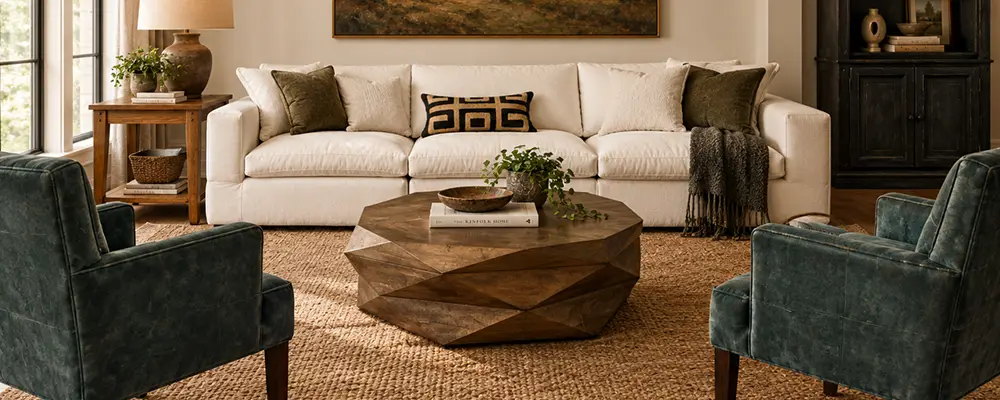
How to Design a Family Room That Actually Gets Used
A family room is the room you actually live in. A formal living room is often kept for guests, while the family room handles weeknight TV, board games, homework spread across the coffee table, and the dog claiming a corner of the sofa. That daily use is exactly why it needs to hold up to real life.
Learning how to design a family room comes down to balance. Comfort and durability matter, but so does intentional style, and you don't have to pick one over the other. This guide covers the practical planning first (purpose, layout, seating, lighting, and storage), then the finishing touches like color, texture, and flooring that make the room feel complete.
Key Takeaways
- A family room should be planned around how it's actually used daily, not just how it looks in photos.
- Durable, family-friendly materials (performance fabric, easy-clean surfaces) matter as much as style in a room that sees heavy daily use.
- Layout should orient seating around a clear focal point, whether that's a TV, a fireplace, or both.
Purpose and Functionality Planning
The first step in how to design a family room happens before you buy a single piece of furniture: define who uses the room and for what. A room built for movie nights needs deep, reclining-friendly seating aimed at a screen. A room built for games and kids' play needs open floor space, a sturdy coffee table at the right height, and surfaces that wipe clean.
Most family rooms have to flex across several uses in the same day. The morning might be cartoons and cereal, the afternoon homework, and the evening a group movie with friends. If you plan for only one of those activities, the room works beautifully for a few hours and fights you the rest of the time.
Before you shop, list the room's top two or three daily activities and who does them. For example:
- TV and movies: seating for everyone in the household, plus two or three extra spots for guests.
- Homework or hobbies: a surface at 16 to 30 inches high with good light nearby.
- Kids' play: at least a 5-by-5-foot open patch of floor and storage that small hands can reach.
That short list should drive every furniture and layout decision that follows. A living room set is a practical starting point once you know your seat count, since it pairs a sofa with coordinating pieces sized to work together.
Layout and Traffic Flow
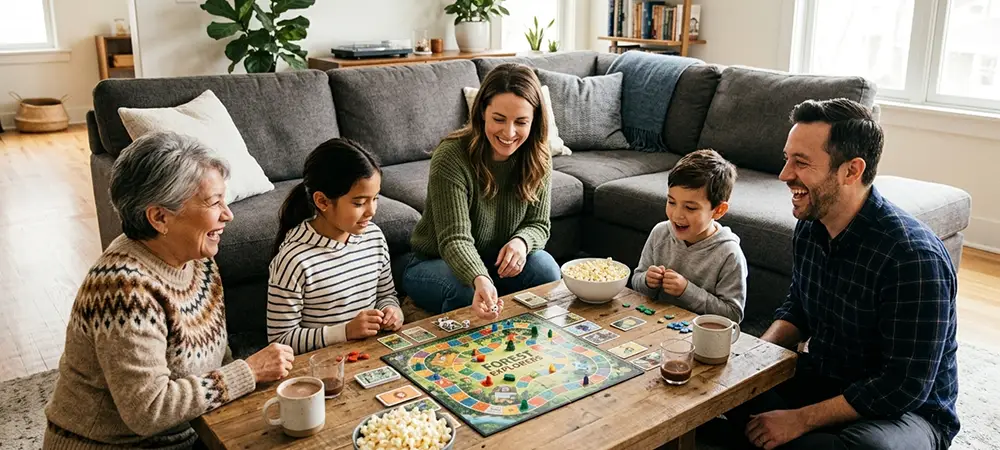
When you're working out how to design a family room layout, start with one clear focal point, the visual anchor the seating faces. That anchor is usually a TV, a fireplace, or both stacked together. Without one, furniture tends to float along the walls with no clear center, and conversation never quite settles anywhere.
Once you've picked the focal point, build a conversation zone in front of it: the main sofa facing the anchor, with chairs angled in from the sides. Keep seats within about 8 to 10 feet of each other so people can talk without raising their voices. For TV viewing, a comfortable distance is roughly 1.5 to 2.5 times the screen's diagonal, or about 8 to 13 feet for a 65-inch TV.
Traffic flow matters just as much as the arrangement itself. Leave clear, unobstructed pathways between seating and doorways, not just enough room to squeeze furniture in:
- Main walkways: 30 to 36 inches wide, so two people can pass without turning sideways.
- Sofa to coffee table: 14 to 18 inches, close enough to reach a drink but wide enough for legs.
- Through-paths: routed around the conversation zone, never straight through it, so nobody walks in front of the TV.
A room's shape and size often decide which configuration works. A long, narrow room may suit a sofa with two chairs facing it, while a squarer room can handle an L-shaped sectional. Sketch your layout on graph paper or tape furniture outlines on the floor before buying rather than guessing after delivery. For more arrangements by room shape, browse our living room layout ideas, or see how to design a living room with large furniture if you're working with oversized pieces.
Seating Comfort and Durability
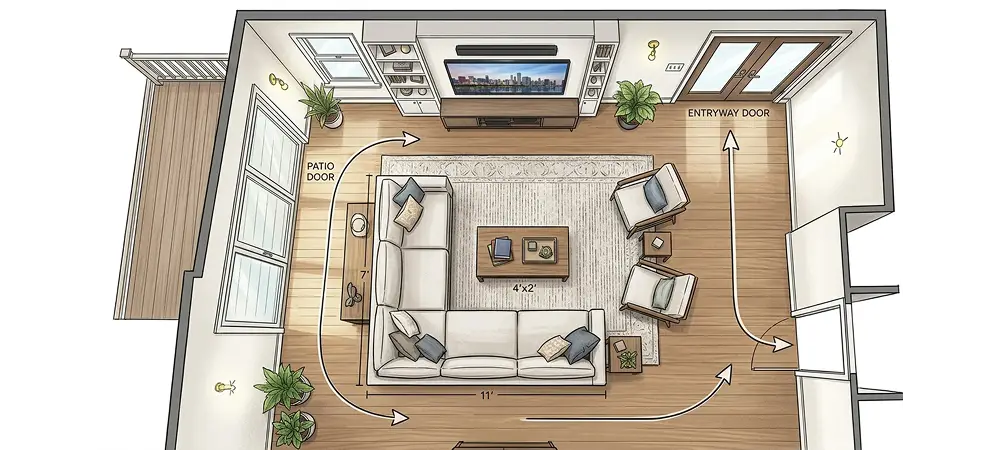
Family room seating has to survive daily use, kids, pets, and the occasional spilled juice box. That's why performance fabric, upholstery woven or treated to resist stains, moisture, and abrasion, and solid construction matter more here than in a formal living room that sees guests a few times a year.
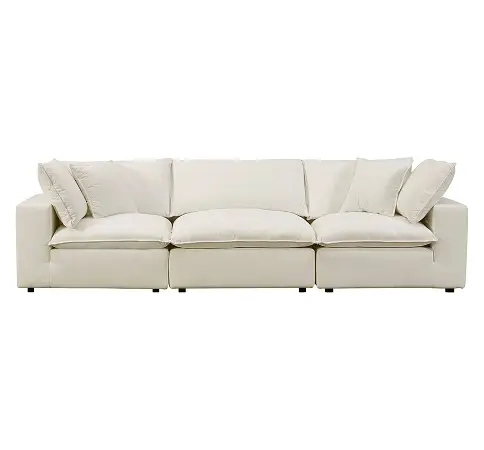
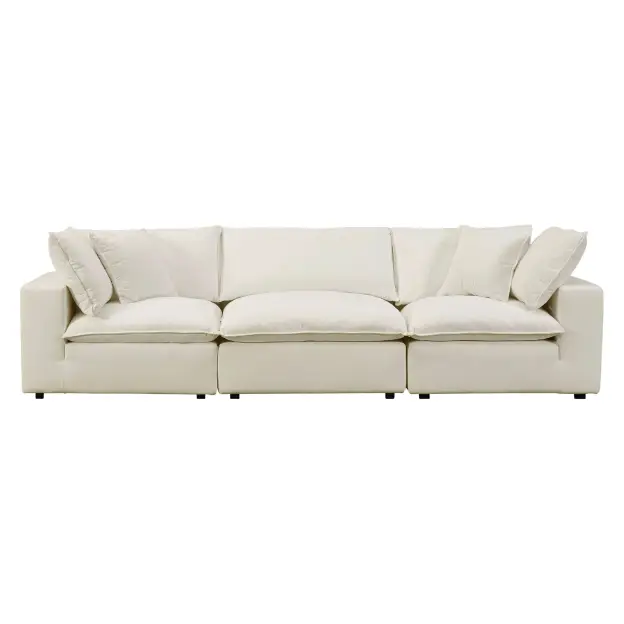
Modular or sectional seating is a strong fit for most family rooms because it flexes across uses without separate furniture for each one. Pull a piece out for game night, push everything together for a movie, or reconfigure after a move. The Cali Natural Performance Fabric Modular Sofa is built for exactly this kind of high-use room. It measures 119.5"W x 40"D and offers a generous 31" seat depth, enough to tuck your legs up or stretch out for a nap, and the collection includes matching corner chairs, armless chairs, and ottomans so you can add pieces later.
Deep, plush cushions feel wonderful in a showroom, but judge them on how they'll hold up after months of daily sitting, not first impressions. Look for cushions that bounce back when you stand up, a seat height around 18 to 20 inches so kids and older family members can get up easily, and fabric you can spot-clean. If you're weighing a sectional as a long-term investment, our guide on how long a couch should last covers what affects lifespan.
Layered Lighting Design
Good family room lighting uses three layers working together instead of relying on one overhead fixture:
- Ambient light is the general room lighting from ceiling fixtures or recessed cans. Put it on a dimmer so the room can shift from homework-bright to movie-dim.
- Task light is focused light for reading, puzzles, or games, usually a table or floor lamp next to a seat.
- Accent light sets mood or highlights something specific, like a picture ledge, a bookcase, or the wall behind the TV.
Natural light belongs in the plan, too. Positioning a reading chair or games table within a few feet of a window cuts your reliance on lamps during the day. Just keep the TV off the wall directly opposite a bright window to avoid glare.
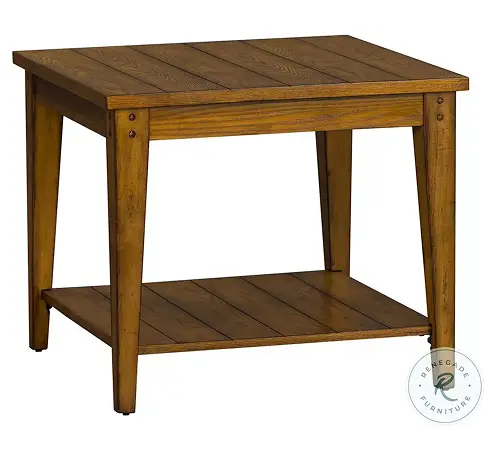
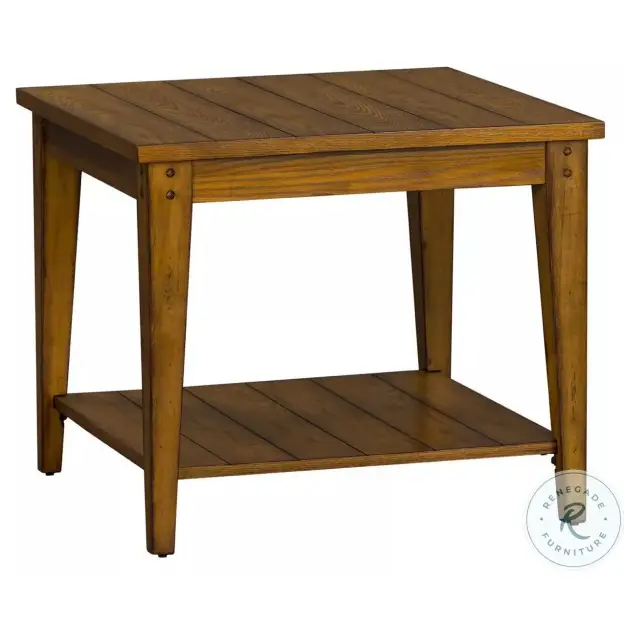
For your favorite seating spot, a table lamp handles close-up tasks that ambient light can't. A lamp table pairs that light with a surface for drinks and remotes. The Lake House Oak Square Lamp Table is crafted of poplar solids and oak veneers, and its 27"W x 27"D planked top leaves plenty of room for a lamp. At 23"H, it sits close to the arm height of most sofas, the sweet spot for a side table, with a bottom shelf for books or a basket.
Smart Storage Solutions
Any plan for how to design a family room needs a home for remotes, controllers, chargers, blankets, toys, and books. Three storage approaches handle most of it.

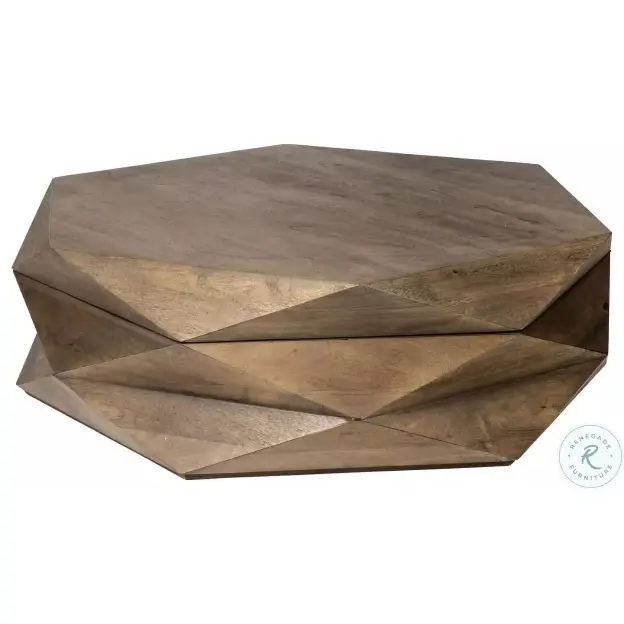
The first is coffee table with hidden storage. The Arreto Medium Brown Hexagonal Hinged Storage Large Coffee Table has a hinged top that lifts to reveal storage underneath, so throws and board games disappear in seconds. Its 48"W x 48"D hexagonal shape has no sharp corners pointing at shins, and at 15"H it sits at a comfortable reach from the sofa.
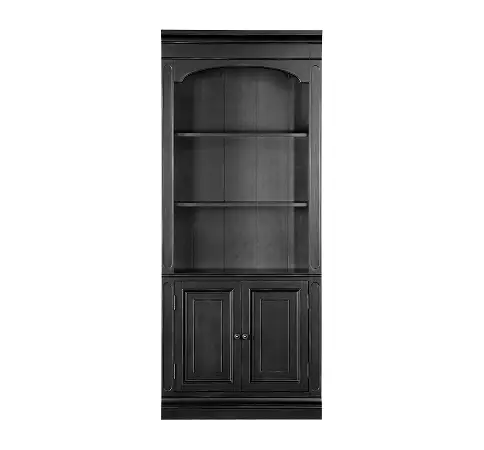
The second is a media console with closed cabinets for cords, routers, and gaming devices; you can browse TV stands sized to your screen. The third is open shelving for books and collections. The Roanoke Black Bookcase handles both jobs in one piece, with adjustable shelves rated for 50 lbs per shelf above a lower cabinet that hides the clutter. It stands 78"H on a 32"W footprint and is just over 15 inches deep, so it won't crowd a walkway.
Closed storage hides everyday clutter, while open storage lets your family display what it actually wants seen, and most well-designed rooms use both. Multi-use pieces like a storage ottoman or a lift-top coffee table add function without adding visual bulk. Browse ottomans for extra seating that also stashes blankets. Since tall bookcases share space with climbing kids, anchor them to the wall.
Color, Texture, and Personalization
A cohesive family room starts with a tight palette. Pick two or three core colors and repeat them across upholstery, pillows, and accents so the room feels pulled together rather than scattered. A simple guide is the 60-30-10 rule: about 60% of the room in a dominant neutral (walls and the sofa), 30% in a secondary color (a chair, curtains, a rug), and 10% in an accent (pillows, art, a vase).
Texture adds depth that color alone can't. Mixing velvet, leather, linen, and woven materials makes even a neutral palette feel layered and warm.
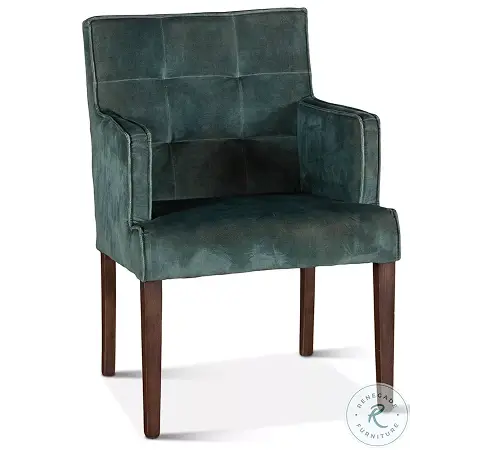
A bold accent chair is one of the easiest ways to let personality in without redesigning the whole space. The Avery Dark Green Velvet Arm Chair wraps a solid hardwood frame in performance velvet, so the rich color doesn't come at the cost of durability. At 23.5"W x 25.5"D, it slips into a corner reading nook or angles in beside the sofa. For more ideas, see our roundup of unique accent chairs.
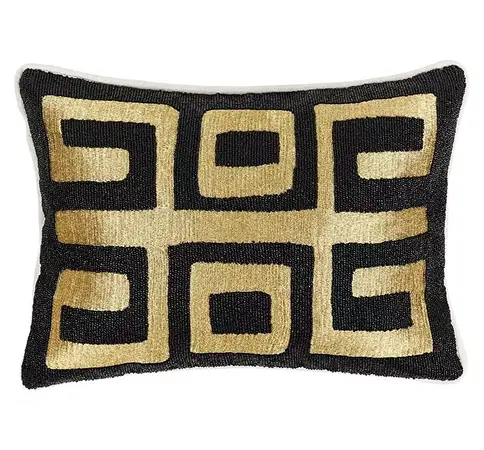
Pillows are the lowest-commitment way to test an accent color. The Radiant Oasis Dala Black and Gold Accent Pillow Set of 2 brings a graphic pattern in a 50% cotton, 50% linen blend, and each 16"W x 12"H lumbar pillow layers neatly in front of larger square ones.
Finally, make it yours. Family photos, kids' artwork in simple matching frames, and travel finds on the bookcase make a family room feel lived-in and personal, not professionally staged. Keep those pieces curated: rotate artwork seasonally rather than adding to the wall indefinitely.
Flooring and Material Choices
Flooring takes more abuse in a family room than almost anywhere else in the house. Hardwood, luxury vinyl plank, and tile are easier to clean than wall-to-wall carpet in a room that sees regular spills, muddy paws, and constant foot traffic. A quick sweep or damp mop handles most messes.
An area rug adds warmth and softness underfoot, and it defines the seating zone on a hard floor. It can also make a large room feel more grounded and intentional. Size it so at least the front legs of the sofa and chairs rest on the rug, and leave 12 to 18 inches of bare floor between the rug's edge and the walls.
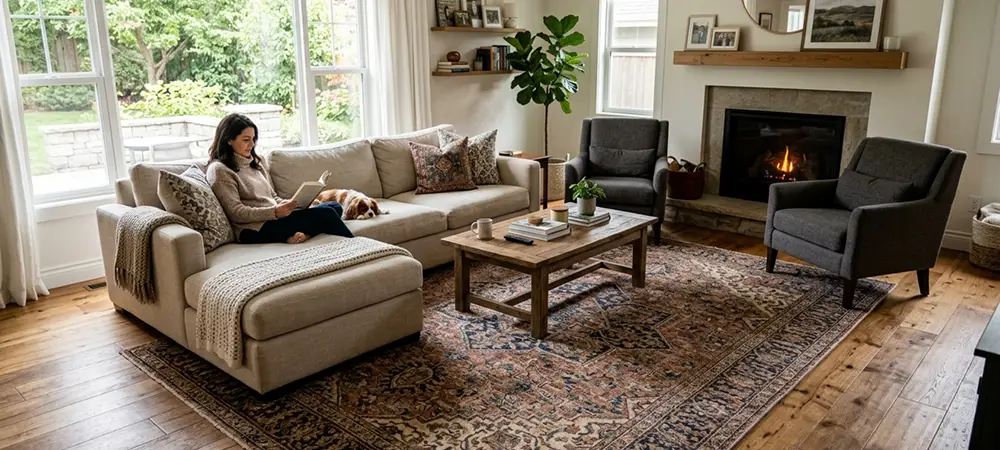
Choose your flooring finish and rug material based on how the room is used every day, not appearance alone. With pets, a matte or textured floor finish hides scratches better than high gloss. With young kids, a low-pile or flatweave rug is easier to vacuum and won't catch small toys. For bare feet and floor play, wool and soft synthetic blends feel better than stiff jute.
Pieces to Build Your Family Room
Each of these covers one of the jobs above, from durable everyday seating to storage that keeps the room clear.
Modular Seating
Cali Natural Performance Fabric Modular 120" Sofa
Performance fabric and a 31-inch seat depth for everyday lounging.
Lamp Table
Lake House Oak Square Lamp Table
A 27-inch planked top for a reading lamp, with a shelf below.
Storage Coffee Table
Arreto Medium Brown Hexagonal Hinged Storage Large Coffee Table
A hinged top hides throws, games, and remotes.
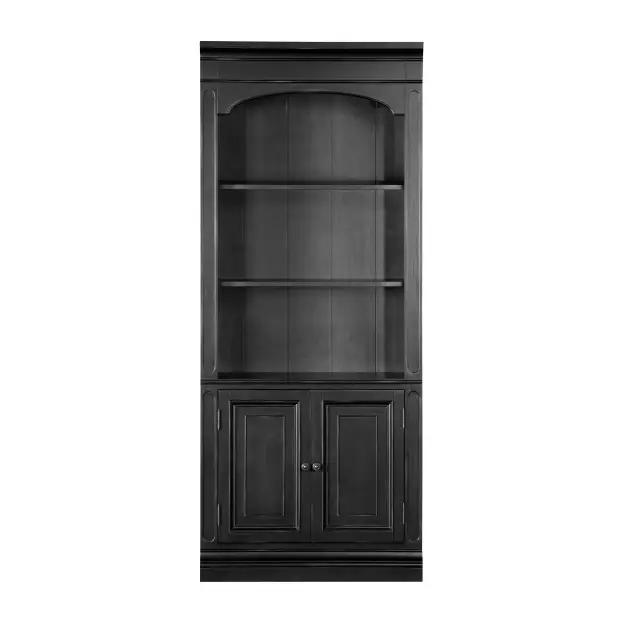
Open + Closed Storage
Roanoke Black Bookcase
Adjustable display shelves over a cabinet, with white glove delivery.
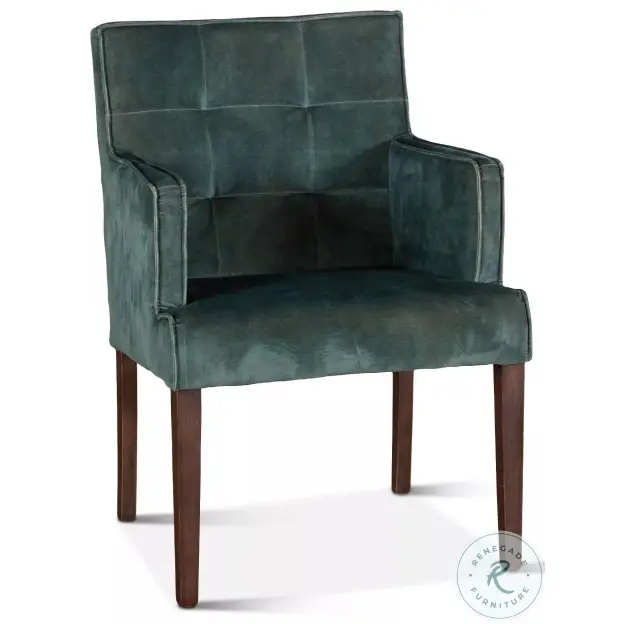
Accent Chair
Avery Dark Green Velvet Arm Chair
Performance velvet on a solid hardwood frame, delivered pre-assembled.
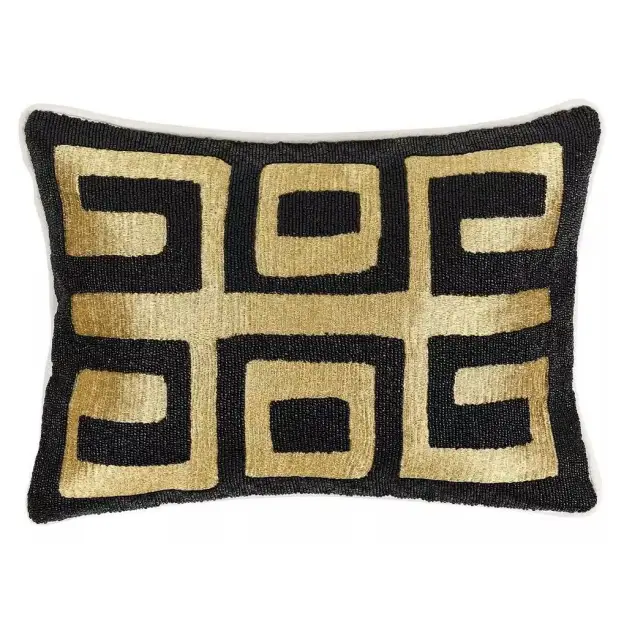
Accent Pillows
Radiant Oasis Dala Black and Gold Accent Pillow Set of 2
A graphic cotton-linen pattern for the 10% accent in your palette.
Creating a Family Room That Works for Everyone
The secret to how to design a family room is starting with how your household really lives. Plan around your top daily activities, anchor the layout to a focal point, choose seating and surfaces that can take a beating, and then layer in the lighting, color, and personal pieces that make the room feel like home.
Coleman Furniture offers sofas, sectionals, tables, and storage from trusted brands, with free shipping on every order and white glove delivery on thousands of items, to help you build a family room everyone actually wants to spend time in.
How to Design a Family Room FAQs
A family room is the casual, daily-use space for TV, games, and hanging out. A living room tends to be more formal and is often reserved for guests or special occasions, so it can prioritize appearance over durability.
Comfortable, durable seating is the anchor piece, often a sectional or modular sofa. Add a coffee table, some form of media storage, and enough seats for everyone who uses the room daily, plus two or three extra for guests.
Layer textures like velvet, linen, and woven baskets, and repeat two or three colors throughout to create warmth. Keep personal items curated rather than accumulated, and use closed storage for everyday clutter so open shelves show only what you want seen.
For most rooms, an L-shaped or U-shaped arrangement facing a single focal point works well. Keep seats within 8 to 10 feet of each other and leave 30 to 36 inches for walkways so traffic moves around the seating area, not through it.