

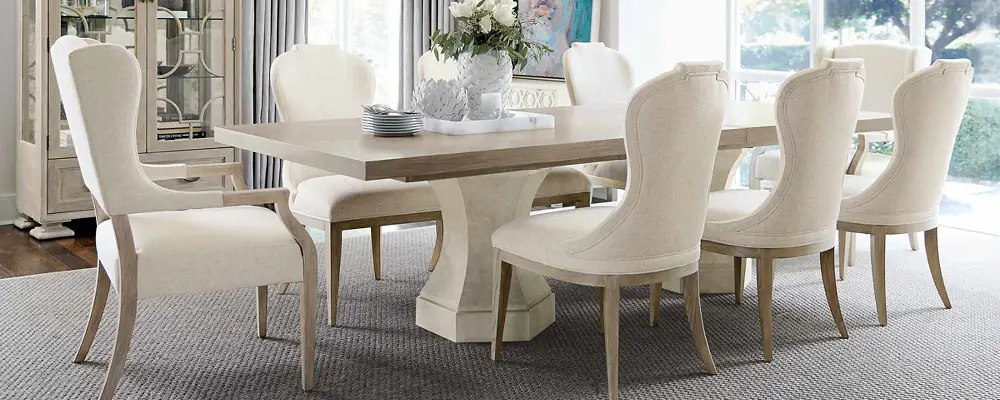
What Are the Most Durable Kitchen Table Designs?
There's a particular kind of frustration that comes from a table that looked perfect in the showroom—then showed scratches within months, started wobbling after a year, or developed a finish that peeled in patches around year two. Durability in a kitchen table isn't just about the material it's made from. It's the combination of material hardness, construction integrity, surface finish protection, and how well the table matches the way your household actually uses it. The most durable kitchen table for your home depends on all four—and understanding each one will help you shop with confidence rather than hope.
Key Takeaways
- Hardwoods and sintered stone top the durability rankings, but construction quality and finish type determine how long any material actually lasts in daily use.
- The joint method and base design are the two most overlooked signals of long-term table quality—and both are visible or verifiable before you buy.
- Matching your table's material and finish to your household's actual use patterns is what separates a five-year table from a twenty-year table.
What Makes a Kitchen Table Truly Durable
Durability in a dining table is a four-part system: material hardness, construction integrity, surface finish protection, and suitability for intended use. Each plays a role, and none functions well in isolation. A beautiful solid oak table finished with a thin wax coat will show wear faster than a well-constructed engineered top sealed with a hard polyurethane finish. Similarly, the most scratch-resistant tabletop in the world will still wobble at the base if the joints are stapled rather than mortise-and-tenon.
Think of it as a chain: if any link is weak, the table underperforms regardless of how strong the others are. The sections below walk through each factor so you know exactly what you're evaluating before you make a decision—not after your table arrives.
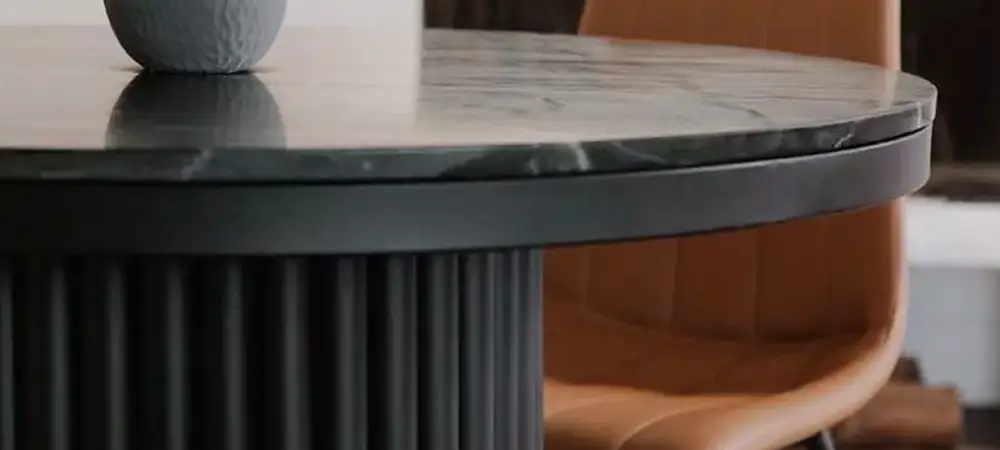
The Most Durable Kitchen Table Materials, Ranked
Not all table surfaces are created equal. When evaluating what are the most durable kitchen table designs, material choice is the first filter—but the goal is to understand the trade-offs, not to find a perfect option. Every material has a use case where it excels.
| Material | Scratch Resistance | Heat Resistance | Dent Resistance | Refinishable |
|---|---|---|---|---|
| Sintered Stone / Concrete | Excellent | Excellent | Excellent | No |
| Solid Hardwood (Oak, Maple, Walnut) | Good | Moderate | Moderate | Yes |
| Metal-Frame / Metal Top | Good | Good | Good | Limited |
| Hardwood Veneer | Fair | Moderate | Fair | Limited |
| Laminate / Melamine | Fair | Fair | Low | No |
| Raw / Marble | Fair | Good | Excellent | No |
Sintered stone and concrete sit at the top of the durability rankings for one reason: they resist practically everything. Sintered stone—compressed and fired at high heat—is non-porous, scratch-resistant, and handles hot dishes without trivets. The trade-off is unforgiving: if it chips, it cannot be repaired. For households that want long-term low maintenance and don't mind taking care around hard impacts, it's hard to beat.
-
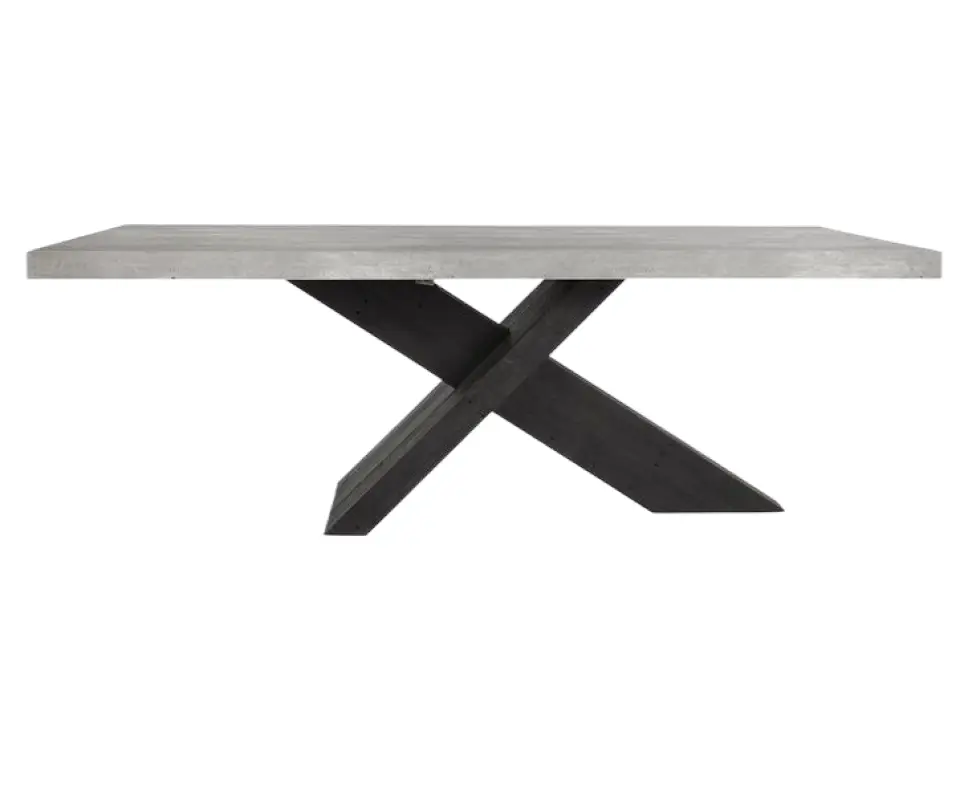
An 84" rectangular concrete top with a weathered cement finish—an example of sintered stone durability at family scale. Non-porous and heat-resistant, with striking industrial character that ages beautifully.
Solid hardwood—oak, maple, and walnut being the most common—offers the unique advantage of refinishability. A solid oak table that has collected 15 years of dings and scratches can be sanded down and refinished to look nearly new. It dents more readily than stone but recovers from most surface damage in a way stone never can. Oak has a Janka hardness rating around 1,290 lbf; maple runs harder at approximately 1,450 lbf—making both practical choices for a durable dining table in daily use.
Hardwood veneer offers the visual warmth of solid wood over an engineered core, but with an important caveat: the veneer layer is typically 1/8 to 1/4 inch thick, which limits how many times it can be refinished—usually once or twice before the substrate shows. For occasional-use dining rooms or households without young children, it's a smart compromise; for high-traffic kitchens, it's a shorter-term investment.
Laminate and melamine are the most budget-conscious options and can withstand light everyday use. They are not refinishable, and once the surface layer chips or lifts, the damage is permanent. They make sense for low-traffic settings where replacement is expected within 5 to 8 years, but they aren't built for long-haul family kitchens.
Raw marble is a trade-off worth naming clearly: it's heavy, cool to the touch, and visually striking, but it is more porous and scratch-prone than sintered stone. Marble benefits from sealing every 1 to 2 years to reduce staining risk. That's not a reason to avoid it—it's a reason to understand what you're committing to before you buy.
-
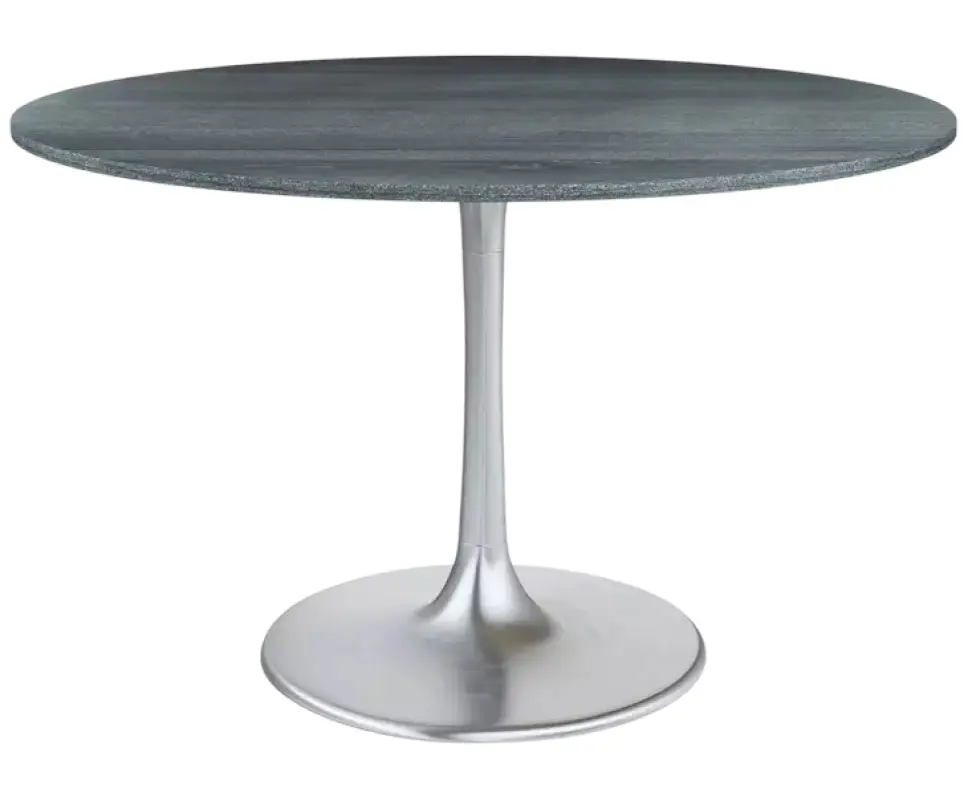
Raw marble top on a steel frame—visually bold and structurally sound, but marble requires periodic sealing. A compelling choice for style-focused households willing to invest in upkeep.
Thinking about the best shape for your kitchen table? The material you choose can influence your options—heavier stone tops typically work best in rectangular or square configurations where weight distributes evenly across all legs.
Solid Wood vs. Veneer vs. Engineered Wood
Solid wood is a single material throughout the full thickness of the tabletop—typically 1 to 1.5 inches—which means it can be sanded and refinished multiple times over its lifetime. It responds to humidity and temperature shifts, which can cause minor expansion or contraction over time, but it's the most forgiving surface in terms of long-term restoration. For households that prioritize longevity above all else, solid hardwood is the investment worth making.
Veneer is a thin layer of real wood—usually 1/8 inch or less—bonded over an engineered wood core. It offers the warmth and grain pattern of solid wood at a lower price point, but refinishing options are limited. In low-traffic dining rooms used mainly for weekend meals, veneer can perform well for 10 to 15 years. In a kitchen used three times a day with children, expect a shorter lifespan without very careful maintenance.
MDF and engineered wood cores provide dimensional stability—they're less prone to warping than solid wood—but the surface cannot be refinished once damaged. They're most appropriate in casual settings or when budget is the primary constraint. When comparing options, look for the weight listed in product specs: heavier tables generally indicate more material and more solid construction.
-
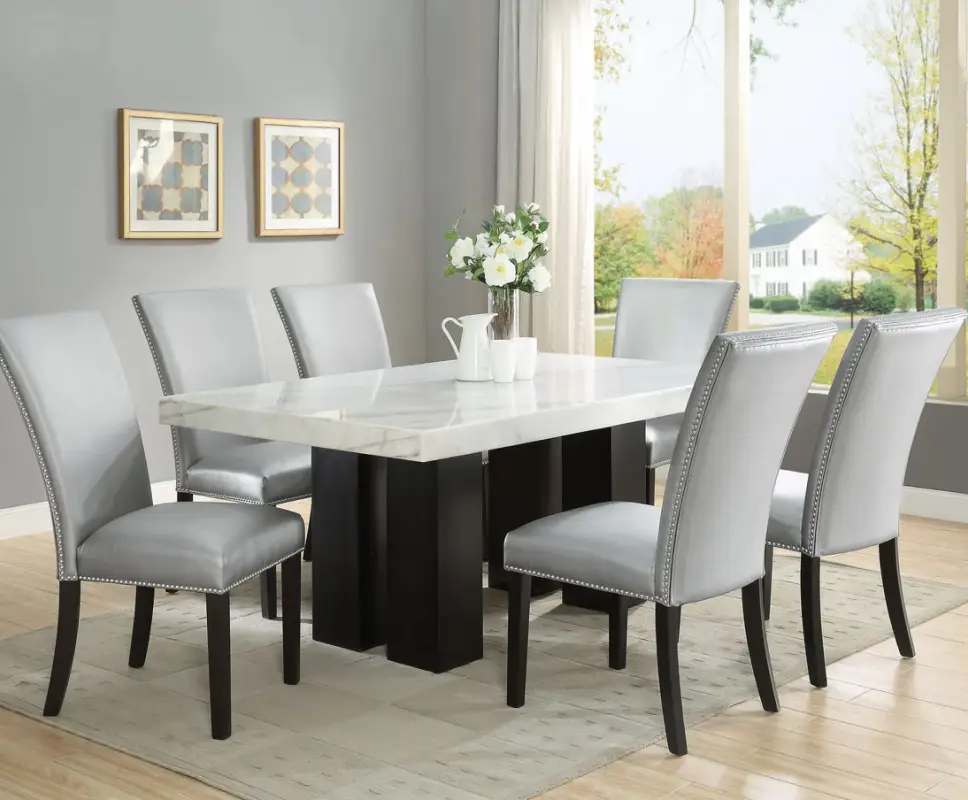
A solid hardwood construction in a warm espresso finish—a practical example of refinishable durability for families who want a table that can grow with them without needing replacement.
Construction Quality: What to Look For When You Buy
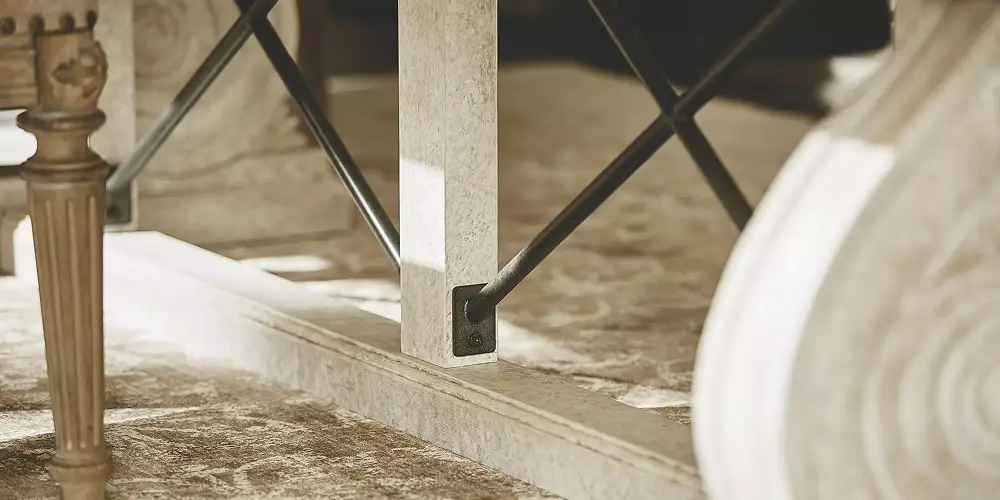
Material is what shoppers see. Construction is what they feel—usually only after a few years of use when a table starts to wobble, or after a decade of stability when they realize they made a great call. The good news is that construction quality is legible before you buy, if you know what to look for.
What to look out for when evaluating dining table quality:
- Joint type — This is the most reliable quality signal. Mortise-and-tenon and dovetail joints indicate higher-grade craftsmanship since they interlock mechanically and glue for a connection that strengthens over time. Dowel construction is acceptable for mid-range tables but offers less resistance to lateral stress. Staple construction, where joints are held with metal staples rather than machined joinery, is the weakest method and usually shows up in the lowest-cost products.
- Weight — This is a useful proxy for build quality. A solid hardwood table with substantial joinery weighs significantly more than a hollow-core or veneer equivalent. Check the listed weight in the product specs when shopping online. A well-built rectangular dining table for six typically weighs 80–130 pounds depending on material.
- The wobble test (on delivery) — Press firmly on one corner of a newly delivered table while stabilizing the opposite corner. A well-built table should absorb the pressure with no flex or movement at the base.
- Price isn't a reliable indicator on its own — Two identically priced tables can have very different construction quality depending on the manufacturer and how they've allocated cost.
- Customer reviews — Search reviews specifically for mentions of wobble, instability after assembly, or loose joints. This gives you real-world data that product descriptions typically can't provide.
Table Base and Leg Design: Stability Factors
The base of a kitchen table is its foundation—and different base designs suit different households. There are three dominant styles, each with meaningful durability trade-offs.
Base Style at a Glance
- Four-Leg: Most stable, easiest to repair or replace an individual leg. Best for families with regular, heavy use. Distributes weight evenly and offers maximum floor contact.
- Pedestal: Elegant and space-efficient with open legroom all around, but can flex under lateral pressure. Better suited to smaller households or occasional-use dining rooms.
- Trestle: Very stable along the length of the table—ideal for long rectangular tables—but limits seating flexibility at the ends. A strong choice for large family gatherings.
Beyond style, base material matters enormously. Solid wood or cast iron bases outlast hollow metal or MDF bases under daily stress. Hollow metal bases can dent and bend at stress points; MDF bases can absorb moisture over time and lose structural integrity. When you see a table with a substantial-feeling base described in solid wood or cast iron, that's a durability signal as meaningful as the tabletop material itself.
-
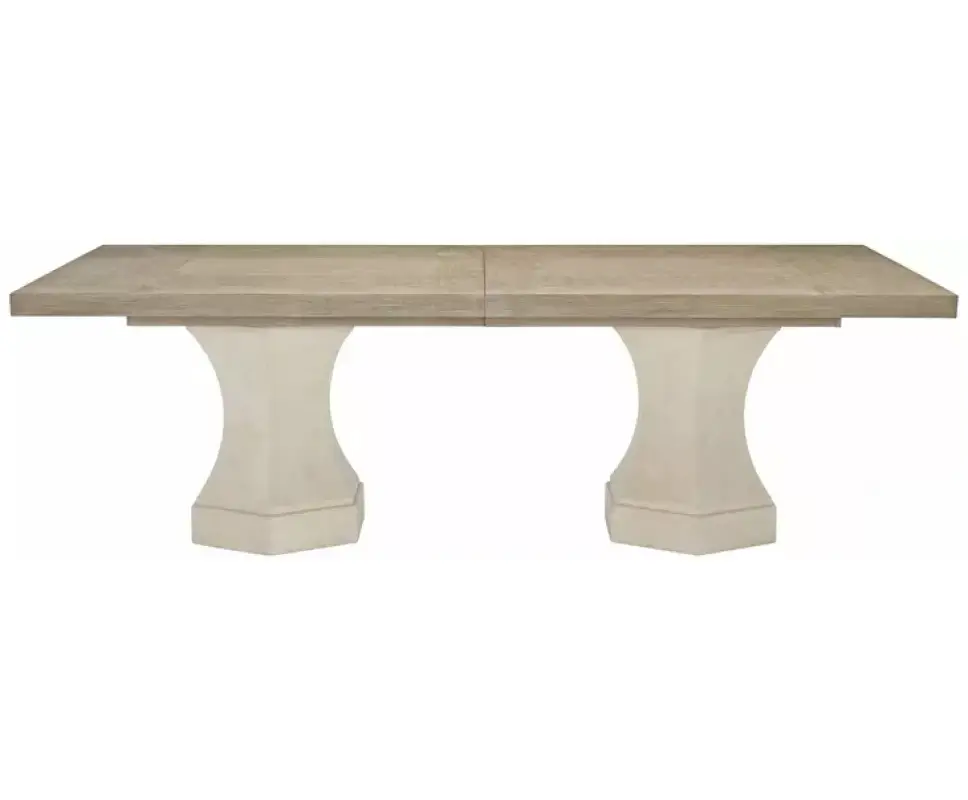
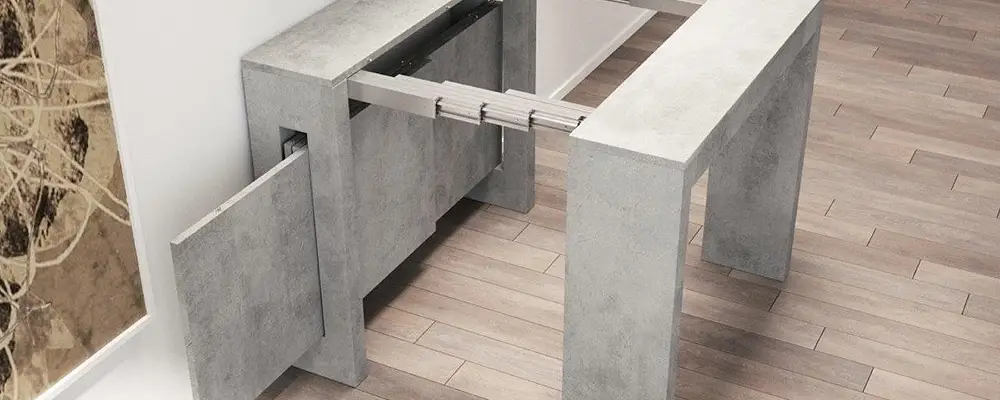
A four-leg stone-top table with extendable sizing—a practical durability choice for growing families who want to scale without replacing. Pairs stone's surface resilience with a stable base design.
-
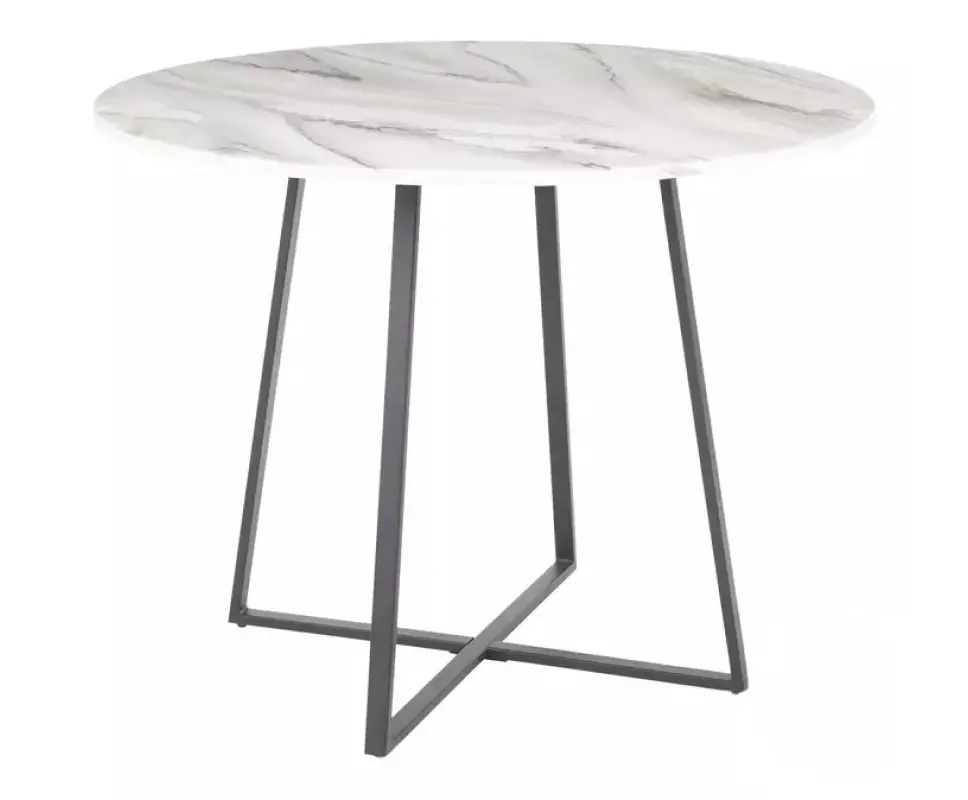
A geometric metal pedestal base paired with a marble top—a sophisticated option for smaller households or statement dining rooms where style is as important as structure.
Protective Finishes and What They Mean for Daily Care
The finish on a kitchen table is the layer between the material and your household—and understanding what finish type you're buying tells you as much about care requirements as it does about durability. Here are the three finishes you'll encounter most often.
Polyurethane
Best for: High-traffic households
Hard, water-resistant, and low-maintenance—the most durable finish for everyday use. Difficult to spot-repair; when it wears, the whole surface typically needs refinishing. Maintenance signal: wipe clean with a damp cloth. Done.
Oil Finish
Best for: Refinishing flexibility
Penetrating finish that soaks into the wood rather than sitting on top. Easy to spot-repair—a scuffed area can be re-oiled without affecting the whole table. Requires resealing every 1 to 2 years. A great choice for buyers who want hands-on maintenance control.
Lacquer
Best for: Aesthetic focus
Smooth, high-gloss appearance, but more brittle than polyurethane and can yellow over time with UV exposure. Avoid harsh cleaners—use only gentle, pH-neutral products. Best suited for dining rooms rather than busy everyday kitchens.
Unfinished or lightly finished solid wood gives you the most long-term refinishing flexibility—you can choose your own finish type when the original wears. The trade-off is more frequent upkeep from the start. Whichever finish you choose, the goal is the same: know what you're committing to so the care routine feels manageable rather than like a surprise.
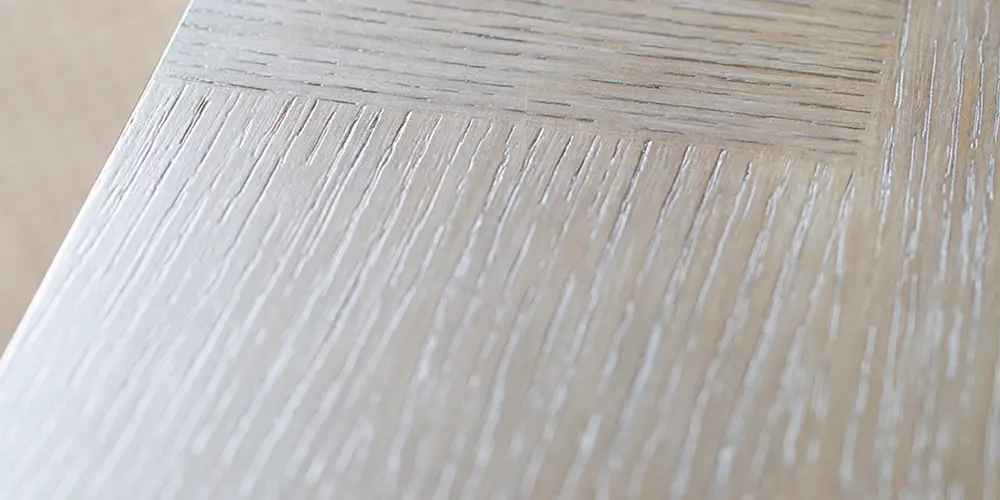
How to Care for a Durable Kitchen Table
Even the best material degrades without appropriate care. Maintenance doesn't extend the life of a poorly built table, but it absolutely extends the life of a well-built one—often by years. The three categories of care that matter most are daily cleaning, periodic resealing, and refinishing.
Daily cleaning: For most surfaces, warm water and mild dish soap is the safest routine. On oil-finished wood, avoid harsh chemical cleaners—they strip the oil and accelerate wear. On lacquered surfaces, skip abrasive pads and anything acidic. Wipe spills immediately; moisture sitting on any surface, including stone, will work against it over time.
Periodic resealing or oiling: Oil-finished tables benefit from a full resealing every 1 to 2 years. Polyurethane-finished tables don't require resealing, but inspect annually for chips or worn spots—a small chip left unaddressed can allow moisture into the wood underneath.
Refinishing: Solid hardwood and hardwood veneer can be sanded and refinished; laminate and sintered stone cannot. Set your expectations clearly when you purchase. A solid wood table refinished at year 10 is a fundamentally different long-term investment than a table that needs full replacement at year 8 because the surface can't be restored.
What to Avoid to Prevent Premature Wear
- Heat without trivets — hot pans or dishes placed directly on wood or veneer surfaces cause irreversible finish damage within seconds.
- Moisture pooling — standing water, especially around seams or bases, accelerates warping and joint deterioration on wood tables.
- Harsh cleaning products — bleach, ammonia-based cleaners, and abrasive scrubs damage finishes across all material types.
- Direct sunlight over time — prolonged UV exposure fades and dries wood finishes; lacquer is especially vulnerable to yellowing.
- Dragging objects across the surface — ceramics, rough-bottomed decor, or ungapped placemats dragged across the table create micro-scratches that accumulate into visible wear over time.
How to Match Durability to Your Lifestyle
The most durable kitchen table is not an abstract category—it's the table that matches how your household actually uses it. A family of five with toddlers needs entirely different durability signals than a couple who dines out four nights a week.
High-Use Family Household
Hardwood or sintered stone top. Polyurethane or hard-wax oil finish. Four-leg or trestle base. Prioritize refinishability or surface resilience depending on material. Weight and joint quality should be primary checklist items.
Occasional Dining / Low Traffic
Veneer or solid wood with oil finish is workable. Pedestal base is acceptable. Surface wear will be minimal with infrequent use, so the aesthetic trade-offs of these options don't become practical problems.
Multi-Purpose Table (Work, Crafts, Meals)
Sintered stone or hardwood with polyurethane—the most forgiving combination for varied daily use. These surfaces handle laptops, craft supplies, and dinner plates without requiring different care routines for each activity.
An extendable table adds one more dimension of durability flexibility: it grows with your household without requiring a full replacement. If you're planning for the next 10 to 15 years rather than the next 3, sizing up or choosing an extendable design now often costs less than two shorter-term replacements later. Explore compact kitchen table options if you're working with limited square footage, or consider how matching dining chairs to your table affects the overall longevity of the set.
Shop Durable Kitchen Tables at Coleman Furniture
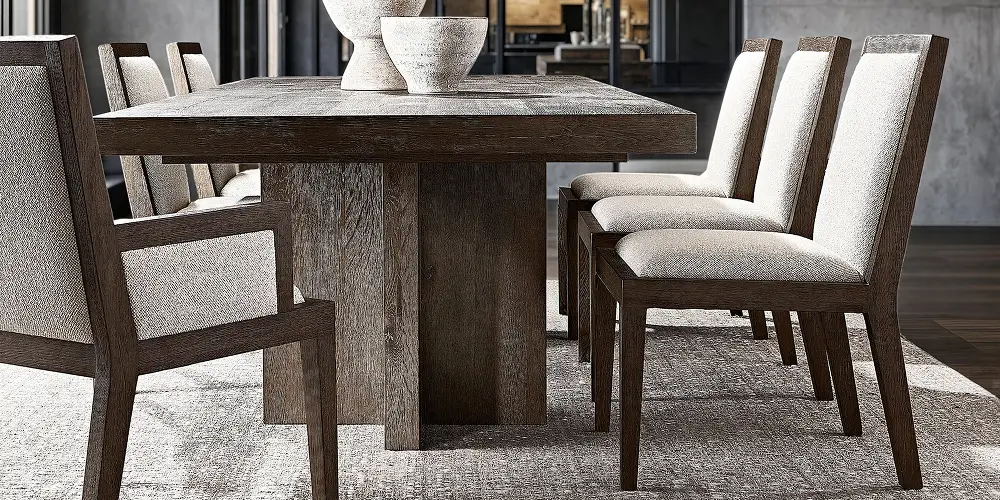
Coleman carries kitchen tables across the full range of material types covered in this guide—from solid hardwood dining sets to sintered stone and concrete tops, with a range of base styles designed for everything from everyday family use to statement dining rooms. Every order ships with free delivery, and thousands of tables include white glove delivery service, meaning your table arrives set up and ready—not in a flat box on your doorstep.
The Bottom Line
Durability in a kitchen table comes down to four things working together: the right material for your use patterns, construction quality you can evaluate before you buy, a finish that matches your maintenance preferences, and a base design that matches your household size and seating needs. Get all four right and you're choosing a table for the next two decades—not the next two years. Get one wrong and you'll feel it within the first few.
The tables built to last are often the ones designed with both longevity and livability in mind—because a table that looks beautiful and holds up is a better investment than one that sacrifices either for the other.
Find Your Durable Kitchen Table
Browse Coleman's full collection of solid wood, stone-top, and hardwood dining tables—with free delivery on every order.
Shop Kitchen TablesFrequently Asked Questions
Sintered stone and concrete tops are the most scratch-resistant options available. They're non-porous, extremely hard, and handle daily use without showing surface wear. Solid hardwoods like maple (Janka 1,450 lbf) also resist scratching well, though they can dent under heavy impact.
It depends on your priorities. For maximum durability and low maintenance, sintered stone is hard to beat. For warmth, refinishability, and long-term value, solid hardwood (oak, maple, or walnut) is the best all-around choice. For budget-conscious buyers in low-traffic settings, laminate offers decent short-term performance.
Look for mortise-and-tenon or dovetail joints (listed in product descriptions), check the shipping weight (heavier usually means more solid material), and read customer reviews for mentions of wobble or instability. On delivery, press firmly on one corner — a well-built table won't flex or shift.
Sintered stone requires the least ongoing care — just wipe with a damp cloth. Polyurethane-finished hardwood is a close second, needing only basic cleaning with no periodic resealing. Oil-finished wood and raw marble both require more active maintenance (resealing every 1–2 years).
Both are excellent choices but serve different needs. Sintered stone is more resistant to heat, scratches, and stains out of the box — ideal for families who want zero maintenance. Solid hardwood is refinishable, meaning it can be restored after years of heavy use — better for families who want a table that lasts decades with periodic care.